

24. The Cost of Consuming Animals and Why We Should Change Our Ways
Most humans don’t live near farms or slaughterhouses – nor do they live near wild habitats where animals thrive. We are far-removed from animals, unless we decide we want a pet. Then that pet lives with us and doesn’t really interact with other animals most of its life. This is the way humans want it. As far as the animals raised for food go, we don’t want to know anything about them, and we would like them to live as far away from us as is possible. We don’t want to be bothered by the smell or the concentration of animals and their excrement. We don’t want to know about how they are treated. And most of all we don’t want to think about how a factory-farmed animal lives its life from the moment it is born to the moment it is killed. But it is imperative that we learn. It is our responsibility to protect the most vulnerable among us. One can only live behind a curtain for so long, before the effects of our choices begin to penetrate the barriers between industry and tranquil private life most of us enjoy.
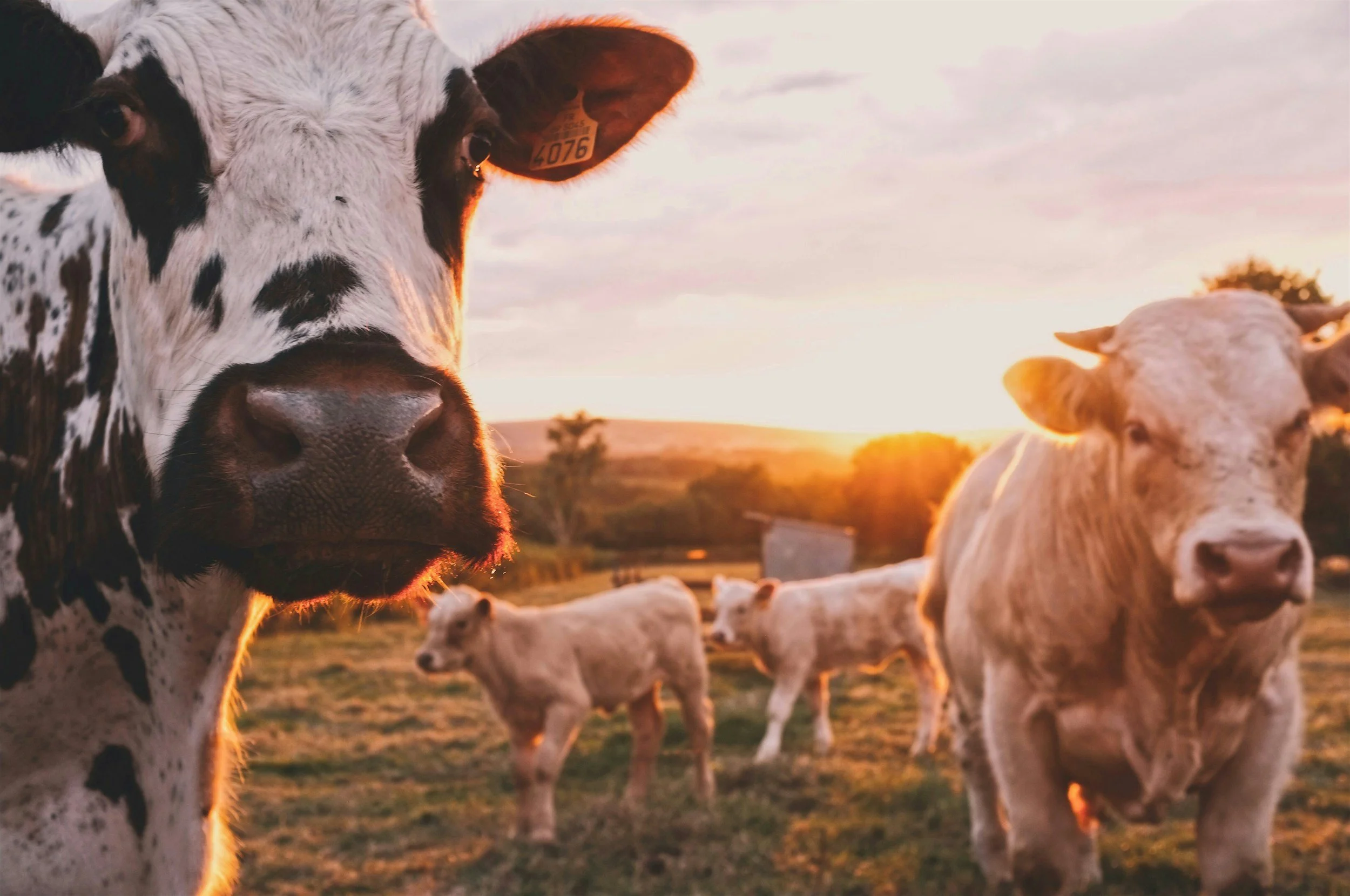
All animals, wild, farmed and domesticated deserve so much better.
What is behind that curtain, and what is the industry hiding from us? More specifically, what exactly is the cost of consuming animals? We all know about how much to expect to pay at the grocery store for steak, ground beef, chicken wings, a gallon of milk, or a dozen eggs, etc. A simple transaction of meat for cash is all that really matters to us. But these costs are not the entire tally of expenses that humans pay. We pay with the toxic and deadly chemicals that are used in our fields to create massive yields of grains – killing essential pollinating insects, and beneficial worms and insects in the soil. We pay when we concentrate animals so close together that they cannot escape their own feces and urine. We pay when both of these forms of contamination reach our well water. We pay when we need to chop down carbon absorbing trees to make more space for agriculture to feed the animals that we later consume. We pay when the earth’s temperature rises in reaction to more greenhouse gases released into the atmosphere – fewer carbon absorbing trees equate to more carbon in the atmosphere. We pay when the temperature rise on earth causes the climate to change for the worse in the form of more droughts, heat waves and floods. We pay when we decide that the side effects of suffering by so many animals living in this hellscape we call agriculture, doesn’t matter to us. We suffer when we don’t demand that they be treated well or respected in any reasonable way. If you don’t know anything about factory farming, then the movie Dominion can show you.
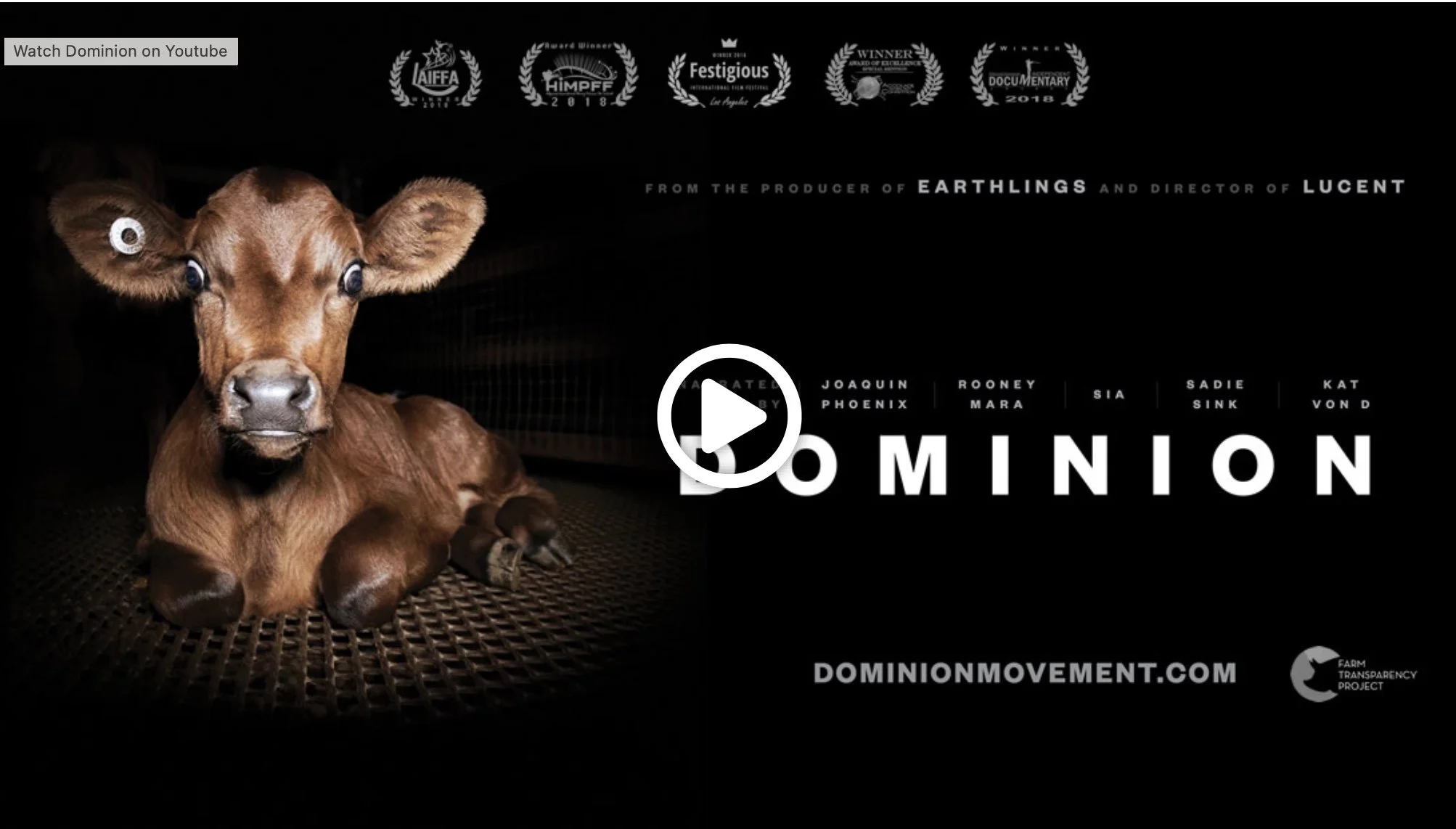
So many people have gone vegan after watching this heartbreaking movie - maybe you will too.
The Movie Dominion
https://www.dominionmovement.com/watch
The True Price Tag of Meat
https://thehumaneleague.org/article/the-true-price-tag-of-meat
Report reveals how factory farming puts public health and planet’s future at risk
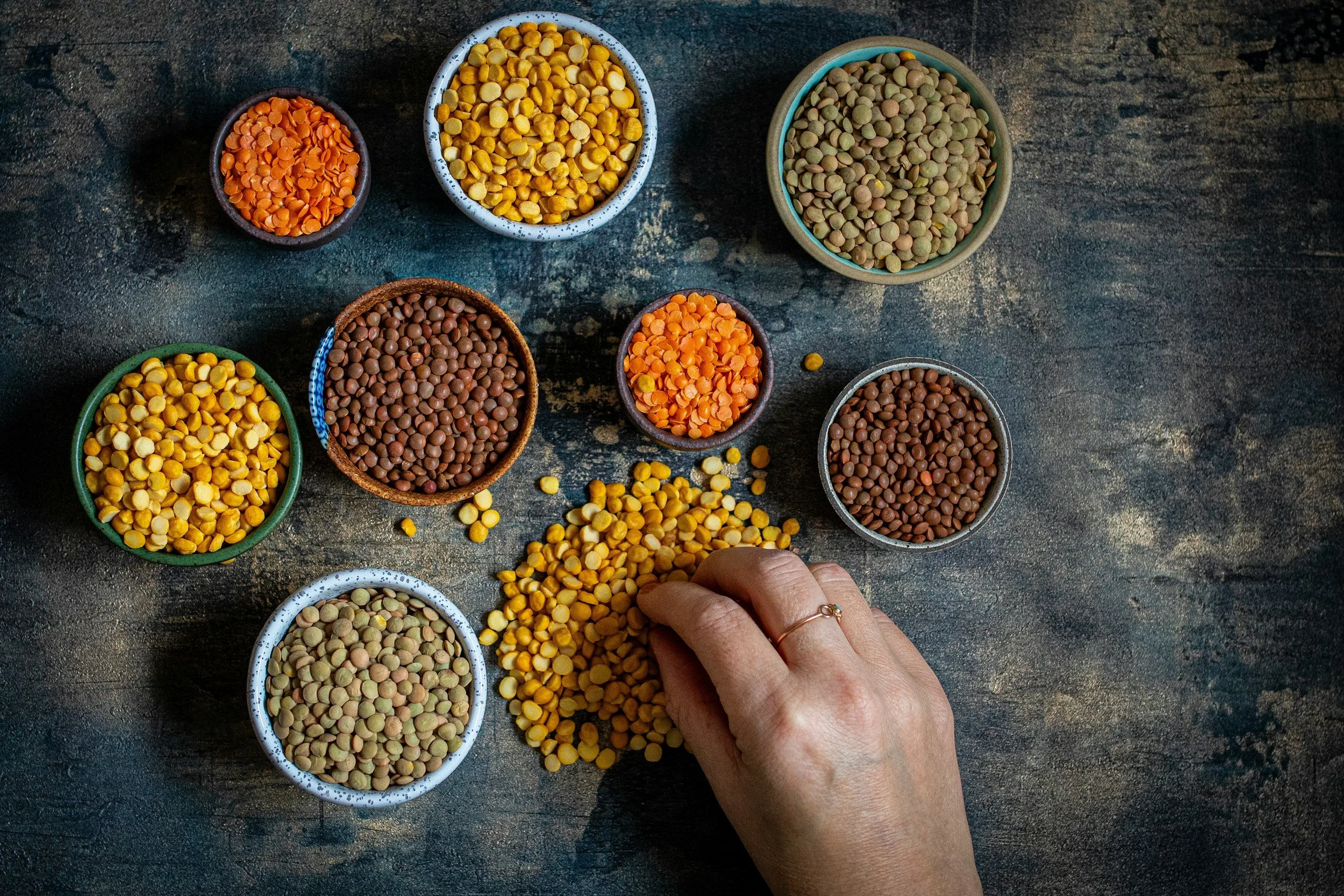
Lentils are high in protein and high in fiber. Foods like legumes can be a healthy part of a plant-based diet.
The only excuse we have for the inexcusable is that WE NEED MEAT! But do we really? And do we need it in the quantities that we consume today? No, we do not. We do need protein, iron, calcium and vitamin B12 to live a healthy life, but fortunately we can find these nutrients in other foods, without killing animals. Needing nutrients that happen to come from meat, doesn’t mean meat is the only source and it doesn’t mean that if you decided that you may never eat meat or cheese again, that you would become deficient and die. There has never been a better time to ditch dairy and meat. We have been told by so many people who have a platform and can announce to millions of people what they believe to be true that meat and animal products of all kinds is what we need to concentrate on, but this couldn’t be further from the truth. Why is it false? It is false because this is not what the science shows. The science tells us if we consume too much animal-derived, high protein foods that our health can oftentimes falter. What can happen if we consume a meat heavy diet? Eating this way is a risk factor for many diseases including, but not limited to autoimmune disorders, heart disease and cancer. Gout is a painful condition that develops when there is too much uric acid in our system. What increases uric acid? Meat consumption does. Too much animal-derived high protein foods can place a burden on the kidneys causing them to overwork and to become diseased. In combination with other high inflammatory foods, like sugar and high-fat processed foods, meat and dairy can increase inflammation in most people. Inflammation is the starting point for so many degenerative diseases including – Alzheimer’s Disease, heart disease, diabetes, autoimmune disorders, lung disorders and so many others reaching almost every organ in the human body.
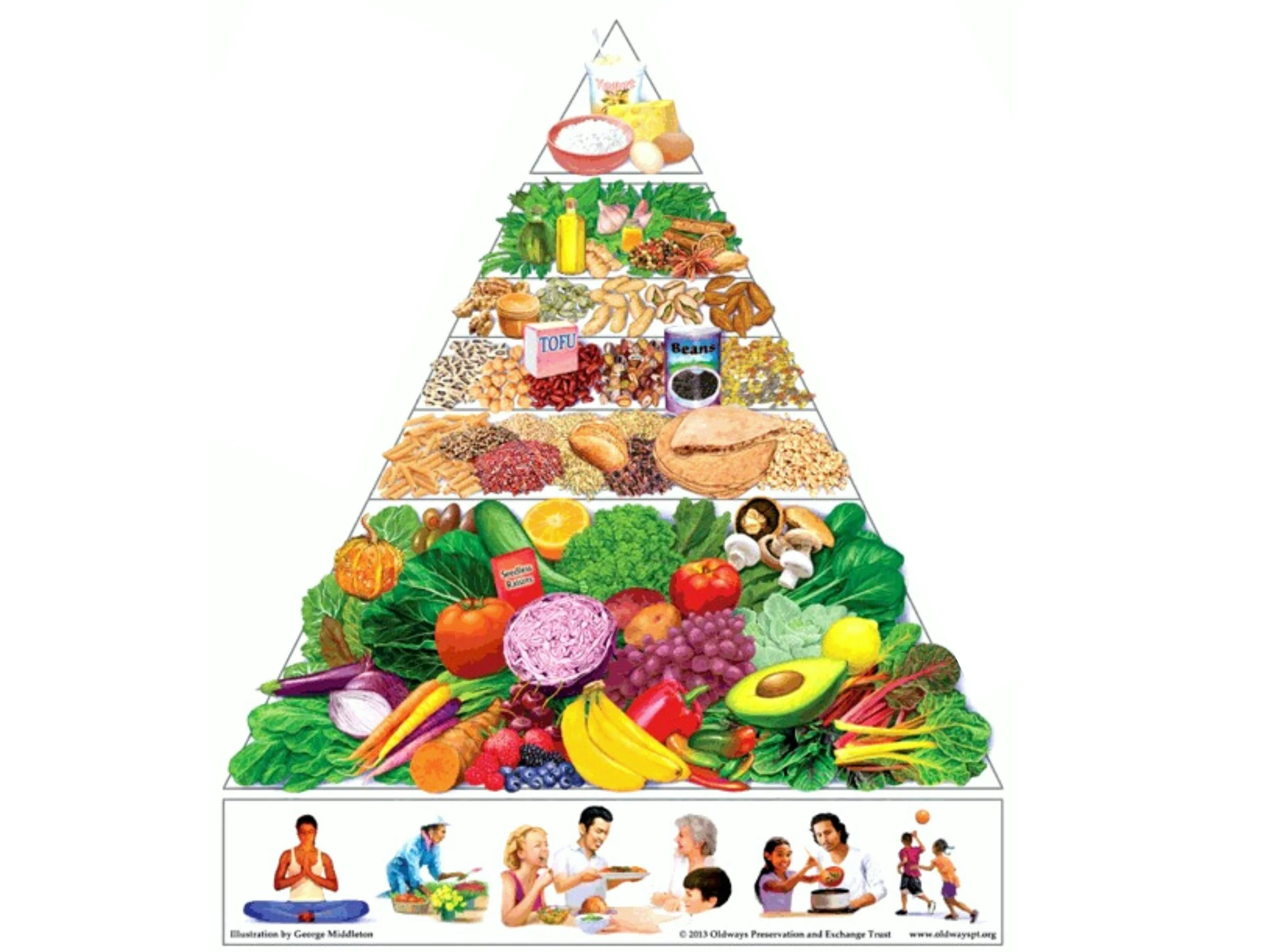
Eating mostly plants reduces the risk for developing degenerative diseases by reducing inflammation.
How does Plant-Forward (Plant-Based) Eating Benefit Your Health?
Do plant-based foods cause inflammation? Some do, especially if you are allergic to them. But most of the time plant-based foods prevent inflammation. So, if plants prevent inflammation and many meats increase inflammation, then why is the government not pushing for us to eat more fruits and vegetables, seeds and nuts and whole grains? There are lots of possible reasons – they may be skeptical of the science, they may think farmers need more customers to balance the agricultural economy, they may think we would all croak if we didn’t consume food resourced from flesh. It is possible the simplest reason that our government doesn’t do more to curb our appetites is because they like the taste, too, and want to be sure they do not interfere in the system. But we all must recognize that millions of people walking this earth are not able to consume dairy – it is estimated that this number is 66% of the human population. As for meat, Alpha-gal syndrome from the bite of a lone-star tick is causing a highly reactive meat allergy. This tick population is mostly concentrated in the southeast United States, but it is picking up steam and moving north and west. Now is a great time to refrain from labeling the act of consuming only plant-based foods, as an awful thing to do. Millions of people have gone without foods derived from animals and are healthier for it. I have been a vegan for 17 years and nothing bad has ever happened to me. My blood work is normal, and I have no nutrient deficiencies. We cannot allow ourselves to believe the naysayers and also believe those that are living healthy lives without meat and dairy – both cannot be true.
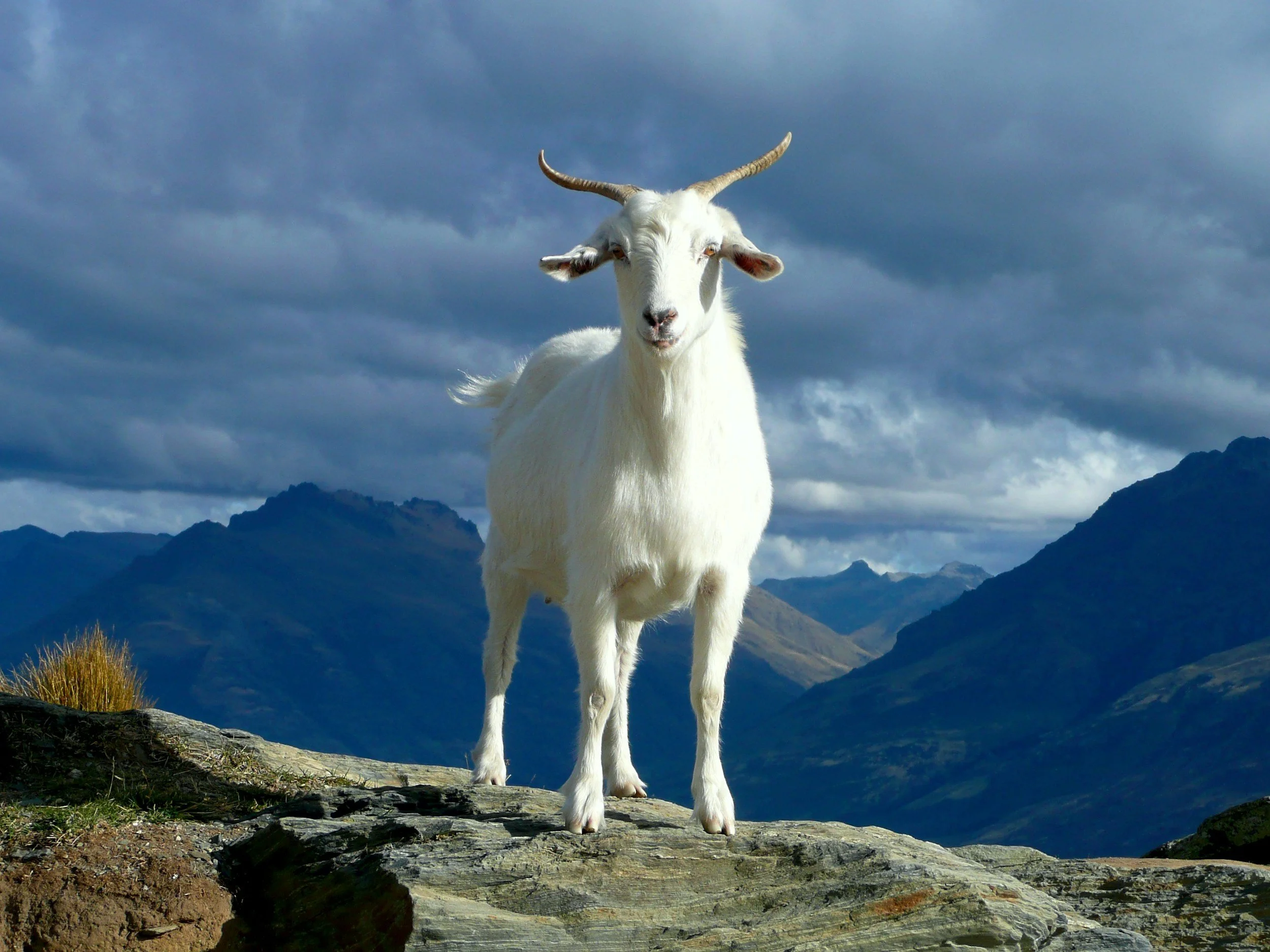
For the sake of all species of animals on earth, all of us should be trying to reduce our carbon footprint by reducing our animal consumption. Populations of all wild animals have been going down steadily for quite some time. Reducing our dependence on meat and dairy can help to turn things around.
Want to try veganism? Here’s how to get started
https://www.health.harvard.edu/blog/want-to-try-veganism-heres-how-to-get-started-202205192745
Nobody wants to be left out in the cold, nor be forced to do something that they don’t want to do, or do something that is not socially acceptable. Being made fun of or being rejected for your plant-based food choices is ridiculous and isn’t helpful. Consuming animals has been part of our culture and our diet for so long that most people find it outrageous to even think about removing animal-derived foods from our meals. But millions of vegans existing today allow us a glimpse into the world of veganism. And we can now say with confidence that a healthy vegan lifestyle by removing all animal products from our plates and our lives, can not only be done, but when done correctly it can be better.
Going Vegan 101: A Beginner’s Guide
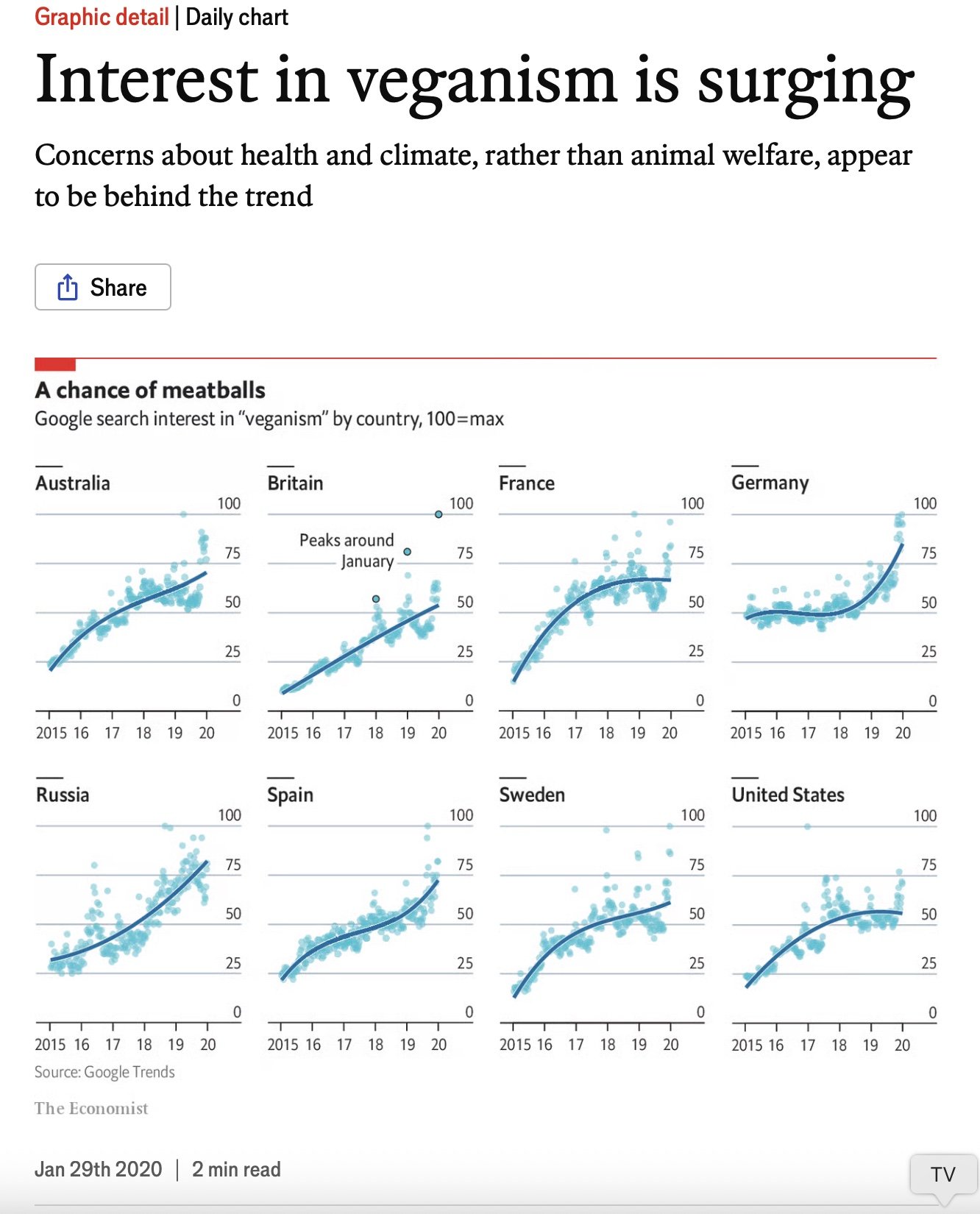
Shared from The Economist magazine. Jan 29th, 2020.
Simply put, sustaining the human population with a meat-heavy and dairy-heavy diet is not possible. We have already arrived at a tipping point. Too many trees have come down and not enough are standing to absorb the overproduction of carbon dioxide. Without trees to reduce this toxic air pollution, more is accumulating in the atmosphere. This accumulation doesn’t just affect the air quality, it also creates a blanket around the earth that is increasing the temperature. This temperature increase has caused climate to become more extreme and less predictable. This temperature increase has caused the ocean waters to increase and the glaciers to melt. The heat is stressing the land animals and the seas creatures. Humans still don’t know what the future holds, but most scientists believe it is becoming harder to turn things around. People must care and demand that our government officials do something about it. Saving a dying industry because we like the taste of animal flesh is not going to work when the fields that are home to millions of cattle and swine are no longer habitable due to drought and/or floods.
Meat’s Environmental Impact
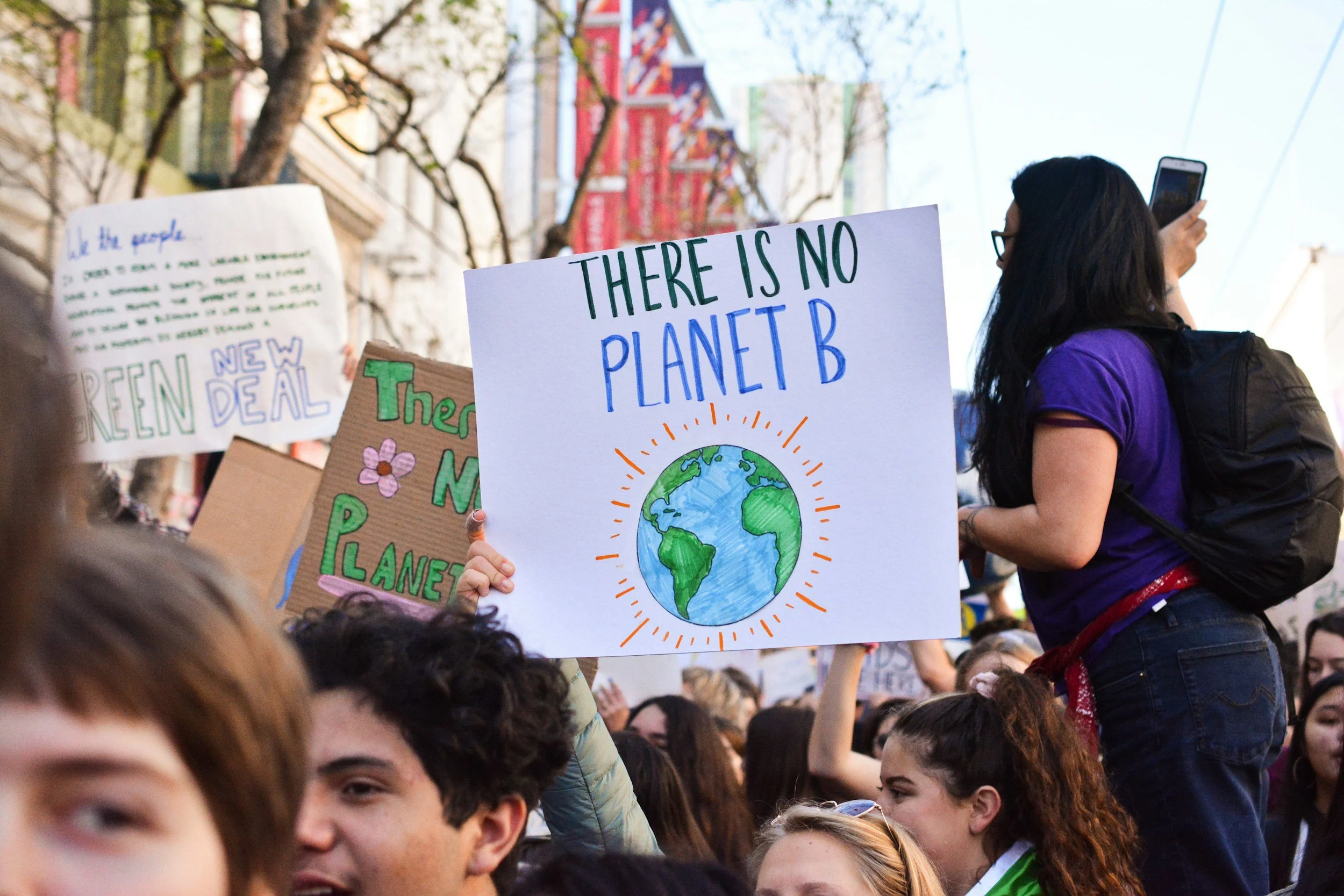
We should all be a part of making our world a better place - better for us and better for the animals.
Although climate change and air pollution are two good reasons to change our ways, the horrible way we treat our vulnerable animals cannot be underappreciated. Although this should be the number 1 reason to sustain ourselves on plants, this is not even in the top 3 reasons that people use. A society that treats its most vulnerable with indifference is an evil society. Studies now show that treating animals cruelly is not isolated but can make a society as a whole more violent and cruel. We have the power to do better. We must do better.
The Link Between Animal Cruelty and Human Violence
https://leb.fbi.gov/articles/featured-articles/the-link-between-animal-cruelty-and-human-violence
The Hidden Health Impacts of Industrual Livestock Systems
https://www.worldanimalprotection.org/globalassets/pdfs/reports/english/hidden-health-impacts.pdf
Mahatma Gandhi famously wrote: "The greatness of a nation and its moral progress can be judged by the way its animals are treated."
More work must be done if we ever want to be a great nation.