

25. The Incredible Dolphin
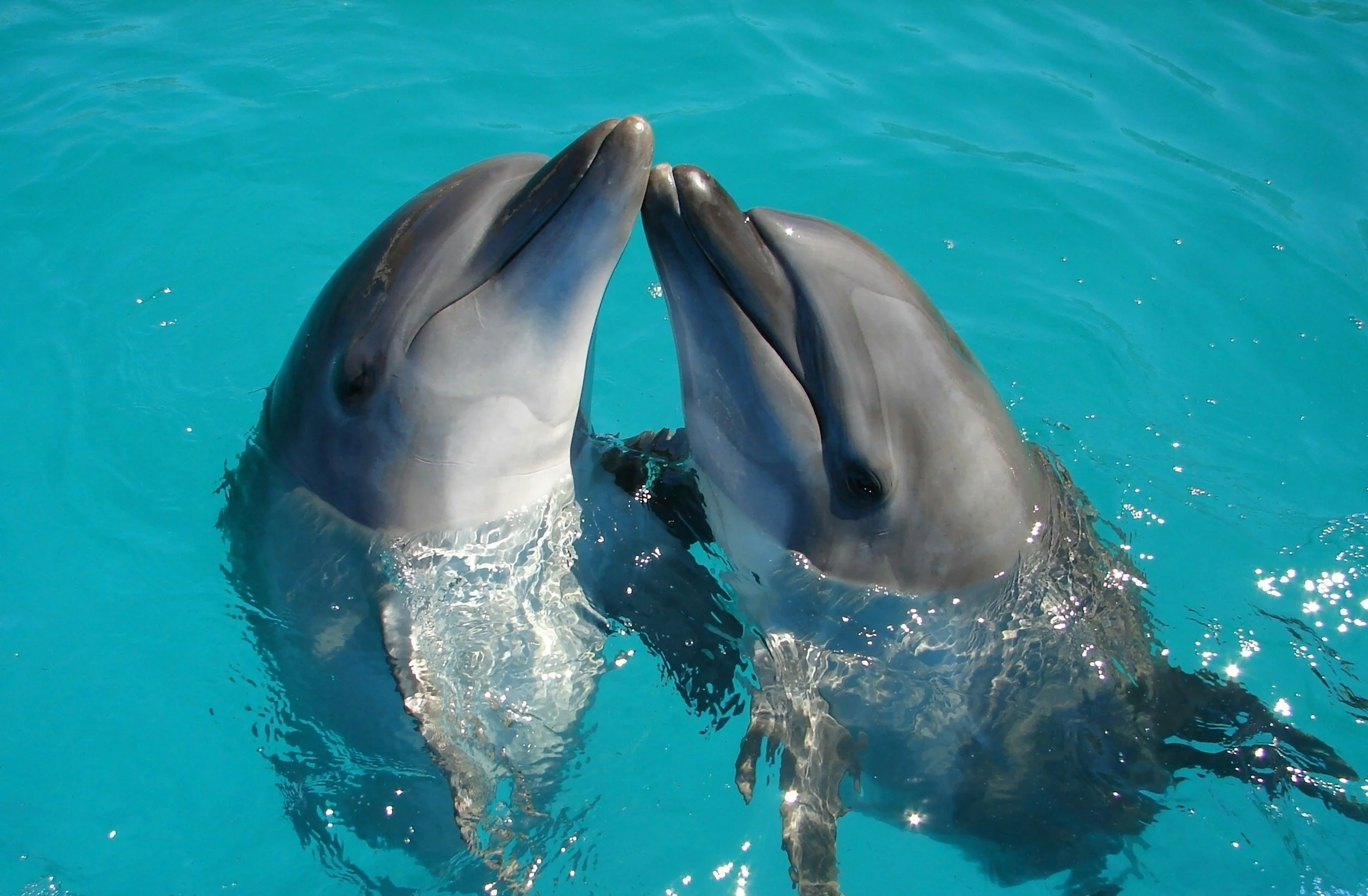
Dolphins are smart, playful and extremely social.
Have you ever seen a dolphin up close? If you have, then you know how special they are. Dolphins are one of the most beautiful animals alive today and the most intelligent. Some of the best things about dolphins include having fun, interacting with other animals and people, and giving thank you gifts to those who have helped them. Sadly, there’s a darker side of dolphins that people don’t really think about and it is centered around our exploitation of them. People have domesticated them and are able to easily manipulate them. Dolphins are trusting, loving and happy and this is their downfall. Just like some land animals, such as the cow, these beautiful creatures are easy to control, are very loyal, and seem to be our targets. Maybe this is why the Faroe Islanders are so successful at hunting them down and killing them. These hunters are internationally known for their hunting style – “grindadrap” or the Grind, which is a way of herding both whales and dolphins into shallow waters to kill them all for their meat and blubber among other body parts. This Grind form of hunting that the Faroe Islands are known for accounts for over 1,000 deaths on average annually. Just a few days ago more than 700 dolphins were killed in a single day. The slaughter was unprecedented – never before had so many beautiful, innocent animals been rounded up and killed. The worst part about these animal slaughter drives is that many dolphins were not even killed humanely – many were killed haphazardly and violently. It is easy to look away and not care, but we can no longer do that. We should all be interested in their conservation, instead. Now that we know we don’t need to eat them to survive and thrive, then why should we?
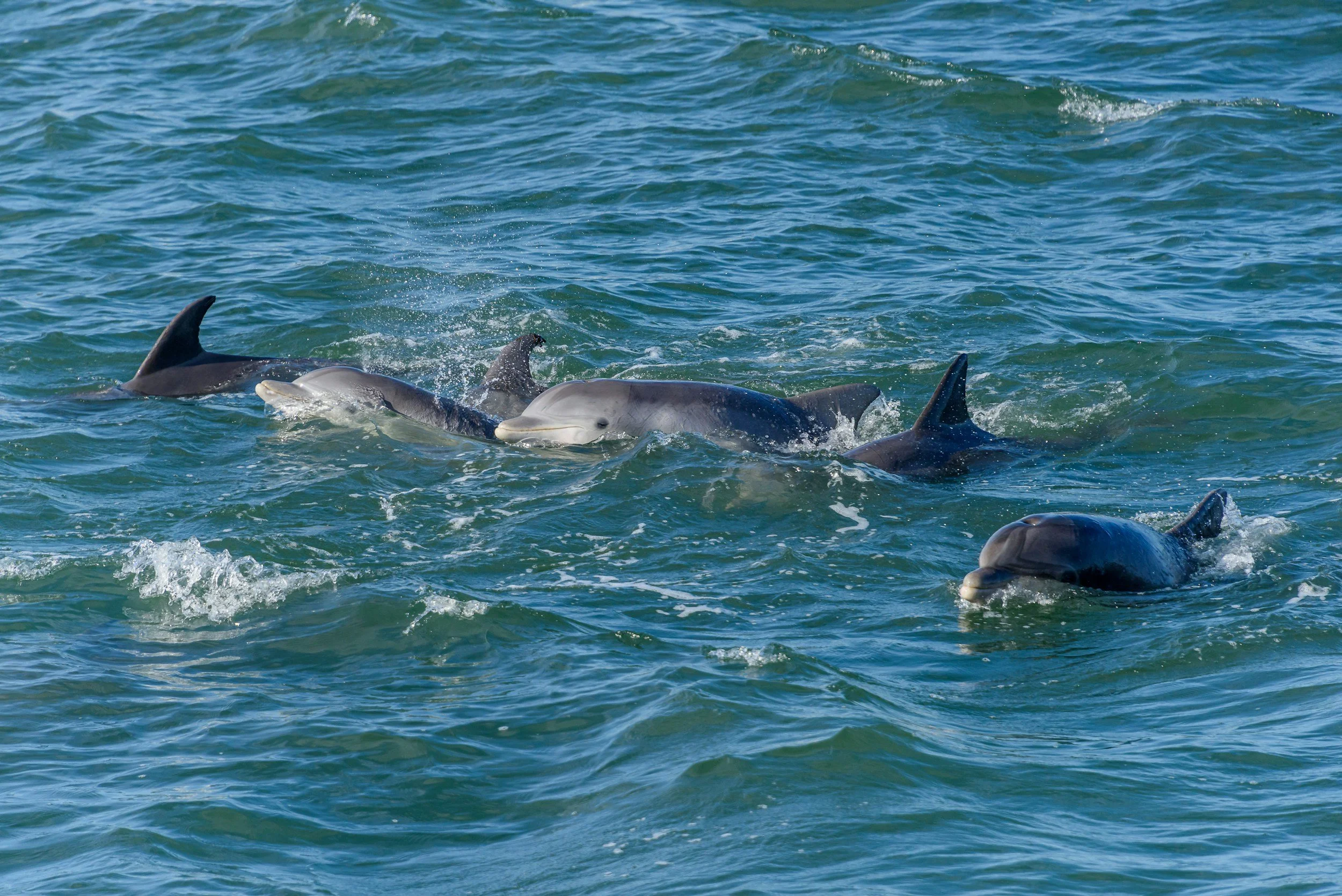
Dolphin and whale hunts are so successful because dolphins find comfort and protection in groups/herds and stay close to one another.
More Than 700 Dolphins Killed in a Single Day of Faroe Islands Hunts
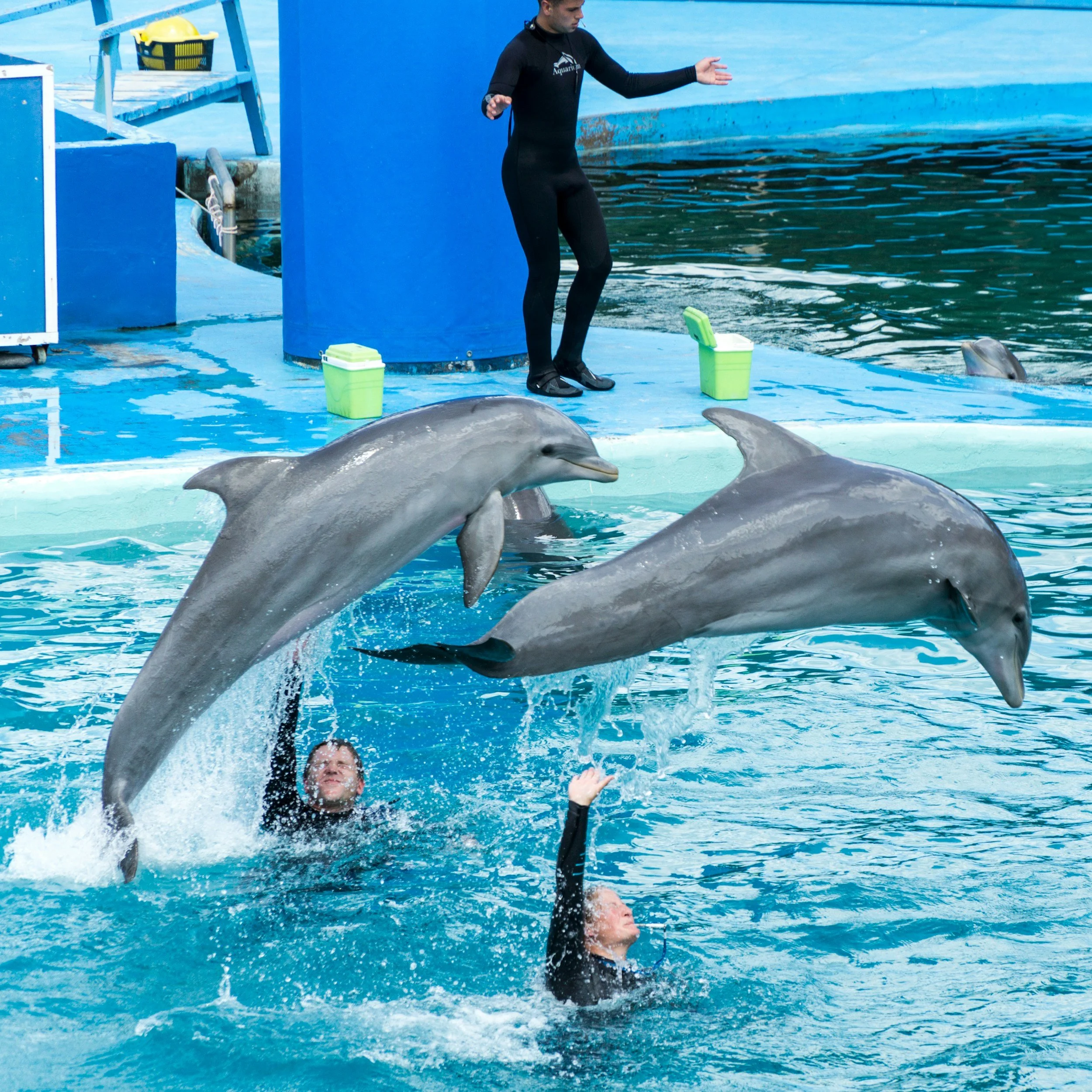
People love to watch dolphins perform. By learning so many tricks their intelligence is on display.
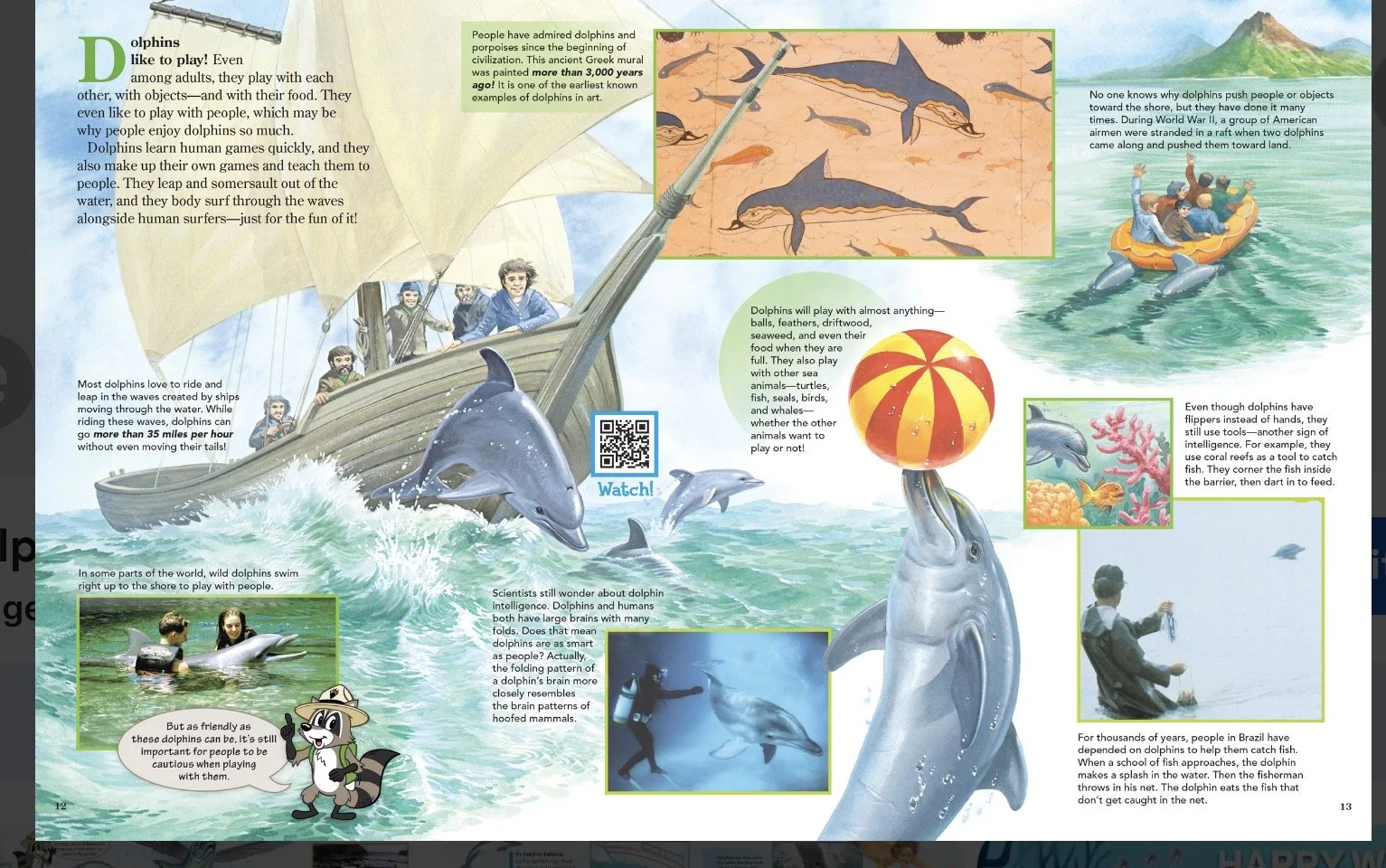
Dolphins have lots of talents, here are just a few. Courtesy of Ranger Rick.
Similar to our beloved pets, or a quick glimpse of a wild animal, people love dolphins. We pay to see them up close and to pet them. We love to see them do tricks and perform for us. We also love to eat them. But you can’t truly love them and think it is okay to violently kill them to eat them. Some describe dolphins as water dogs. They are interactive, they are fun to play with, and they have a joyful disposition. But they are also fiercely loyal and love their friends and family, similar to people. You rarely see one alone in the wild. What most people don’t know is that dolphin populations around the world are shrinking. Dolphins have lots of enemies. Red algae blooms that can occur along the western Florida coast can be toxic to dolphins. In some areas of the world dolphins are bycatch meaning they get caught in the fishing gear when fisherman are hunting for other kinds of fish. On the other hand, in some places in the world dolphins are on the endangered species list and laws have been put into place to prevent harm. They are a protected species in the European Union among other places. In the United States dolphins are protected under the federal Marine Mammal Protection Act. (MMPA) The MMPA was first voted into law in 1972. This act made it illegal for an American to harass, hunt, capture, collect or kill marine mammals on the high seas within 200 miles of the borders of the United States. Some nations have led the way in banning dolphin hunts. Some of these countries include Canada, Mexico, Costa Rica and Bolivia. River dolphin pacts are agreements created between countries to protect the river dolphins. These countries include Brazil, Colombia, Bolivia, India and Peru. The European Union formed a pact called the European Union’s Habitats Directive which protects dolphins, whales and porpoises. Although these pacts are a great place to start, thousands of dolphins still die needless deaths by being bycatch while fishermen target other fish.
Marine Mammal Law
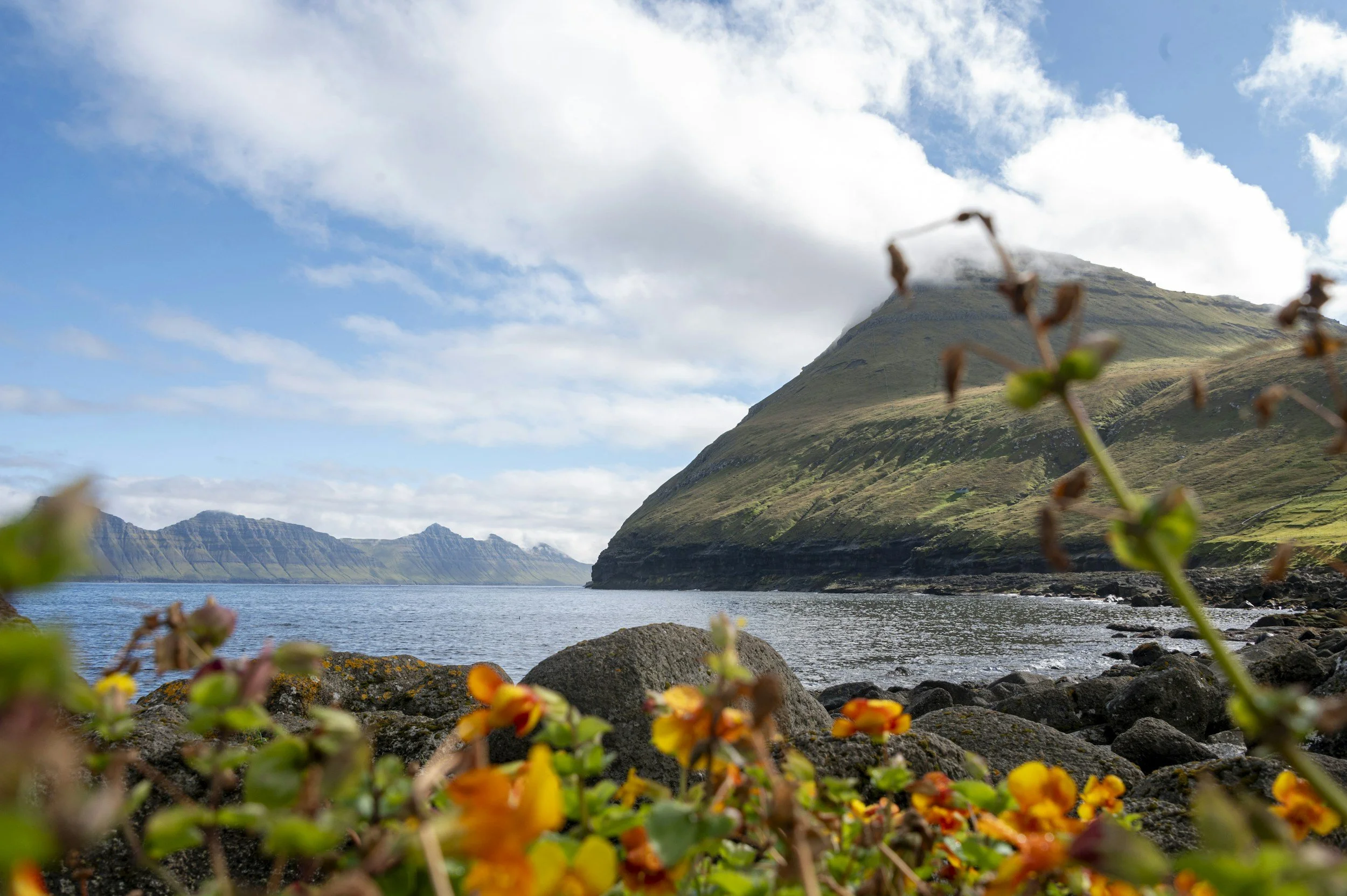
The Faroe Islands - one of the few places on earth that the dolphin is not protected but rather is hunted.
The Faroe Islands are unique in that even after knowing dolphin populations are shrinking, the island people believe their tradition of dolphin and whale hunts should not be opposed because they are deeply part of their tradition. When a tradition is on the wrong side of history, it must be reconsidered. This is a perfect example. Although many conservationists have protested the Faroe Island hunts, the government will not overturn the ability to hunt them – at least not yet.
The protection of dolphins and whales in some parts of the world has not always been in place. Fortunately, many countries are phasing out the entertainment use of dolphins and whales. In fact, human interest in the conservation and protection of dolphins and whales came about as movies and documentaries were created to show people how easy it was to not only interact with a dolphin but also to watch them learn how to play and do tricks. The television series Flipper, an American television series was shown on NBC from 1964 to 1967. Flipper was a dolphin who helped when the human family was in need, played with them and was clearly a very loyal and intelligent animal. Other movies about dolphins include The Cove, Call of the Dolphins, Dolphins, Dolphin Reef, Exploring the Secret Lives of Dolphins, the Incredible Life of Dolphins and Diving with Dolphins. Blackfish is a heart wrenching movie about the captivity of beluga whales and has been influential in the move to phase out the captivity of such animals. The cruelty of captivity of any animal is heart breaking and unnecessary. People need to respect the lives of wild animals and keep them wild. This hasn’t stopped safaris across the world make money and give tours.
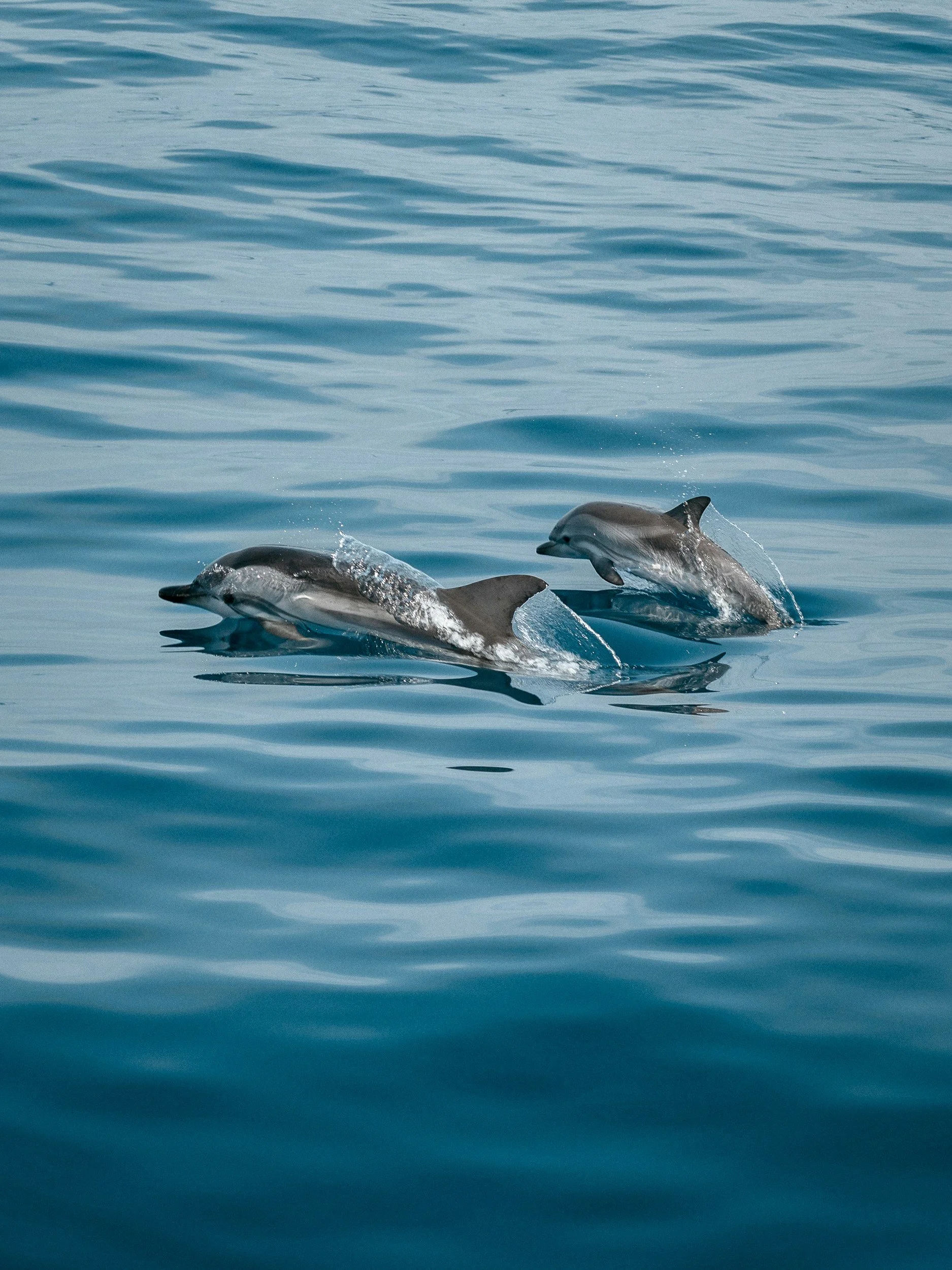
Dolphins and whales deserve to be be protected.
What can you do to help dolphins in need? The first thing you can do is to stop being part of the killing and the eating. The second thing you can do is to live a life that emphasizes respect for all creatures big and small. The third thing you can do is to contribute to worldly causes that try to pass protection laws and interfere in hunts and mass murders of innocent animals. These incredible animals are far too amazing to ignore their plight.
Center for Biological Diversity
Greenpeace
Saving Whales and Dolphins