

26. Vitamin B 12 – The Superhero We Cannot Live Without

Vitamin B12 is a superhero when it comes to essential nutrients.
Vitamin B12, or cobalamin is an essential, water-soluble vitamin that falls under the umbrella of vitamin B complex. The active forms include methyl cobalamin and 5-deoxyadenolsylcobalamin. Vitamin B12 works as a cofactor for two enzymes, methionine synthase and L-methylmalanyl-CoA mutase. Methionine synthase converts homocysteine to methionine, an essential amino acid. This important step of converting homocysteine to methionine is one step of many used in decreasing systemic inflammation, since elevated homocysteine levels have been linked to systemic inflammation and worsening coronary artery disease.
The conundrum of vitamin B12 deficiency is not just something vegans need to worry about. There are plenty of non-vegans, omnivores, and carnivores who are deficient in this important vitamin, too. One study suggested that upwards of 40% of Americans have a low to average level of vitamin B12. Getting enough vitamin B12 cannot be overstated. But how do we get enough and how do we know when we aren’t getting enough? The biggest problem with vitamin B12 is that so many factors can affect our ability to digest and absorb it. Prescription and over-the-counter medications can play a part. The health of the protective, gastric lining is a factor, since the production of intrinsic factor is located there. Normal gastric acid levels and normal transit time are needed for appropriate digestion of vitamin B12. The foods we choose to eat are yet another factor influencing the health of the GI tract. So much can come into play.
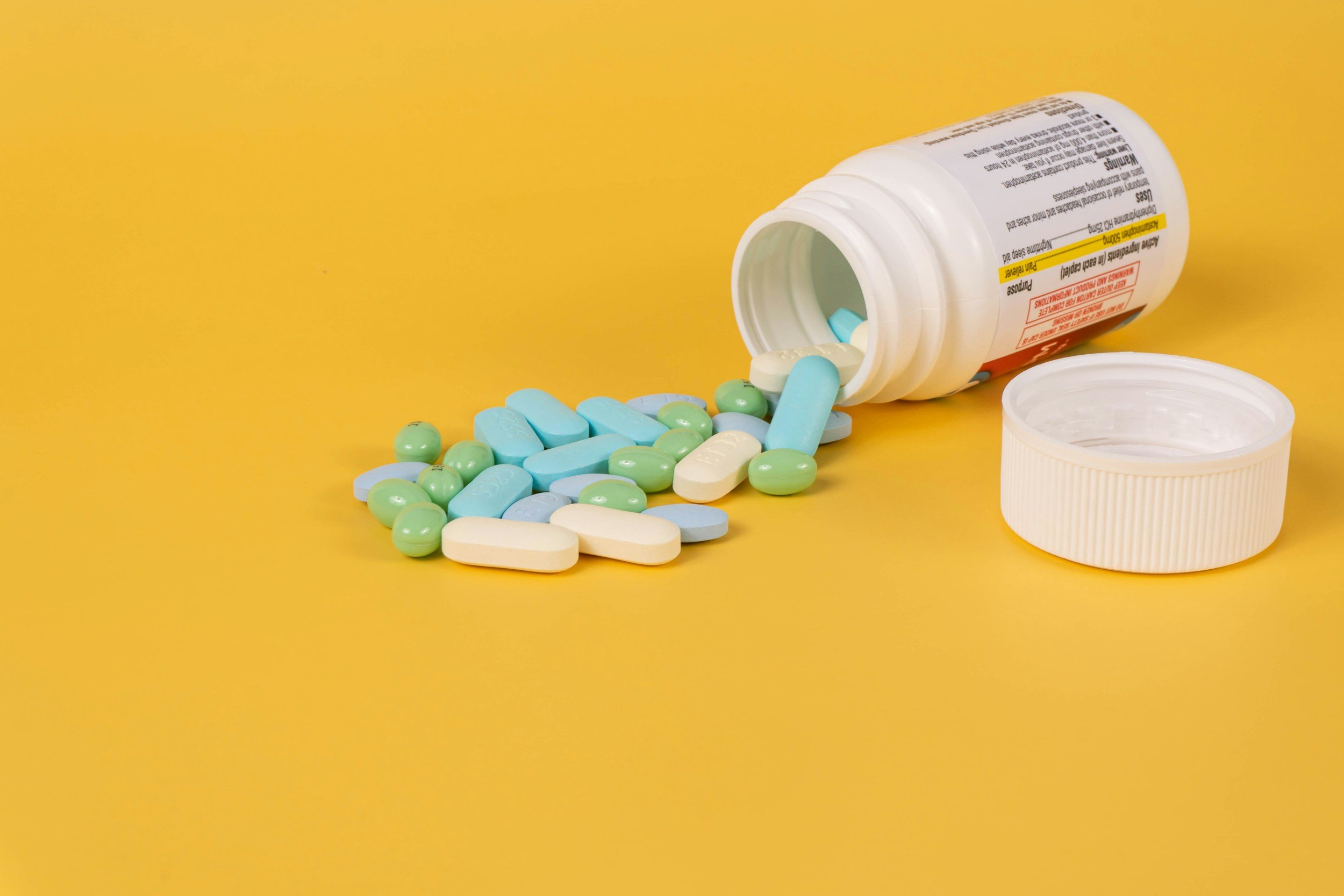
So many medications can potentially interfere with the digestions and absorption of vitamin B12 including antacids and GLP-1’s.
Are You Vitamin B12 Deficient?
https://agresearchmag.ars.usda.gov/ar/archive/2000/aug/vita0800.pdf
Vitamin B12 Deficiency
https://my.clevelandclinic.org/health/diseases/22831-vitamin-b12-deficiency
Homocysteine and markers of inflammation in acute coronary syndrome
https://pmc.ncbi.nlm.nih.gov/articles/PMC2898531/
What makes vitamin B12 so important? This vitamin is crucial for a healthy nervous system, DNA production and red blood cell health. What happens when we don’t get enough? In extreme cases, a lack of vitamin B12 can cause permanent and debilitating neurological damage. Since nerves are important in movement, our physical health can decline along with our mental health. Anemia can also occur - this condition can create a feeling of tiredness. According to Cleveland Clinic, a vitamin B12 deficiency can make you feel like something is off – you may feel numbing in your fingers, fatigue, mouth sores, memory loss, mobility issues and mood changes.

The health of our brain and nervous system depends on certain nutrients including vitamin B12.
The most important thing about vitamin B12 is that some mammals like humans cannot make it, so we must rely on what we eat to be sure we consume enough to achieve optimal levels. Recently, there has been so much hype about the consumption of meat, eggs and dairy as great sources of vitamin B12. But if you don’t have a functioning stomach lining, a healthy gastrointestinal tract (GI) or the ability to absorb vitamin B12, then the source simply does not matter, you will still be deficient. And unfortunately, plenty of meat and dairy consumers are. A simple blood test can tell you if you are deficient. Normal levels should fall between 299-1054 picograms per milliliter.
Vitamin B12 Level
https://medlineplus.gov/ency/article/003705.htm
Recently, it has been suggested that we need to adjust the guidelines to increase the standard RDA of 2.4 micrograms of vitamin B12 to 6 to 10 micrograms. There are several reasons for this increase suggestion. First, vitamin B12 is a water-soluble vitamin, however, we do have the ability to store some backup in the liver, more than most water soluble vitamins. Second, it has been estimated that humans absorb about 50% of the vitamin B12 that we take in orally. Third, as we age, we cannot digest and absorb nutrients as easily and we could more readily end up with a deficiency. Last, so many people now take medications, medications that interfere in the digestion and absorption of vitamin B12. It is prudent to take a bit more, just to be safe.
Boosting B12 Intake – More Experts Believe the Recommended Dietary Allowance Should be Higher
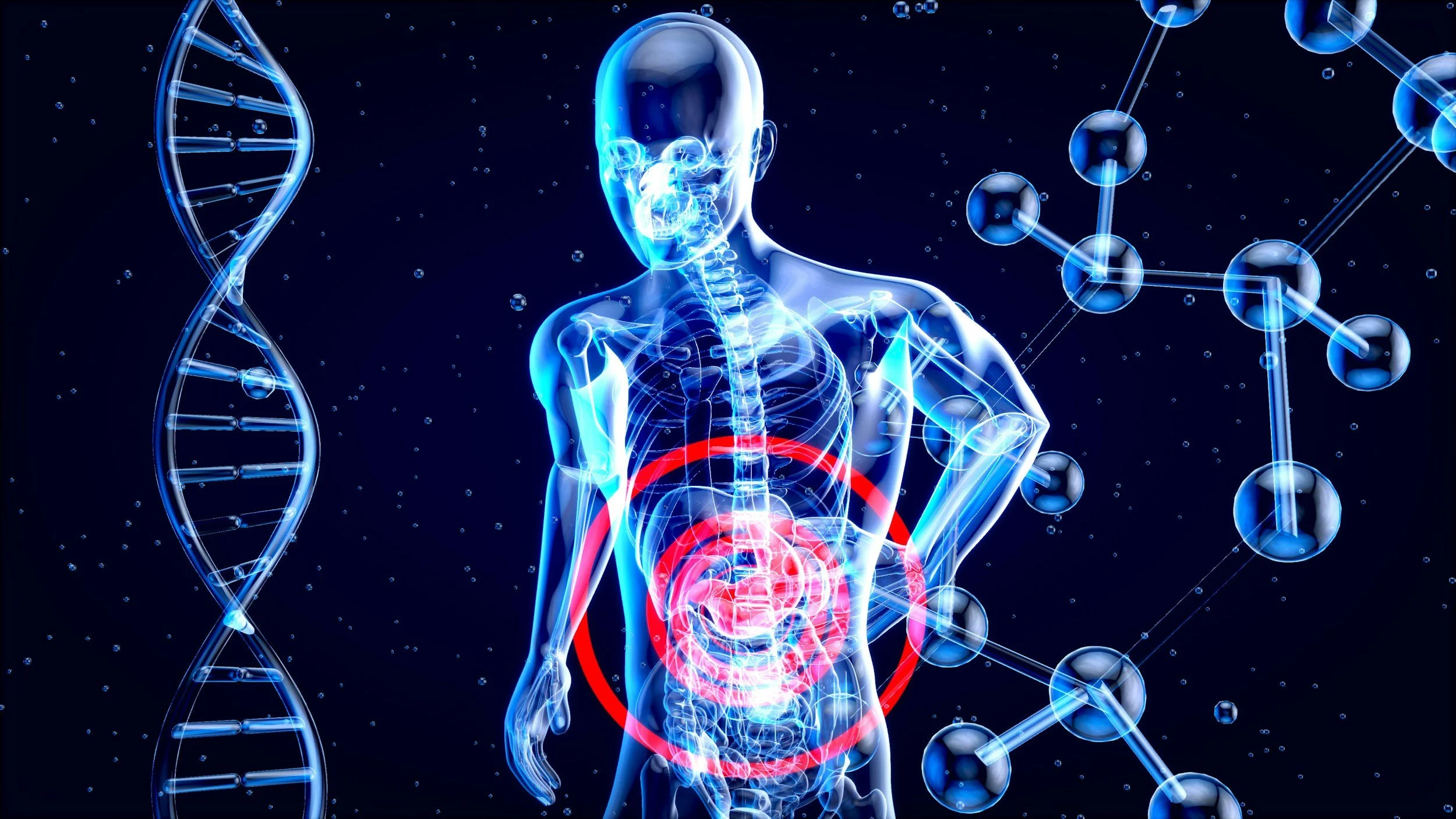
The health of the gastrointestinal tract including the stomach is crucial to digestion and absorption of nutrients.
Which medications can interfere with vitamin B12 digestion and absorption? Let’s begin with some over the counter medications that are commonly used - for example, Tums, Rolaids, Mylanta, Maalox, or other antacids. Stomach acid at a specific pH of 1-2 is required to digest vitamin B12. No low-pH stomach acid? No digestion. Antacids do just that, they neutralized the stomach acid bringing the pH up which can relieve symptoms of indigestion. They can also interfere with vitamin digestion by blocking the enzyme required for acid production and secretion. What about proton pump inhibitors? Previcid, Prilosec and Nexium among others, require a prescription and are very effective at limiting our stomach acid production – at a cost. These can be prescribed for many reasons – GERD and heartburn relief, peptic ulcer disease and infections of the gastrointestinal tract. NSAID medications are often used to reduce pain and inflammation. Some common names include ibuprofen or Advil and/or aspirin. However, NSAID medications often come with a warning that overuse can cause GI upset and irritation. Short-term use of any of these medications is essential to prevent a potential vitamin B12 deficiency.
Effects of Non-steroidal Anti-inflammatory Drugs (NSAIDs) and Gastroprotective NSAIDs on the Gastrointestinal Tract: A Narrative Review

Some animals like cows have 4 stomach compartments. This helps them to house their own in-body vitamin B12 producing bacteria. They usually don’t need to take supplements unless they are given antibiotics which can interfere with vitamin B12 production. Unfortunately, cows who live on factory farms are often given daily antibiotics for growth and are given vitamin B12 supplementation due to. deficiency.
Has there been a time in history when people didn’t need to consume vitamin B12 but rather had bacteria in their intestine that could do this for them? We are extremely clean now and rarely eat food that has not been washed. It is possible that there may have been a time a while back when we could produce our own vitamin B12 because we had more vitamin B12 producing bacteria on our food when we ate it, but it isn’t likely we were able to do this in the amounts needed for good health. Vitamin B12 is produced by certain kinds of bacteria – this happens in the intestine of animals that we consume, like cows. These vitamin B12 producing bacteria, include, pseudomonas denitrificans, propionibacterium freudenreichii, cacteroidetes, firmicutes and fusobacteria. In fact, these bacteria are used to manufacture vitamin B12 in mass quantities to provide us with this important nutrient in supplemental form. The good news is that currently, vitamins like B12 can be produced for people who want to avoid eating meat, eggs, and dairy, and more importantly, animals can be spared a cruel death. For this, I will always be forever grateful.
What else can cause a vitamin B12 deficiency outside of the above-mentioned medications? Anything that can irritate or cause inflammation to the stomach lining and prevent the parietal cells, from producing intrinsic factor, can contribute to malabsorption and deficiency. Smoking and drinking have been known to irritate the stomach lining. Hot and spicy foods can upset the delicate balance in our stomachs, as well, and so can some spices. High fat foods like fried foods and high fat meats can contribute to inflammation, too. Others are sensitive to things like tea and coffee and must limit or refrain from consuming these drinks. And then there are allergies – so many people must deal with inflammation from allergic reactions, and this inflammation can make it harder for us to digest and absorb vitamin B12. Food allergies include, but are not limited to, soy, dairy, nuts, eggs, shellfish, and meat to name a few. Still other inflammatory condition such as, celiac disease, Crohn’s disease and hyperthyroidism can also cause deficiencies.

Visiting your healthcare provider regularly, is an important step to maintaining your health.
Other medications that slow down digestion, can affect vitamin B12 digestion by reducing the amount of gastric acid produced. Remember, without a low gastric acid pH and enough of it, vitamin B12 provided in food cannot be digested and absorbed, well. Which medications fall under this category? The most recent ones are those used to treat Type II diabetes mellitus – GLP-1 receptor agonists (semaglutide, tirzepatide, liraglutide, and dulaglutide.) Opioid medications, anticholinergic drugs, tricyclic antidepressants, calcium channel blockers, and amylin analogs can all slow down digestion and affect the production of gastric acid, potentially interfering in the digestion of vitamin B12.
As you can see, so many activities of daily living can influence our health, but most of us don’t think about the things that we do that can potentially interfere in digestion and absorption of nutrients like vitamin B12. Many omnivores and carnivores insist that vitamin B12 is never a problem if you are consuming foods sourced from animals. But clearly, there are so many ways we can mess with our digestive systems. What are we to do? First, try to take medications sparingly and short-term in duration if possible. Stay in touch with your doctor or dietitian to be sure your vitamin B12levels are maintained. And refrain from eating high fat foods that can cause irritation and decrease or limit your use of tobacco products and alcohol. Being healthy doesn’t have to be hard but knowing how to prevent a deficiency can help a lot.