

23. Pesticides - Are They Really Safe?
Fields of green crops can be deceiving - are they well-managed fields of food or are they filled with toxic chemicals used to keep them green?
A debate has been raging online lately about whether organic foods are safer or if they are just a waste of hard-earned money. It is so hard to decide when so many people on both sides are making logical points. Who do you listen to? I have always decided when this happens to dig deep, find the experts, and see what they have to say - those who have completed peer-reviewed studies and have science-backed proof. I will discuss the proof we have so far and review the studies that have been done. Another question that may arise, are organic farmed foods less toxic?
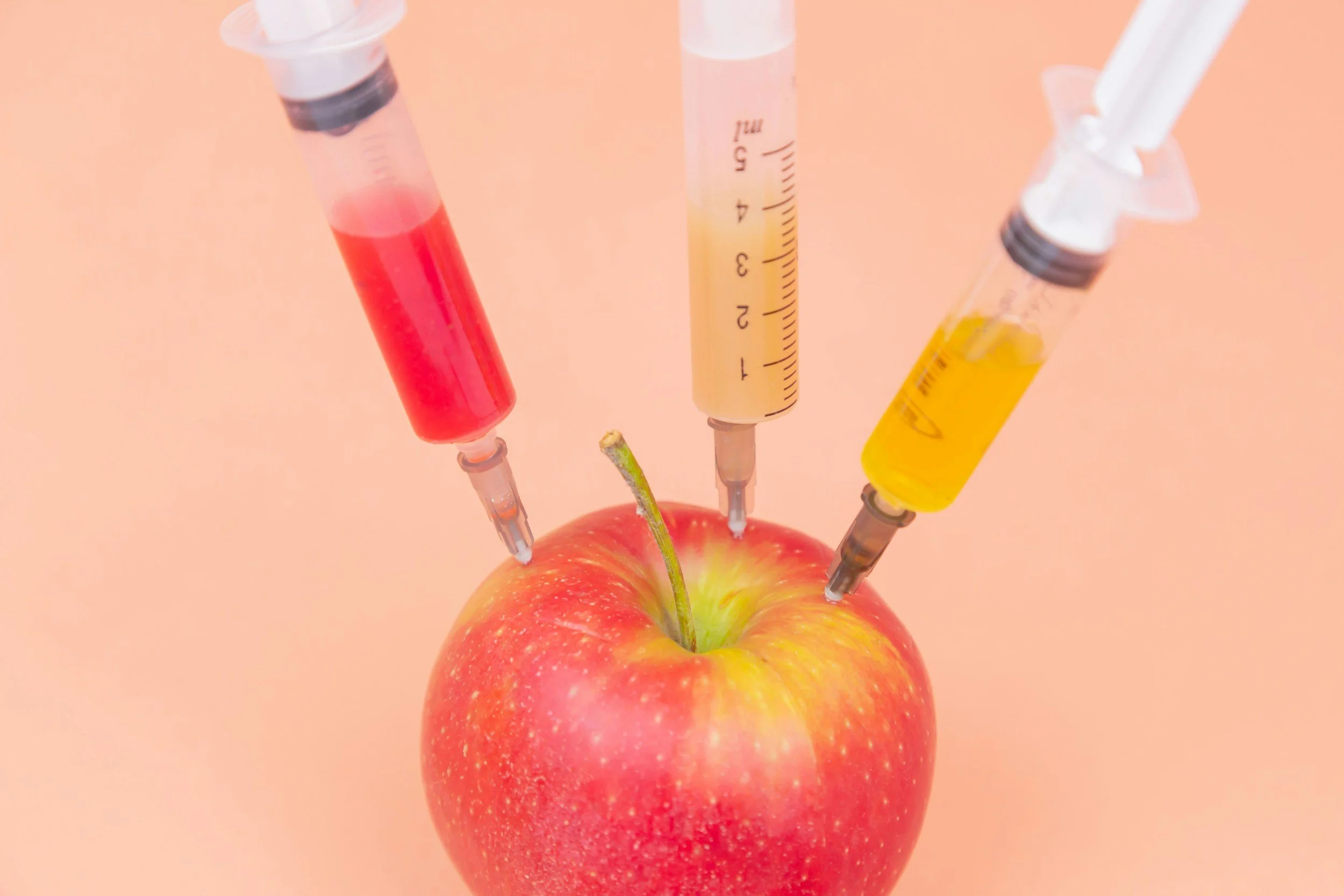
Do we really even know which chemicals have been used to grow our food?
We have relied on them for so long - what would we do without chemicals like man-made fertilizers and pesticides? Nobody knows. We haven’t tried living without them in years. It is often said that we wouldn’t be able to feed the world without chemicals to keep the crops safe. But do chemicals really keep the crops safe and furthermore, do they keep humans safe? This is up for debate. Those who produce our food think that we need herbicides and pesticides to produce a yield big enough to feed everyone. If new laws were created and food producers were forced to abstain from the use of synthetic chemicals, what would happen? Would most of the crops planted be destroyed by weeds and insects? Enough people think so that current laws have not changed, but should they? The producers raise a good point, but are synthetic chemicals the only way to produce enough food for the world? Maybe, but not all are created equal.
How to grow food perfectly without using synthetic chemicals - has anyone figured it out yet?
In the United States the philosophy on the use of these man-made chemicals is that they should not be banned unless their use causes clear health problems. In other words, the manufacturers have no responsibility to prove their safety before offering them for public and private use. To discontinue the legal use of these chemicals, scientists would need to show the risk after it had been used - after the harm had been done and documented. So why is food treated less seriously than new medications? In the development of human medications, the manufacturers must prove that the drugs are safe to use before they are available for public consumption – the opposite of the chemicals used on our food. Can traces of the chemicals applied to our food while growing, be found in the food we purchase from the grocery store? Yes, some can, absolutely. The history of chemical use on food is well documented. And the detrimental effects of some of these chemicals have been documented, too. Other countries have reacted to studies that have shown great harm to people, and to animals, and to beneficial insects like butterflies and other pollinators by making them illegal to use. Some countries have decided the gamble is not worth the price, so they have created laws against using some of the most toxic chemicals available. Countries vary widely on what they will tolerate when it comes to side effects from using synthetic chemicals on our food and food fed to our livestock. The United States of America leads the world in the less-concerned category. Many of the most toxic chemicals still in use today are used in the US. Some of these highly toxic substances used on plants include Paraquat, Atrazine, Aldicarb, Chloropicrin and Ractopamine. All of these have been banned in Europe and in many other countries. Still other toxic substances are used in industrial plants and easily contaminate the land nearby. Chemicals that fall into this category include Vinyl chloride (used in making PCV pipes,) trichloroethylene (degreaser that has been found often in groundwater,) perchloroethylene (PERC used in dry cleaning,) and chlorine dioxide (a poison used for sanitizing.) And we must not forget the most used chemical of all of them, glyphosate in Roundup. Why does the United States keep these chemicals in use if they are so toxic? The most obvious answer is profit and yield.

Laws are meant to keep us safe. Not all laws do.
I could write a book about all the chemicals that are used in our food and the food that our animals eat, but let’s look at the chemicals that are used the most and that are the most toxic to humans and other animals.
Paraquat is a chemical herbicide that is so toxic that a single teaspoon can be fatal. This is probably why 70 countries in the world have banned its use. The United States has decided that it is too valuable to get rid of. Part of the danger of using paraquat is that the half-life can vary tremendously – from a few days in topsoil to 820 years in ground water, depending on the sunlight it is exposed to. Paraquat is toxic to wild animals – including birds, fish, and mammals. Although this pesticide is controlled and is used in limited quantities and for commercial use only, it is still used on some of the most consumed foods. These foods include soybeans, alfalfa, corn, almonds, cotton, grapes, peanuts, strawberries, pears and garlic. Paraquat is a potent neurotoxin and has been linked to Parkinson’s Disease and other neurodegenerative conditions. Paraquat is not allowed to be used in organic farming.
Toxicokinetics of paraquat in humans
https://pubmed.ncbi.nlm.nih.gov/2328151/
Paraquat at 63 – the story of a controversial herbicide and its regulations: It is time to put people and public health first when regulating Paraquat
https://pmc.ncbi.nlm.nih.gov/articles/PMC12462389/
The 2026 Dirty Dozen
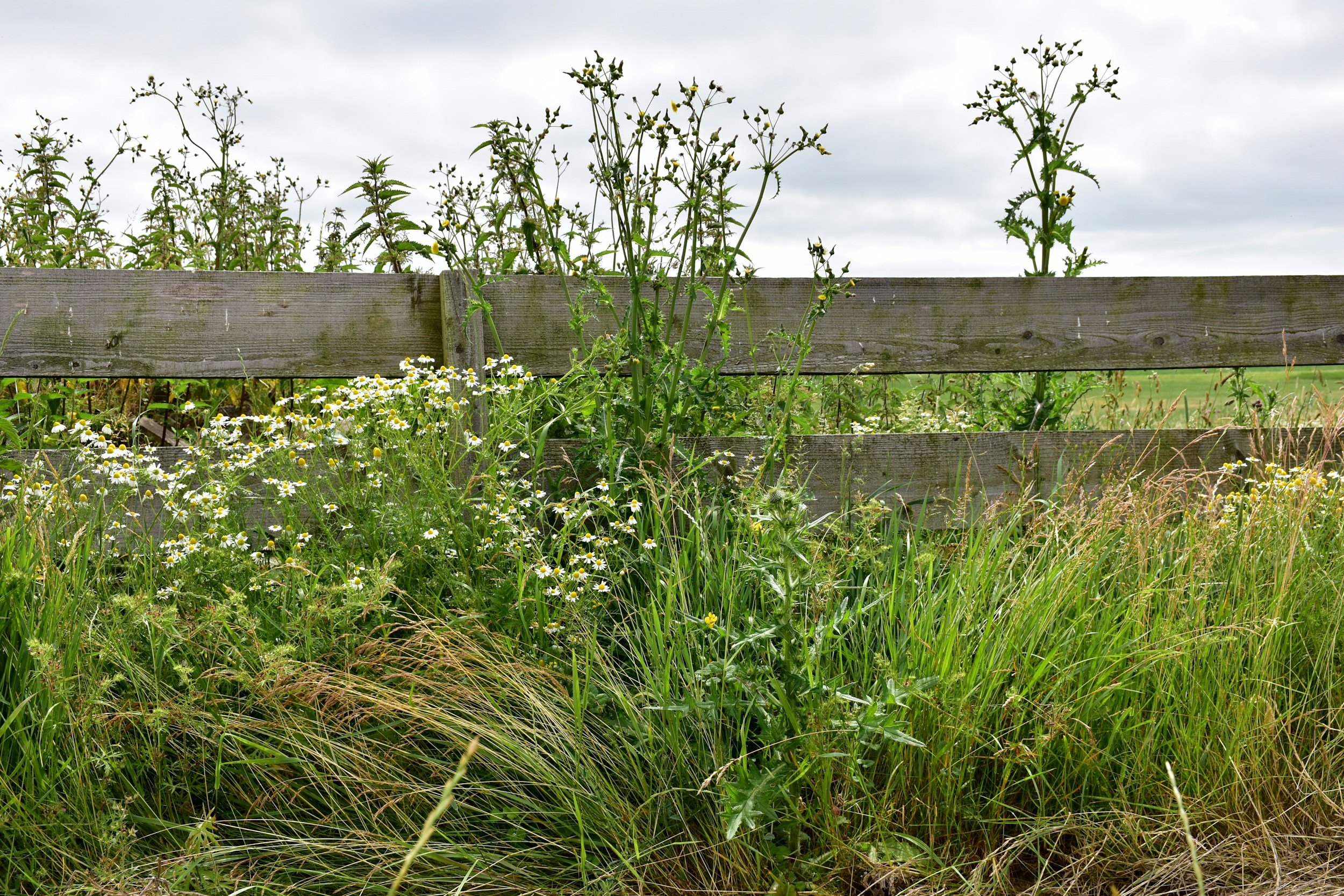
Although most herbicides were developed to grow more food without competing with weeds for nutrients, there is a dark side to most synthetic chemicals used on our food today.
Atrazine is used as a broadleaf herbicide that is highly toxic to mammals. It is used primarily on corn, sorghum and sugarcane. The half-life of Atrazine is 60-100 days in topsoil and over 500 days in anaerobic ground water. Atrazine is one of the most widely found chemical contaminants in groundwater especially used on crops in the Midwest United States. Atrazine has been found to contaminate private water wells and public water systems. Atrazine has been banned in over 30 countries including countries in Europe due to its toxicity. Several health conditions have been linked to atrazine including reproductive and endocrine disruption, and cancer. Organic farms are not allowed to use atrazine.
Atrazine – Centers for Food Safety
https://www.centerforfoodsafety.org/issues/6459/pesticides/atrazine#
Aldicarb is an extremely toxic pesticide used in the United States and fatal in small doses. It interferes with acetylcholine metabolism causing accumulation of acetylcholine resulting in nervous system overstimulation. Aldicarb is so toxic that it has been banned in 125 countries. Although the United States had committed to a phase out plan in 2010, the Trump Administration has since allowed it to be used in citrus orchards in Florida. In the United States aldicarb use can also be found in the farming of cotton, peanuts, soybeans, sugar beets, dry beans and sweet potatoes. Organic farms cannot use aldicarb.
https://www.panna.org/news/aldicarbs-return-puts-children-and-farm-workers-risk/
Chloropicrin is used as a pesticide but had once been used as a choking agent in World War I. Chloropicrin is highly toxic. Although chloropicrin is banned as a chemical weapon worldwide, it has been reported that Russia had used it against Ukraine forces during the Russia/Ukraine war. Banned as a chemical weapon, chloropicrin is still allowed to be used in some agriculture systems around the world. Countries that have banned the use of chloropicrin in agriculture include the European Union, China and Brazil. The half-life varies depending on the place it is found – in the ground 3-4 hours, in the air 18 hours, and in water 31 hours. This chemical is most damaging to the lungs where it can cause severe irritation and pulmonary edema. It makes sense that it should be banned since it can travel by air to other locations. This chemical is used in the preplanted soil to kill pests for growing foods such as, strawberries, raspberries, grapes, onions, garlic, tomatoes, broccoli, carrots and cauliflower. Organic farms cannot use chloropicrin.
Chloropicrin: Lung Damaging Agent
https://www.cdc.gov/niosh/ershdb/emergencyresponsecard_29750034.html
Chloropicrin application increases production and profit potential for potato growers
https://www.sciencedaily.com/releases/2019/05/190529084832.htm
Ractopamine is banned in over 160 countries but is still used in the meat industry in the United States. It is used as a feed additive to encourage the rapid development of muscle mass and leanness in the turkey, pork and cattle industries. This chemical is used widespread in the pork industry with estimates that suggest a use of 60-80% of swine across the United States. When used on animals who feed humans the side effects of such drugs are rarely taken into consideration and can be hard to prove. What side effects does ractopamine cause? Animals exhibit, fear, aggression, stress and anxiety while on ractopamine. They can also experience mobility issues and are more prone to injuries and lameness including death in transport to slaughter. Suffice it to say, animals that are fed ractopamine are made to feel miserable.
Feeding them Cruelty: What you need to know about Ractopamine
Vinyl Chloride is highly toxic and a known human carcinogen. Vinyl chloride is not used in the field protecting the crops from insects and weeds, rather it could be used in some plastic take away utensils and dishware. Vinyl chloride can also show up in plastic wrap and other food as a byproduct.
The 2026 Dirty Dozen
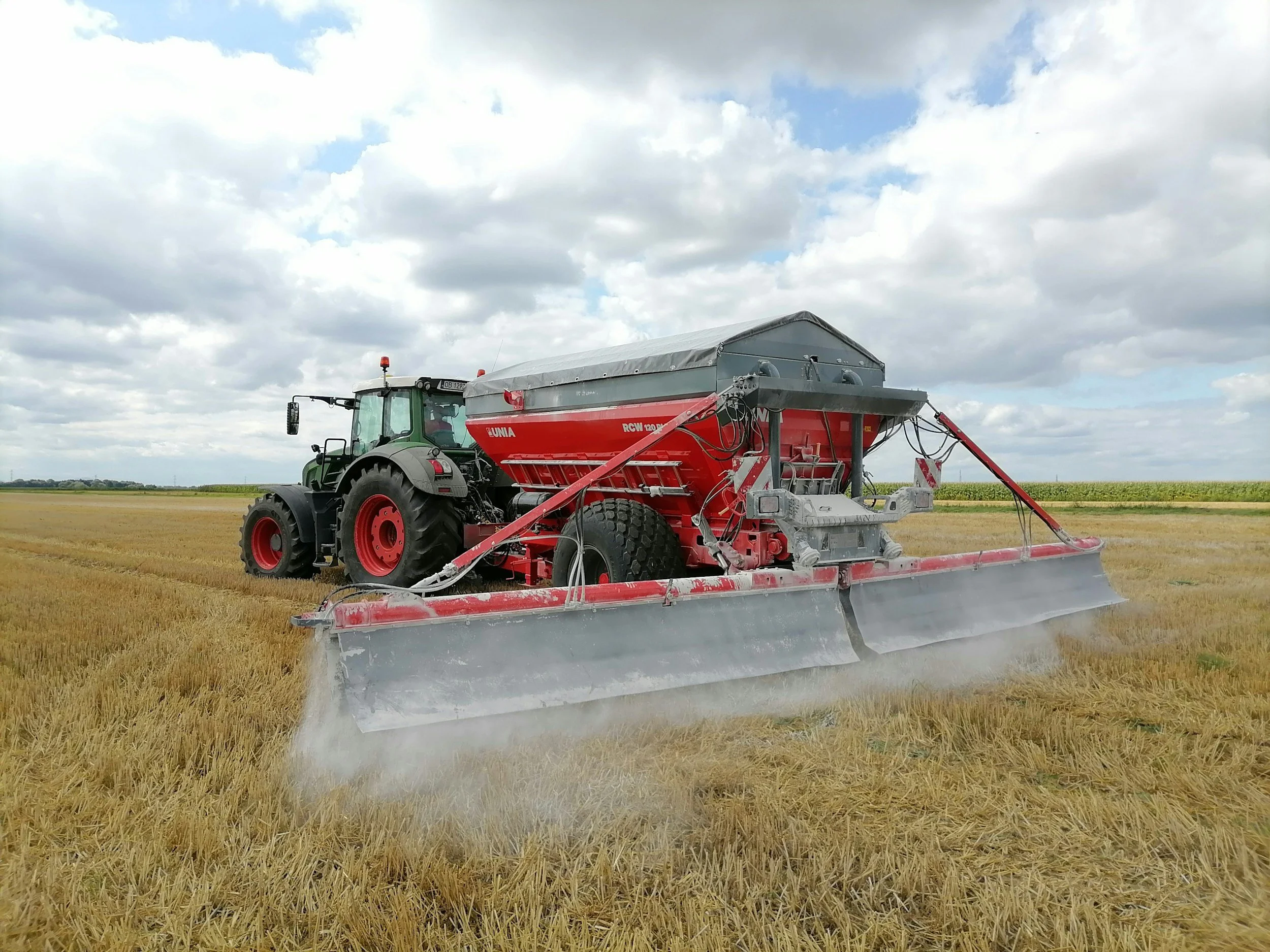
Glyphosate is the most used chemical herbicide in the US and in the world.
Glyphosate used in Roundup is the most heavily used of all herbicides manufactured and used in the USA. Glyphosate is controversial because the manufacturer, Bayer, claims that it breaks down quickly and becomes harmless shortly after applications. The courts of the United States have determined otherwise and have ruled that glyphosate is to blame for causing disease, specifically cancer, Non-Hodgkin Lymphoma (NHL.) The International Agency for Research on Cancer (IARC,) has recognized glyphosate as a chemical that has the potential to cause cancer. The IARC has labeled the chemical as a “probable carcinogen.” Due to this label some countries are in the process of phasing out or banning glyphosate. If you are a worker that encounters glyphosate often, then your chances of being diagnosed with Multiple Myeloma cancer have most likely increased. The US Environmental Protection Agency (EPA,) has determined that glyphosate is likely not carcinogenic to humans when used according to the label. A recent study on glyphosate that came out in June of 2025, revealed that glyphosate has the potential to cause many types of cancer, not just NHL. The controversy continues. Bayer, has lobbied the Trump administration to pass a law that exonerates them from any legal responsibility or liability. The case has not been decided just yet.
The results of this comprehensive study on the health risks of glyphosate are truly shocking. Almost all forms of cancer in rats that were fed the lowest doses could be seen developing tumors after exposure. These cancers included – leukemia, skin, liver, thyroid, nervous system, ovary, mammary gland, adrenal glands, kidney, urinary bladder, bone, endocrine pancreas, uterus, spleen and an increased risk in both sexes. More studies need to be completed to confirm exactly how glyphosate is involved in the development of cancer. Suffice it to say it seems we all need to err on the side of caution.
Roundup is such a profitable chemical, and its use is so ubiquitous, that it is hard to discontinue and/or replace it without some fallout. This is the main problem with phasing it out. This chemical is used with genetically modified crops – genetically modified to withstand being doused in so much chemical that most plants would never survive. When a super plant has been developed to withstand such insult, then you have a plant that must be purchased for use with the chemical. Therefore, the actual gene modification is not what is dangerous, it is the plants that can survive such an insult, and remain standing, that could have dangerous residue on them. Not only are farmers using Roundup, but Bayer sells them their seeds, too. Glyphosate has been detected in rivers and streams. Have the toxic effects of glyphosate reached our fish, too?
https://pmc.ncbi.nlm.nih.gov/articles/PMC9229215/
2, 4-Dichlorophenoxyacetic acid (2, 4-D) has been used since 1940 and has now been added to Roundup for higher effectiveness. Long term exposure may be linked to reproductive and endocrine problems. In animal studies it has been shown to cause cancer. 2, 4-D can be toxic to fish and birds. This chemical is oftentimes used along with glyphosate. Why? Some weeds have become resistant to glyphosate. So, the industry has decided to add 2, 4-D to the mix. The plants that have been treated the most are soy and corn. The biggest problem with this herbicide is that it has a half-life in ground water that is much longer than near the ground surface and topsoil. The half-life above ground is typically 7-14 days. 2, 4-D can travel quickly through the air and through water and this is what makes it so dangerous. City water is usually not affected but well water that is located near fields that are treated with this chemical can be at risk. 2, 4-D cannot be used in organic farming.
https://www.nrdc.org/stories/24-d-most-dangerous-pesticide-youve-never-heard
https://www.knowyourh2o.com/indoor-6/2-4-d
Other insecticide chemicals used on crops include eonicotinoids, organophosphates and fungicides. These are highly toxic to the environment, pollinators and aquatic invertebrates and they persist in soil and water. Residues can be found in human food and in half the human population. Eonicotinoids are banned in the European Union. These chemicals are often found in flea and tick meds for pets. Eonicotinoids are not allowed in organic farming.
Organophosphates are phosphorus containing organic chemicals used as pesticides on food. They have been shown to disrupt bee populations and can be a risk to birds and fish. Organophosphates are not allowed to be used in organic farming.
Fungicides are commonly used in conventional farming but are not allowed in organic farming unless it is a natural fungicide like organic oils. Fungicides are less toxic to humans than other forms of pesticides.
Organic Farming does not allow for the use of most synthetic chemicals - they rely on natural deterrents like oils, soaps and natural elements and compounds. Synthetic chemicals that are approved for use in organic farming are mostly those used for cleanup and disinfecting surfaces.
https://www.usda.gov/farming-and-ranching/organic-farming
Organic List of Approved Chemicals
https://www.ecfr.gov/current/title-7/subtitle-B/chapter-I/subchapter-M/part-205/subpart-G
As you can see the United States has a long way to go to catch up with the rest of the world when it comes to phasing out synthetic chemicals that cause harm to animals, helpful insects like pollinators and to humans. Part of the reason so little has been done to phase these dangerous and toxic chemicals out of existence is that the general population has not had the time to keep up. Citizens trust that those in charge are doing their best to keep the population safe. But those in charge can be persuaded by the industry and have been for a very long time. The government and the industry will usually only respond to objections if the masses stand up and say very clearly that we don’t want these chemicals in our food, in our air, on our land and in our ground water. It takes time to educate yourself, but it is important if we want to put an end to the toxic chemicals used in our food system.
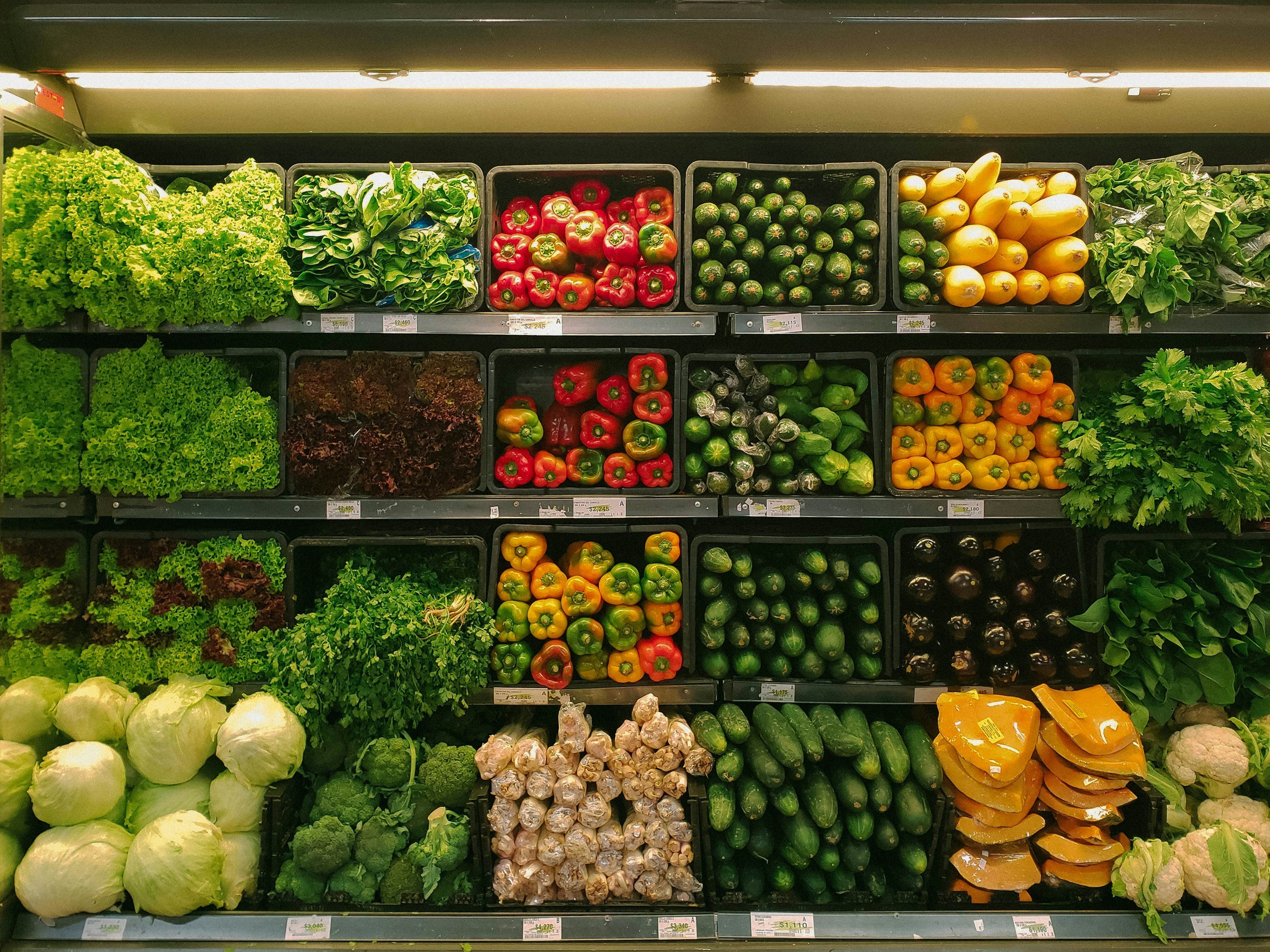
Organic foods, where available, may be the safest choice for fresh food in the United States if you choose not to have toxic chemicals used on the land or plants of the food that you eat.
One thing you can do if you can afford it, is to purchase organic foods from organic farmers. These foods have far fewer dangerous chemicals used on them and by purchasing them, you are keeping the organic farmers in business and giving the conventional farmers less business. Farmers will provide what consumers want, especially if they are vocal about what they want. Another thing you can do is to write to your congressman/woman and let them know that you don’t want toxic chemicals being used on your food. In the end it is up to all of us to learn about what is in our food and how it is grown. It is up to us to learn what is added to the animals feed that can affect us. And it is up to us to tell those responsible for making our laws that you are not happy with the job they are doing. So much more can be done.
Here’s the website that list all representatives, who yours are, and how to contact them.
https://www.congress.gov/members/find-your-member