

22. Inflammation - Is It The Hidden Villain of Health?
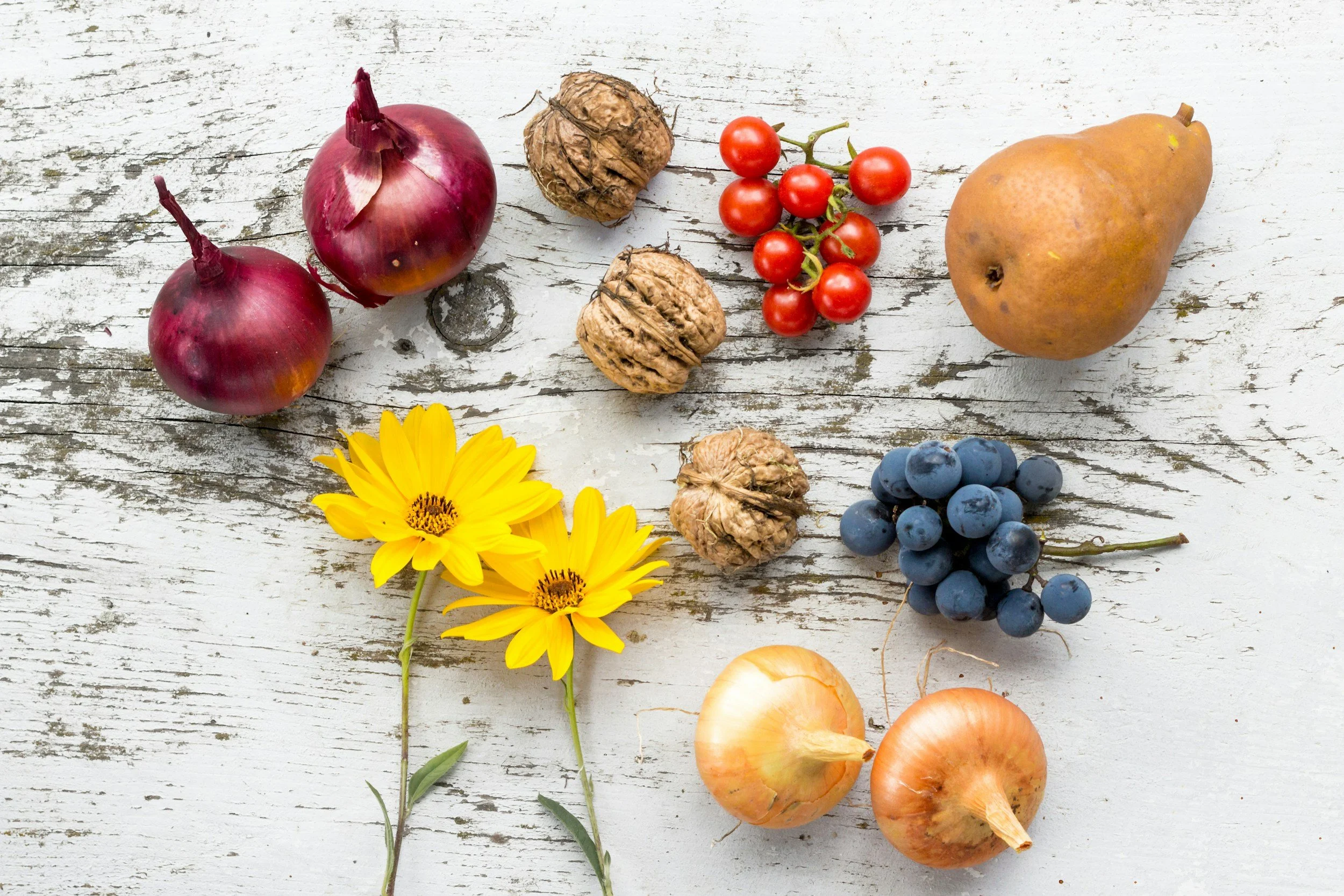
Prebiotics including onions and garlic feed the good bacteria (probiotics) in the human gut.
Inflammation is a word that is often used by healthcare workers and people concerned for their health. It has also been in the news a lot, lately. This word should be on everyone’s mind. Why? Because it is the one risk factor that is linked to many common diseases in the Westernized world. The influence of low-grade, chronic, systemic inflammation has been recognized as something we can no longer ignore. Diseases like arthritis, allergies, autoimmune disorders, heart disease, cancer and Alzheimer’s Disease are suspected to begin with systemic inflammation. The healthy human body requires inflammation to react to normal offenses. When the body triggers an inflammatory response, it is trying to fight off an invader. For example, when we cut our finger on something sharp, our immune system is triggered, and inflammation can result as the first step in the healing process. But when the invader is wrongly identified as our own body, this is when the immune system malfunctions. Allergies and autoimmune disorders are examples of the human body being triggered by something that normally should be harmless. Instead, the human body identifies itself as something that needs an army to fight, or the response is an overreaction. Either way, we end up being collateral damage.
A heathy microbiome may be the key to reducing systemic inflammation.
What causes the human body to overreact to invaders in an unhealthy way? And why does the human body attack itself? Research is now pointing to an unhealthy gastrointestinal tract and dysbiosis with the human microbiome as the culprit. Just as we now know that the brain and gut are connected, there are other systems that are linked to the health of our gut like our immune system. In normal conditions the human body creates a solid barrier between the walls of the gastrointestinal tract and the food that passes through it, called the mucosal protective barrier. This protective barrier consists of three layers – the epithelium, lamina propria, and muscularis mucosae. The health of all three layers is important. Under normal circumstances, when we digest and absorb nutrients, this barrier stops unwanted or undigested food and chemicals from getting in. This layer protects the underlying connective tissue and is responsible for absorbing the right nutrients. But when the body is unable to create this barrier or when there is an interruption in this protective layer, then bad things can happen. Undigested molecules larger than what usually can pass through are absorbed by the intestinal mucosa. These molecules can be identified by the immune system as invaders. We put up a fight, but sometimes it is the fight that causes the most damage.
How can we keep each of the three layers of this protective barrier healthy and strong?
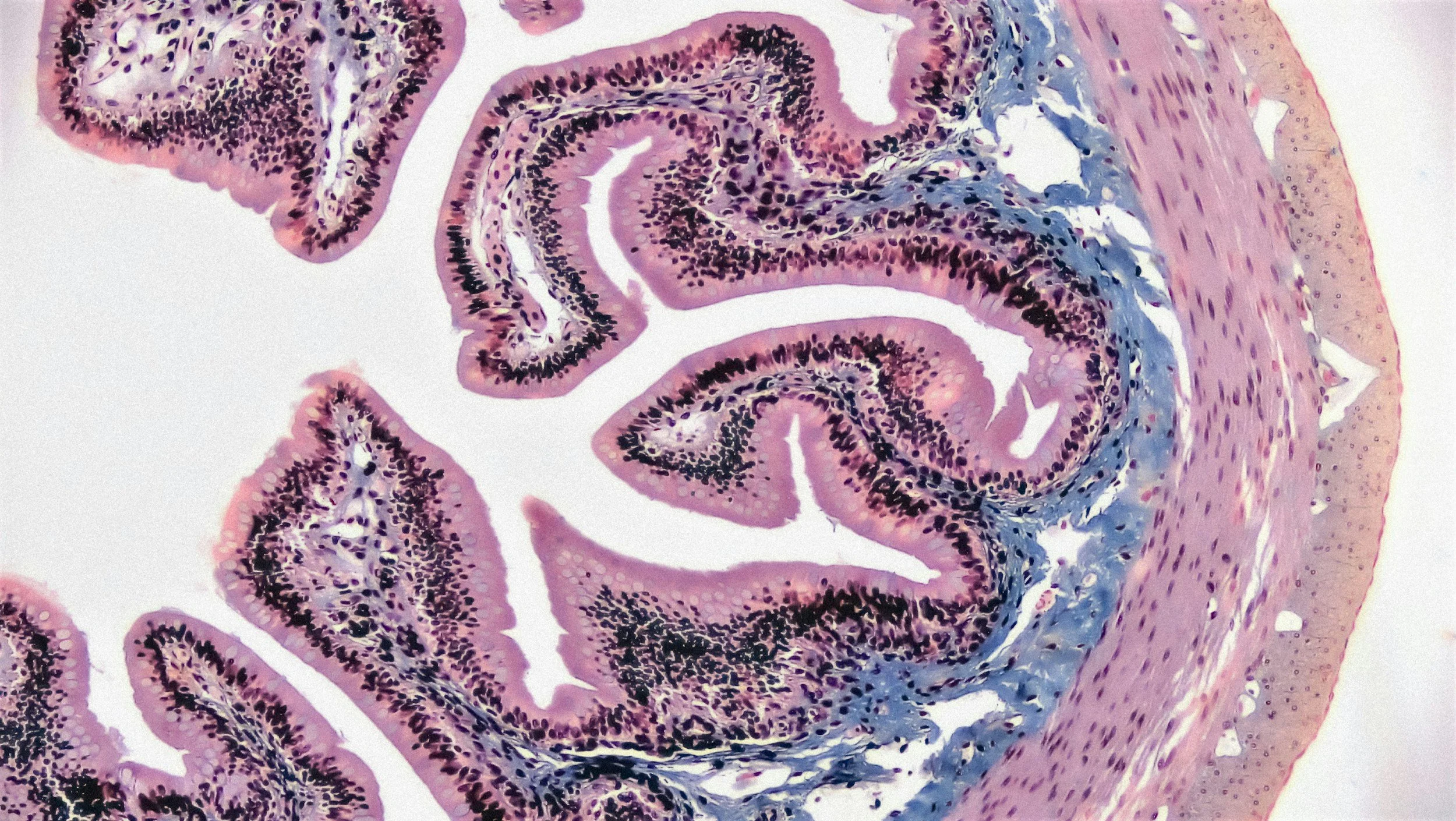
A healthy mucosa layer is important to normalize our immune response.
The top layer is the epithelial layer - this layer is the first line of defense when food and chemicals pass our lips. The cells that make up this layer are responsible for producing a thick, gel-like mucus that lines the intestine. All parts of the human body that are in direct contact with the outside world have these cells and 3-layer barrier, including the lungs and reproductive system. These cells are replaced often, due to the cellular waste they accumulate, and they often have cilia or small hairs attached to them to assist with movement. The second layer, the lamina propria, contains nerves and veins and has an important job to do – it carries nutrients to the circulatory system and keeps the first and third layer intact and connected. The third layer, the muscularis mucosae, the deepest layer is primarily smooth muscle that helps to move food along the gastrointestinal tract.
Inside the Microbiome: Why Good Gut Bacteria is the Big Hope for Allergic Disease
Keeping these three protective layers healthy and allowing for the good bacteria in our guts to thrive is a simple recipe for success. We are learning through lots of studies that the health of our immune systems is directly related to how healthy our gastrointestinal barrier is. When the protective gastrointestinal mucosal barrier is interrupted not only can food and germs get accidentally absorbed, but they can trigger an inflammatory response. This response can happen when we ingest certain foods, chemicals, medications, pesticides and herbicides. When the protective barrier is breached, it can trigger an unwanted inflammatory response - this can also trigger disease by initiation. What causes an interruption in the barrier? Several factors are involved in maintaining the health of the protective mucosal layer. The two most important factors are the production of short chain fatty acids (SCFA,) and having plenty of good bacteria thriving in the colon. These bacteria thrive by consuming enough dietary fiber. SCFA’s are created by the good gut bacteria which ferment the undigested fiber that we consume. These short-chained fatty acids are crucial to gut health since they feed the enterocytes. Protective or good bacteria are housed in the mucosal layer and help protect the lining.
The role of short-chain fatty acids in health and disease
https://pubmed.ncbi.nlm.nih.gov/24388214/
Short-Chain Fatty-Acid-Producing Bacteria: Key Components of the Human Gut Microbiota
https://pmc.ncbi.nlm.nih.gov/articles/PMC10180739/
Having the right kinds of good bacteria in place to ferment fiber that reaches the colon, releasing SCFA’s as a result, keeps us safe and healthy. So how do we get these good bacteria to take up residence in our guts? These gut bacteria are so important that they collectively have their own name, probiotics. Probiotics can be sold in most pharmacies, or they can be eaten from certain foods. In fact, in some instances doctors are prescribing probiotics instead of antibiotics for better health to maintain a healthy gut. To feed these important bacteria, only the right foods will do – high fiber foods. How much fiber do humans need? It is recommended that we get 25-35 grams of fiber daily. This fiber can come from vegetables, fruits, nuts, seeds, legumes and whole grains. Foods like meat, dairy, eggs and fish contain zero grams of fiber. These foods should be limited or even discontinued. When the right amount of SCFA’s are produced, the barrier stays intact.
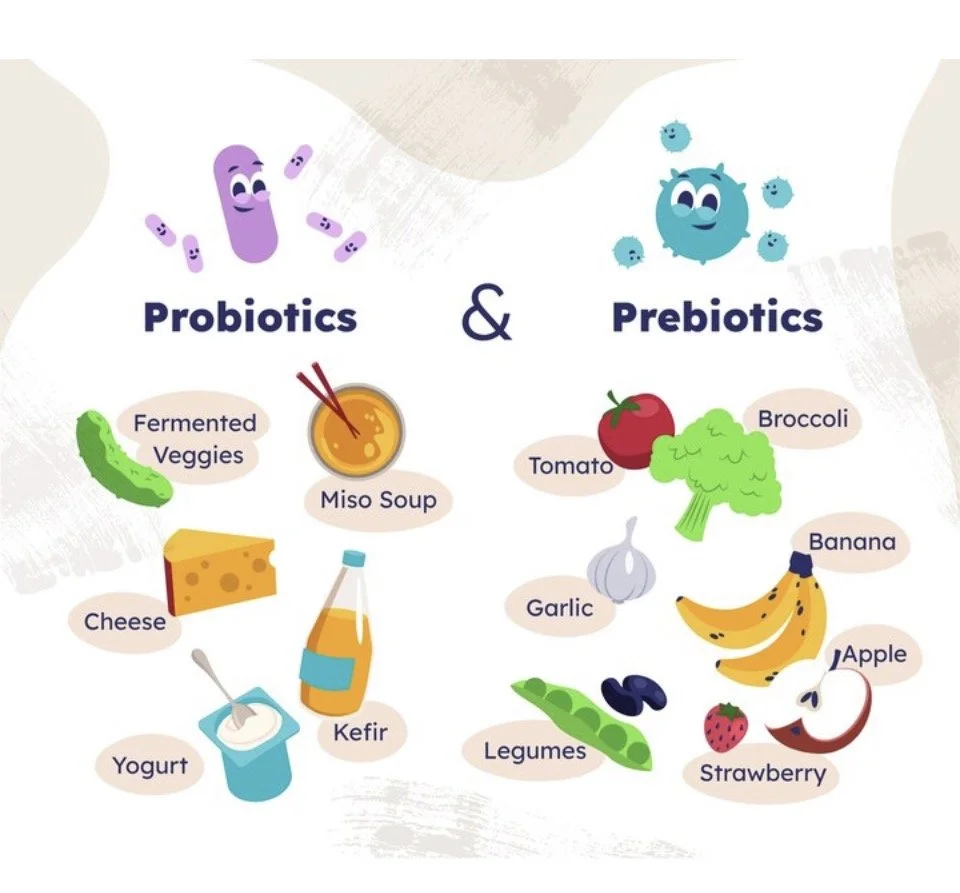
Prebiotics and probiotics are the most important contributing factors for a healthy microbiome. Examples of both above include vegan foods in both categories.
Short-Chain Fatty-Acid-Producing Bacteria: Key Components of the Human Gut Microbiota
https://pmc.ncbi.nlm.nih.gov/articles/PMC11402818/
Even if we have enough fiber and plenty of SCFA’s are produced, we can still fail to keep this barrier up and keep our gastrointestinal tracts healthy. What can cause such a failure? Toxins in the food that we eat can interfere with the mucosal barrier. Toxins that cause trouble include medications, herbicides and pesticides. What kinds of medications can cause problems? Many medications that are commonly used can interfere including, antimicrobials such as antibiotics, proton-pump inhibitors, steroidal and non-steroidal anti-inflammatory medications such as ibuprofen or Advil. Also included in this list are antidepressants/SSRI’s, metformin (antidiabetic,) laxatives, statins and beta-blockers. For some of us, medications are a life-saving intervention, but it seems the fewer meds we can get away with the better our health becomes. When our microbiome and mucosal barrier are healthy and strong many of the symptoms that cause us to seek the above medications for relief can sometimes disappear. Ironic, I know.
https://pmc.ncbi.nlm.nih.gov/articles/PMC12554645/
Once again, we turn to food to determine how healthy we want to be. Introducing healthy bacteria into our diet and feeding them with high fiber foods is the foundation of a healthy gut. Bad bacteria are kept at bay and are not allowed to proliferate if our good and healthy bacteria are allowed to thrive. I sit quietly watching media influencers and meat and dairy industries try their hardest to convince us that we don’t need carbohydrates, even though so much daily fiber can be sourced from high fiber, carbohydrate foods. They say we don’t need seeds or nuts, even though more daily fiber can be sourced from these foods, as well. They push us to consume more and more animal derived food - food that contains no fiber.
Keeping fiber intake high is one way to be sure we are supporting our guts. But we also need to avoid the foods that don’t help. These foods not only contribute little support to our microbiome, but they can also introduce bad bacteria and create inflammation all on their own. These foods include chips, French fries, sugar and sugary desserts and drinks, carbohydrates (that have had the germ and bran removed - white bread, white rice, white noodles,) fried meats, red meat, processed meat, cheese and high fat dairy, premade and refrigerated bread and cookie dough and trans fats.
Anti-Inflammatory Diet
https://www.hopkinsmedicine.org/health/wellness-and-prevention/anti-inflammatory-diet
MD Anderson take on Beef Tallow
Harvard – Foods That Fight Inflammation
https://www.health.harvard.edu/healthy-aging-and-longevity/foods-that-fight-inflammation

Although organic foods still use some approved, synthetic chemicals, they are less toxic and don’t include the worst of the worst when it comes to pesticides and herbicides.
Which pesticides and herbicides are detrimental to the human microbiome? Herbicides and insecticides - glyphosate, organophosphates, pyrethroids, can damage the fragile microbiome by killing the protective, good bacteria. Pesticides and herbicides are used on the crops that feed the animals that feed people and the food that directly feeds humans. Glyphosate is the world’s most used herbicide. Studies have shown that even at low doses, glyphosate can reduce the numbers of beneficial bacteria Lactobacillus and Bifidobacterium. Another recent study has shown that more than half of the bacteria making up the human microbiome are sensitive to glyphosate. The United State government is now deciding on whether the company that owns glyphosate, Bayer, will be held liable in the many lawsuits that they have lost totaling $16 billion. This case could be decided soon and could go either way.
Does Glyphosate Affect the Human Microbiota?
https://pmc.ncbi.nlm.nih.gov/articles/PMC9145961/
How gut bacteria change after exposure to pesticides
https://news.osu.edu/how-gut-bacteria-change-after-exposure-to-pesticides/
We have all known for quite some time that what we put in our mouths has a tremendous influence on our health. Now more than ever we need to start paying attention to what is used on the food that we eat and demand the government take responsibility for the use of detrimental chemicals and prove they care by sharing plans to phase out the most detrimental chemicals and reverse the negaive health impacts. Environmental toxins are everywhere. The more we learn, the more we know, and the more we can protect our families from the most toxic.
Stay tuned, in my next blog I will discuss the chemicals used in the United States food supply and how this use compares to other countries.