

21. The Magic of Losing Weight the Healthy Way

Adding vegetables to your diet is one path you can take to drop unwanted weight.
“People in Western Societies are often Overfed and Undernourished.”
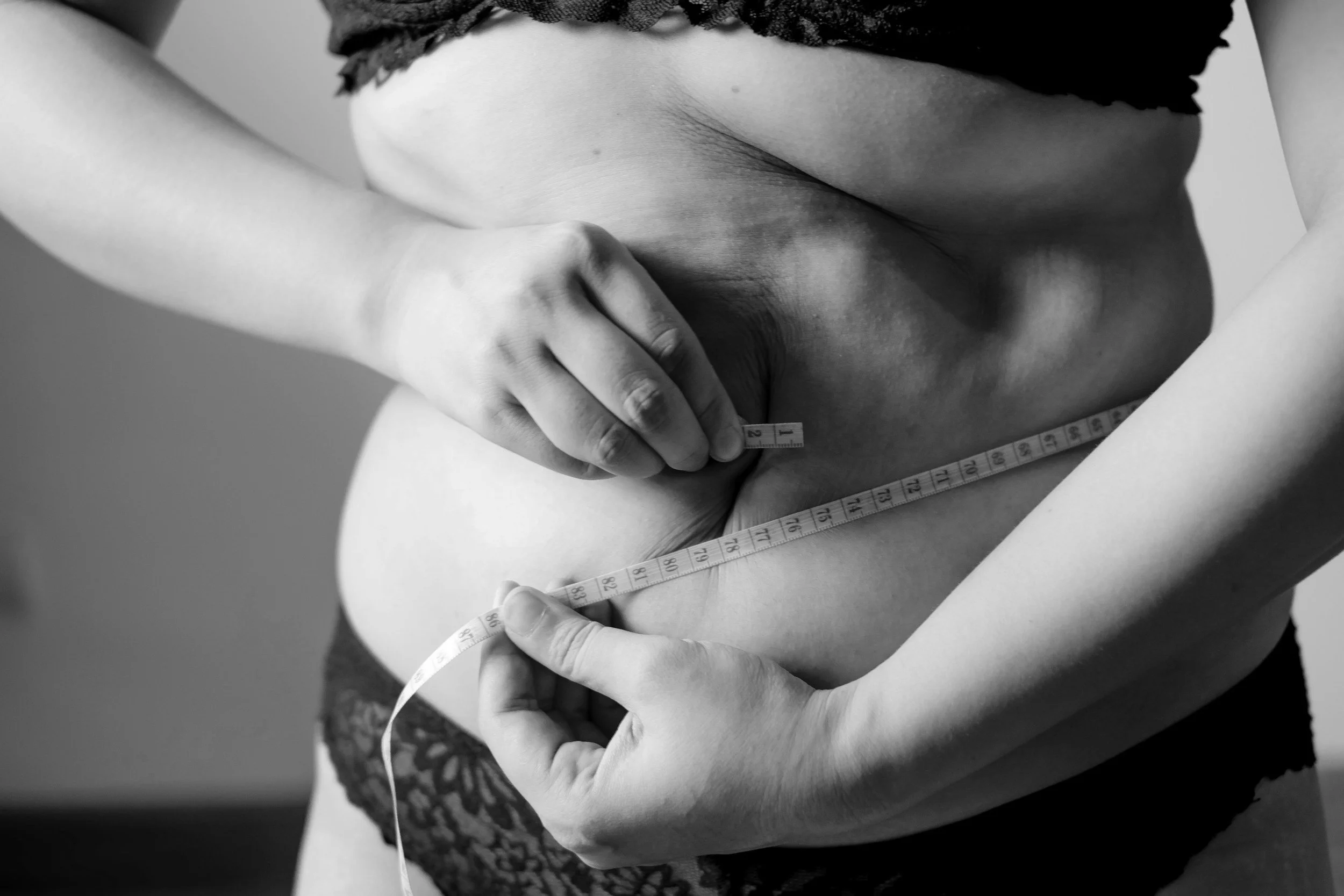
Losing weight doesn’t have to be complicated. Overfed and undernourished means that we are consuming too many high-calorie, empty-calorie foods and not enough low-calorie, nutrient dense foods.
Billions of dollars every year are spent by optimistic and determined people who are trying desperately to lose extra pounds. Why do we gain so much weight and why is it so hard to lose? As a dietitian I have helped thousands of people to try to eat better to lose weight. Throughout the past three decades so much new research has been completed and so much has confirmed what we already knew - that weight loss shouldn’t be so hard and sometimes keeping it simple is the best way to accomplish our goals.
What makes weight loss so hard? There are several factors that make weight loss hard but let’s start by understanding how weight is gained. Foods that are low in fiber and high in fat, simple carbohydrates and/or sugar can cause weight gain by providing too many calories and not enough fiber. Fiber slows the digestive process and allows us to feel full longer. A balanced diet has been preached for centuries. “Eat your vegetables!” was a statement that often fell on deaf ears. “Who would want to eat vegetables?” A diet of vegetables is something very few people would find appetizing. When I look at food, as a dietitian/nutritionist, I see the density of calories and the amount of fiber, first. Oftentimes the healthiest foods have the fewest number of calories and the highest amount of fiber - think carrots, green peas or broccoli. Fruit falls into this category too. Gaining weight in the western world of overconsumption can take one of two paths; the first is gaining weight slowly over years of consuming too many daily calories, the second is gaining weight by reducing overall activity. When we do both the weight gain comes quicker. Energy consumption and energy expenditure are like two ends of a teeter totter - if you balance intake and output (or burning the extra calories you consume,) the teeter totter stays balanced. Why do I mention how we gain weight, rather than spending time discussing how to lose weight? If you don’t understand how it happened, you might not understand how to reverse it.

Exercise, especially weight bearing to increase muscle mass, is a strategy for losing weight by increasing metabolism.
Let’s look at the act of gaining weight over many years – the accumulation of fat storage. This happens when we decide that we would like to eat foods that are rich in calories without thinking about the consequences. Some of our favorite foods are high calorie foods, such as, potato chips, French fries, fried chicken, macaroni and cheese, pizza, milk shakes, ice cream and cheeseburgers. Too many of these high calorie foods can add pounds to our bodies in the form of energy storage. What’s worse, since they have very little fiber, they may not fend off hunger as much as other foods do. Replacing high calorie foods with low calorie, high fiber foods is a great place to start. How much fiber is good? Consuming foods that contain 2-4 grams or more per serving is a great place to begin.
As we grow into adulthood some of us slow down and reduce our total energy expenditure. This change is most dramatic if we were once young athletes. Unless we keep that pace of activity up, we are no longer burning as many calories. This newfound sedentary lifestyle needs to be balanced with reducing your daily calorie intake. This is exactly where many of us err. We keep eating the way we did when we were burning 500-1000 extra calories per day. Another drawback to reducing exercise is that when activity slows and muscle mass is reduced, our metabolism (the rate at which we burn calories) slows. So not only are we not burning those calories while active, but during rest time we don’t burn as many calories, either. This is one of the many reasons why exercise (especially resistance training) is so important. If you are an athlete that had a terrible injury that you couldn’t recover from, or if you decided “no more exercise for me!” then all those extra calories consumed will be stored for later use.
https://my.clevelandclinic.org/health/body/basal-metabolic-rate-bmr
If you have ever known a hoarder, then you know someone who has accumulated too much stuff for no good reason. Our human fat cells are like hoarders; they don’t really have a limit to the amount of fat they can store. They can expand and store 50 times more energy than when you were at an ideal body weight. That is a huge reservoir of energy. What’s more, the human body likes to hang onto that fat storage just in case it needs that energy if or when a famine hits. This is when we tap into those stores for survival. Preventing weight gain can be easier than trying to lose it once it has been gained.
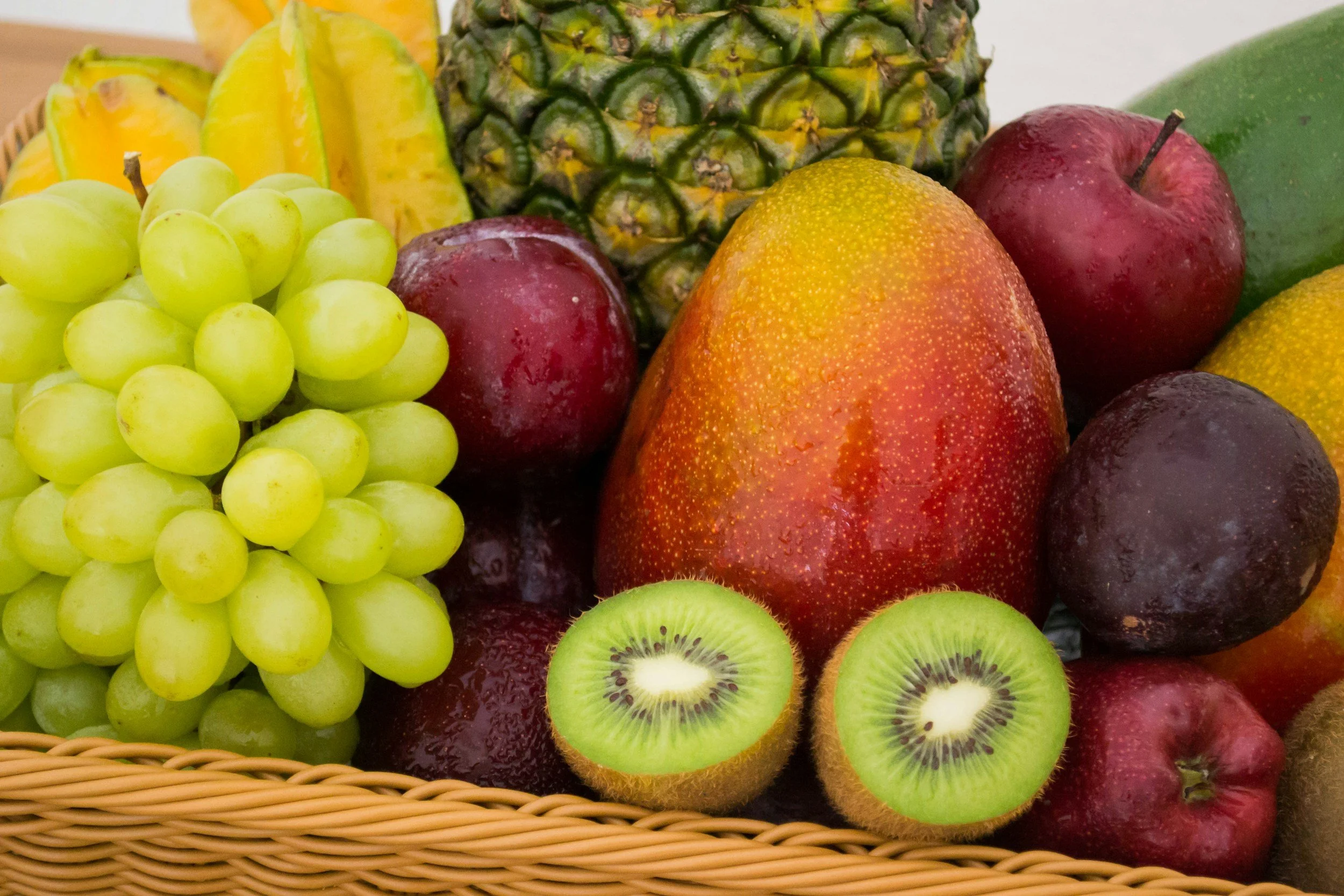
Adding fruit to your daily meals can increase fiber, nutrient density and assist in losing unwanted weight.
So, what is an overweight person to do? Besides consuming food wisely, the first step to reducing extra weight is to begin to exercise, or continue exercising if you are already doing so. If you haven’t exercised in a long time, begin with a daily 20-minute walk, then increase your time every week until you are exercising 1-2 hours a day. If you are unable to exercise at all, then the food you choose to eat is the only lever you are left with. After deciding on how much time you will spend on exercise, take a closer look at what you eat and what you drink. Create a diary of all the foods you eat and the drinks you consume. Label them as high-calorie foods or low-calorie foods. High calorie foods are usually anything above 200 calories per serving and low-calorie foods are 200 calories per serving or less. For example, a piece of cake is considered a high calorie food because one serving is usually 250-400 calories per serving. You can also label the foods and drinks you consume as high nutrient dense or low nutrient dense. Then try to eliminate or reduce the low nutrient foods and drinks, especially those that are high in calories. Most high calorie drinks are empty calories and should not be consumed often. An example of a high calorie, low nutrient dense food would be donuts or bagels. They are delicious and provide plenty of calories, but they don’t provide us with many nutrients other than carbohydrates, and a little protein. How does one determine whether a food is a high nutrient dense food, and therefore should be prioritized?
Leafy greens are a group of foods that are very nutrient dense, but also very low calorie. One cup of kale contains up to 30 calories and 2-3 grams of fiber. Spinach, romaine, arugula and other leafy greens fall into this category. Most vegetables have calorie counts that are less than 50 calories per serving and 3-4 grams of fiber, and most are very nutrient dense. Fruits may provide slightly more calories than vegetables do, but they are still below 100 calories per serving. Blueberries typically contain 80 calories per serving and 3 to 4 grams of fiber. Melon contains 60 calories per serving with 1-2 grams of fiber. Whole grain carbohydrates are good for you if you don’t go crazy eating too many servings. Whole grains are a great option, because they are typically nutrient dense if they include the bran and germ. Brown rice provides 160 calories and 3-4 grams of fiber per serving and oatmeal provides 200 calories with 4 grams of fiber. Legumes (beans, peas and soy,) are low calorie, low fat, high protein, high fiber (6 to 8 grams,) and nutrient dense. Some people have trouble tolerating legumes and/or soy, but if you can tolerate them, you should include them in your daily calorie intake.
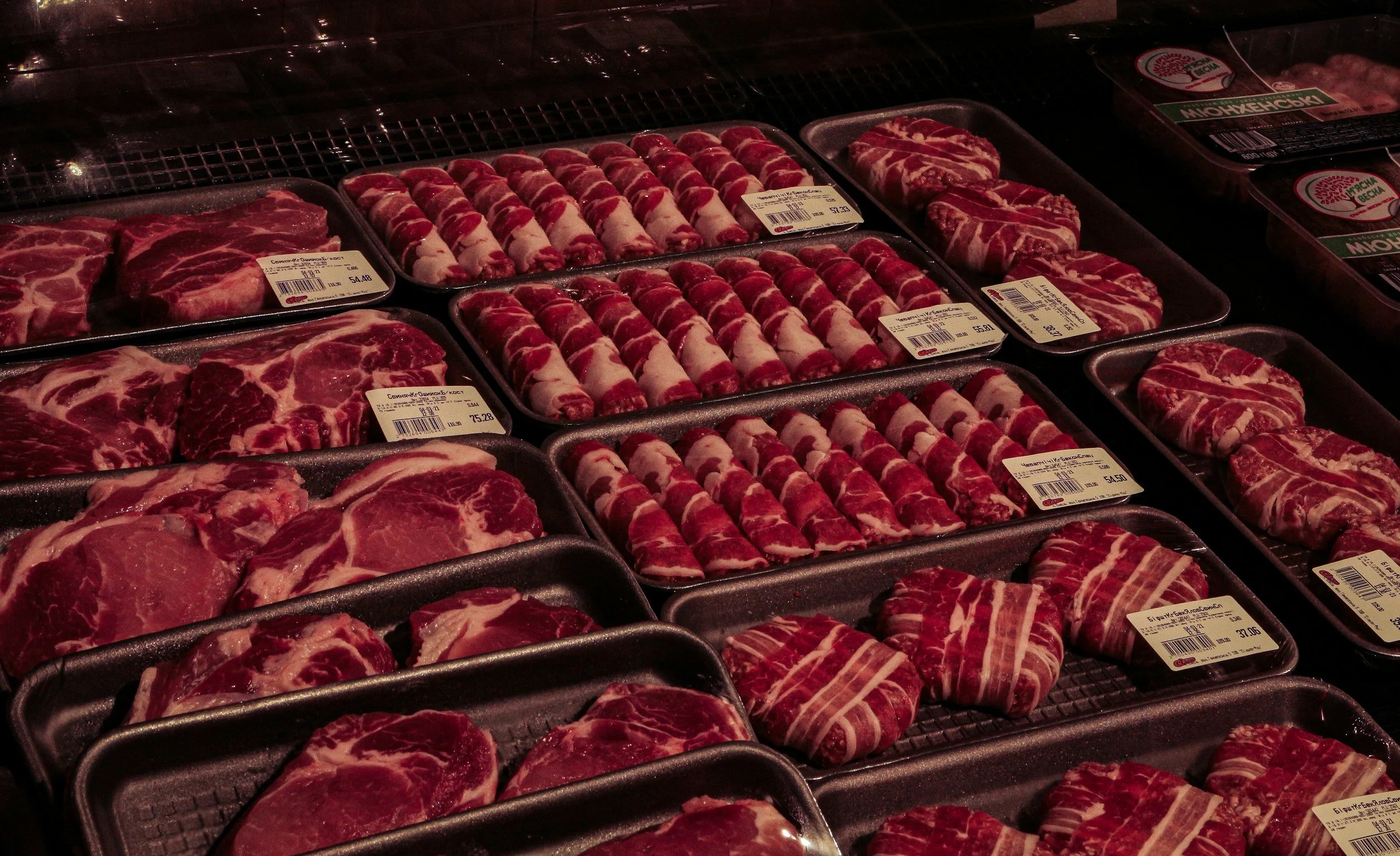
Adding meat is not the healthiest option for losing weight. Adding more fruits and vegetables is a better option.
Turning to meat and animal protein to lose weight has been popularized recently. This works for many reasons. The most obvious reason is that a heavy meat, low carb diet allows the body to rid itself of all quick energy stores (glycogen.) Each gram of glycogen stored is accompanied by 3 grams of water. Some studies have shown that this quick energy storage in the muscle and in the liver can represent up to ten pounds of quick energy storage. When you go on a carnivore or keto diet you will predictably lose 5-15 pounds very quickly. But the tradeoff is that the quick energy stores are gone. It would probably be very difficult for someone who follows such a diet to be able to exercise for an extended period of time, or be a long distance athlete. When the body needs glucose and the quick energy stores are gone, then the body taps into muscle and fat for energy. Some people who stick with this diet can lose a lot of weight. Weight loss at what cost though? High protein, animal sourced foods that are often pushed are also high in fat. Humans have no nutritional requirement for animal fat. When we eat too much of it, studies have shown that it can increase systemic inflammation and can clog our arteries. The American Heart Association recommends keeping saturated fat at 10% of total calories and if you are at risk for a heart attack or heart disease then you should cut it back to 6%. Since all animal sourced protein has now been determined to be optional and not nutritionally required for humans, it may be best for most people to cut back and replace these protein with plant proteins such as protein that comes from legumes, seeds and nuts.
https://www.nm.org/healthbeat/healthy-tips/nutrition/pros-and-cons-of-ketogenic-diet
Hormones play a role in weight maintenance. What we eat can influence the hormones that are released in our bodies at any given time. When we become hungry the hormone ghrelin is released. When we are full and no longer hungry the hormone leptin is released. After we begin to eat, the hormone insulin is released by the pancreas to manage blood sugar and signals satiety or fullness. PYY is released when food enters the small intestine and signals satiety. GLP-1 is a hormone that is released to signal satiety or fullness. One of the many reasons high fiber foods are so important in the human diet is because it can slow digestion. Subsequently it takes longer for fiber to move through the GI tract. If you consume sugary cereal you may begin to feel hungry an hour or two later. If you consume a breakfast of oatmeal, seeds, nuts and dried fruit, then you may not be hungry again for a few hours. Not only does fiber slow digestion but it also causes the release of GLP-1’s. Fiber rich foods are oftentimes nutrient dense foods, as well.
https://www.gastrojournal.org/article/S0016-5085(07)00575-6/fulltext
Weight loss does not have to be complicated. If you consume a balanced diet with the right number of calories and you add daily exercise, there is no good reason you cannot drop as many pounds as you want. For more information on how to balance your diet to promote weight loss, you can visit these helpful websites.
https://nutritionfacts.org/daily-dozen/
https://www.who.int/news-room/fact-sheets/detail/healthy-diet