

20. The Gift of Eyesight
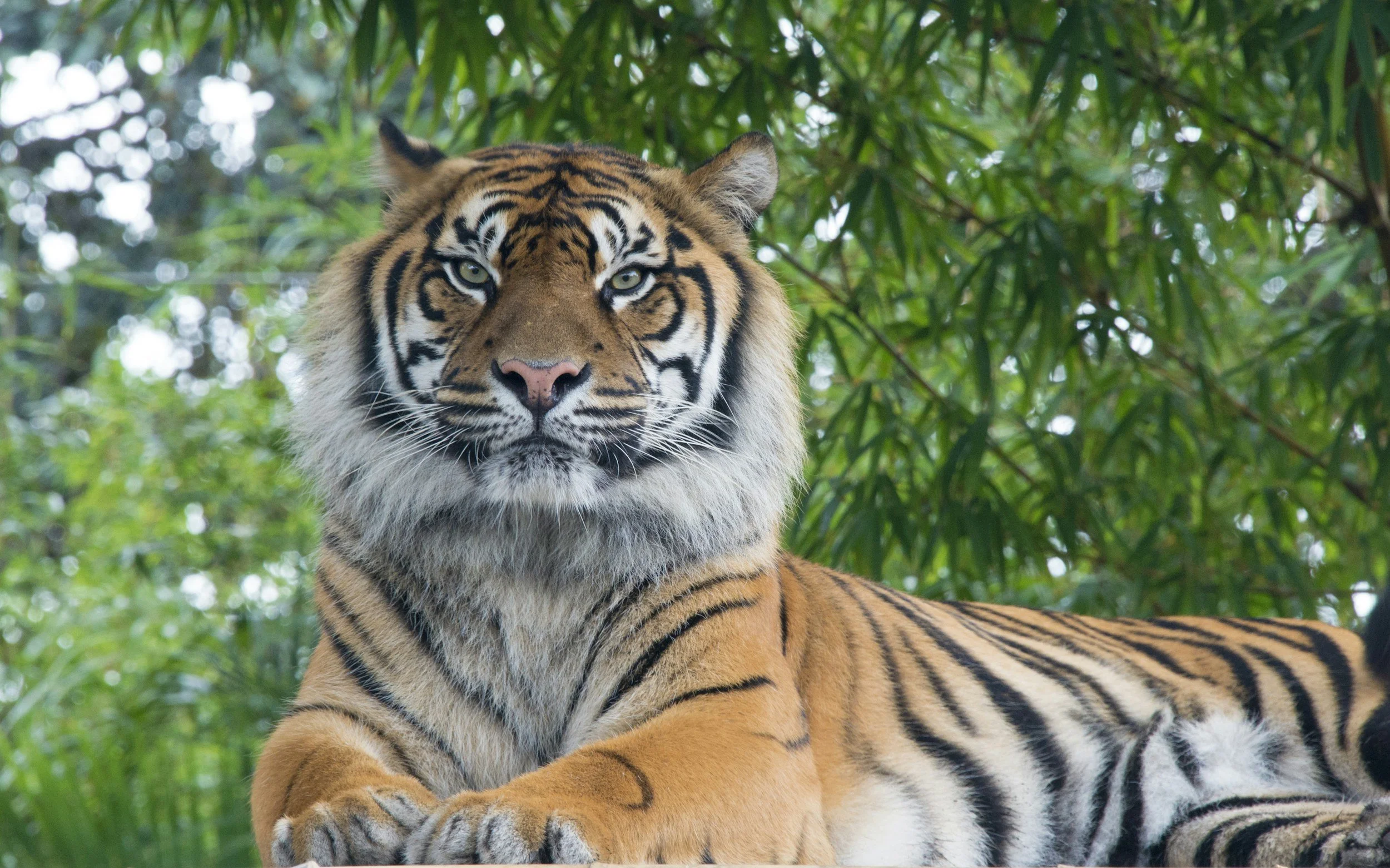
Tigers have amazing low-light vision.
Eyesight adds so much to our lives, yet most of us take it for granted. Eyes seem to get more attention than the function they provide. So many of the best songs in my lifetime have been about eyes. When I first heard the song, “Eye of the Tiger” written and sung by the rock band, Survivor, I thought it might have something to do with the incredibly good eyesight of one of the earth’s most fierce predators, the tiger. Although I now know that it is a figurative description and has more to do with a mindset of resilience, determination, and focus, than that of the eyesight of an actual tiger, I still wondered where the tiger falls in the eyesight ability category. As I became curious about the power of eyesight among other species I came across some incredible facts about animals that most people don’t know. I thought I would share them with you. “The eyes are the window to the soul,” as many people believe, but they also help us to see all the amazing things on earth that make life worth living. For some animals their eyesight is crucial to their survival.
So how well does a tiger see, anyway? Cats of any size have incredible vision. Researchers have found that tigers and cats, in general, have large pupils. Large pupils allow more light in and therefore improve low-light vision. Most cats can see about six times better than humans can, especially in low light – that is, at dawn and at dusk, and have the specific ability to notice movement. Cats only see well in blue and green colors. Pink, red and orange are more muted and hard to distinguish. Cats have a reflective layer behind the retina that show a glow in photographs. This layer called, the tapetum lucidum, helps the light reflect back for better vision. By comparison a human with perfect vision, has 20/20 acuity, while cats have an acuity of 20/100 to 20/200 meaning they need to be much closer to an object to see it clearly. Their herculean ability lies mostly in their ability to see in the dark. As amazing as a cat’s ability to see is, there are other animals that are just as incredible. Although a tiger sees well in low light, they are not the best when it comes to eyesight.
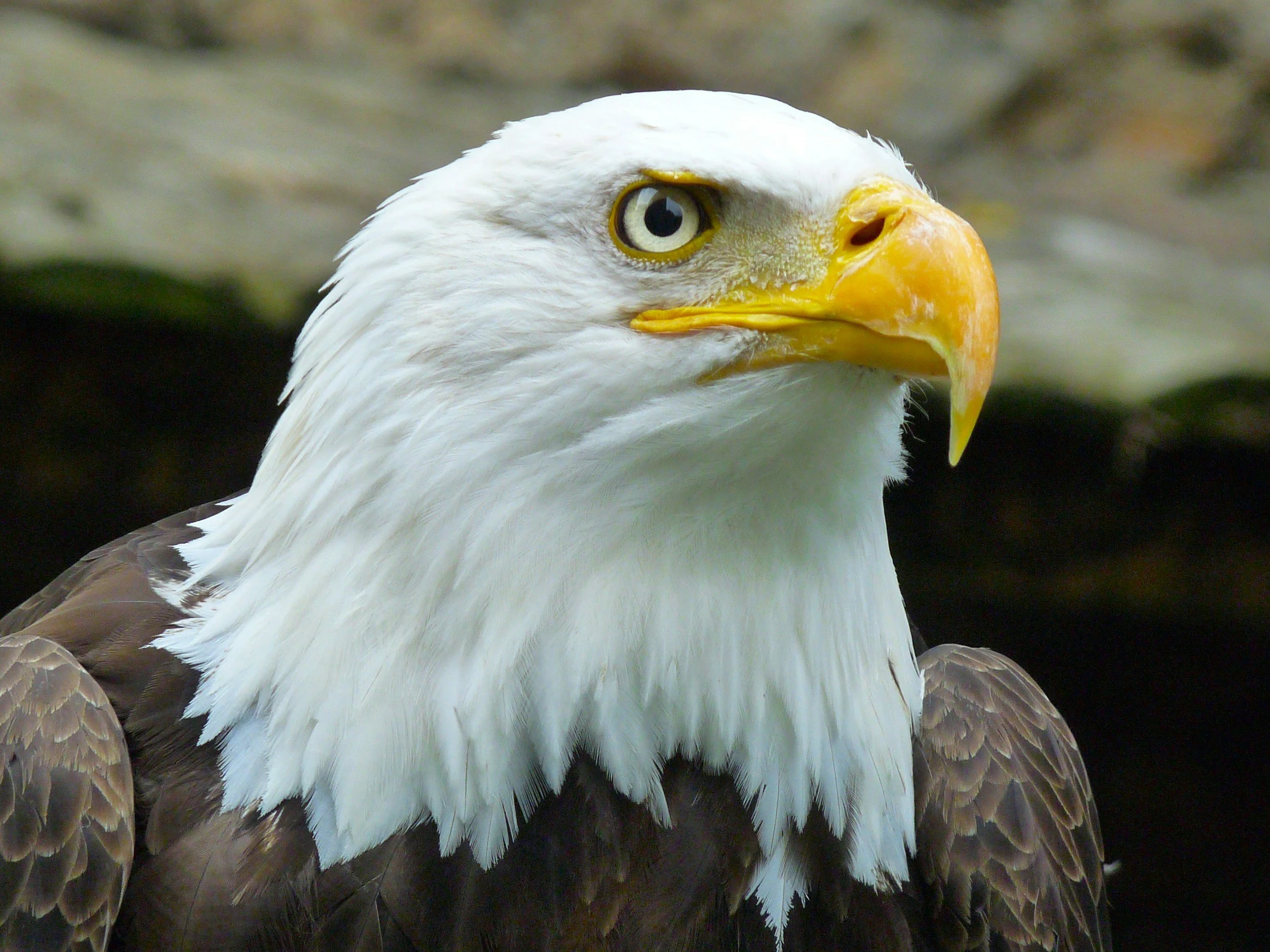
No animal on earth has better daytime vision than the eagle.
The animal that has the best eyesight on earth is the eagle. Eagles have the best distance, daytime vision. Having an eagle eye clearly means your eyesight is top notch. How well can an eagle see? An eagle has the acuity of 20/5 to 20/2.5 vision and can see prey from two to three miles away. Their vision is unparalleled in the animal kingdom and is 4-8 times stronger than a human’s – that is, compared to a human who has perfect 20/20 vision. What’s more, the eagle has a panoramic view up to 340 degrees due to the angle and placement of their eyes. They can see a much wider picture and more colors than humans can. What makes their eyes so exceptional is the concentration of the rods and cones in the retina. Do other raptors have similar eyesight abilities? Hawks, falcons and owls have exceptional eyesight, as well. Owls hunt at night and therefore, have eyesight strength in dimmer light.
Owls have the best night vision in the land animal kingdom. Just like the other land raptors, owls have a concentration of rods and cones that allow better acuity. They also have large pupils that allow more light to enter allowing them better night vision. Hunting in near darkness is their greatest strength. An owl’s eyes are fixed and peer straight ahead. What makes owls unique is that although their eyes are not positioned for a panoramic view, their head is on a swivel, and they can move it quickly to cover a large range of nearly 270 degrees. Owls are like humans in that their vision from each eyeball overlaps and allows for a binocular type of vision. This gives them stronger depth vision. Although owls are known for being nighttime hunters, some species are more active in the daytime. Researchers believe that owls that have dark eyes are more active at night and owls with golden or orange-colored eyes are more active during the day.
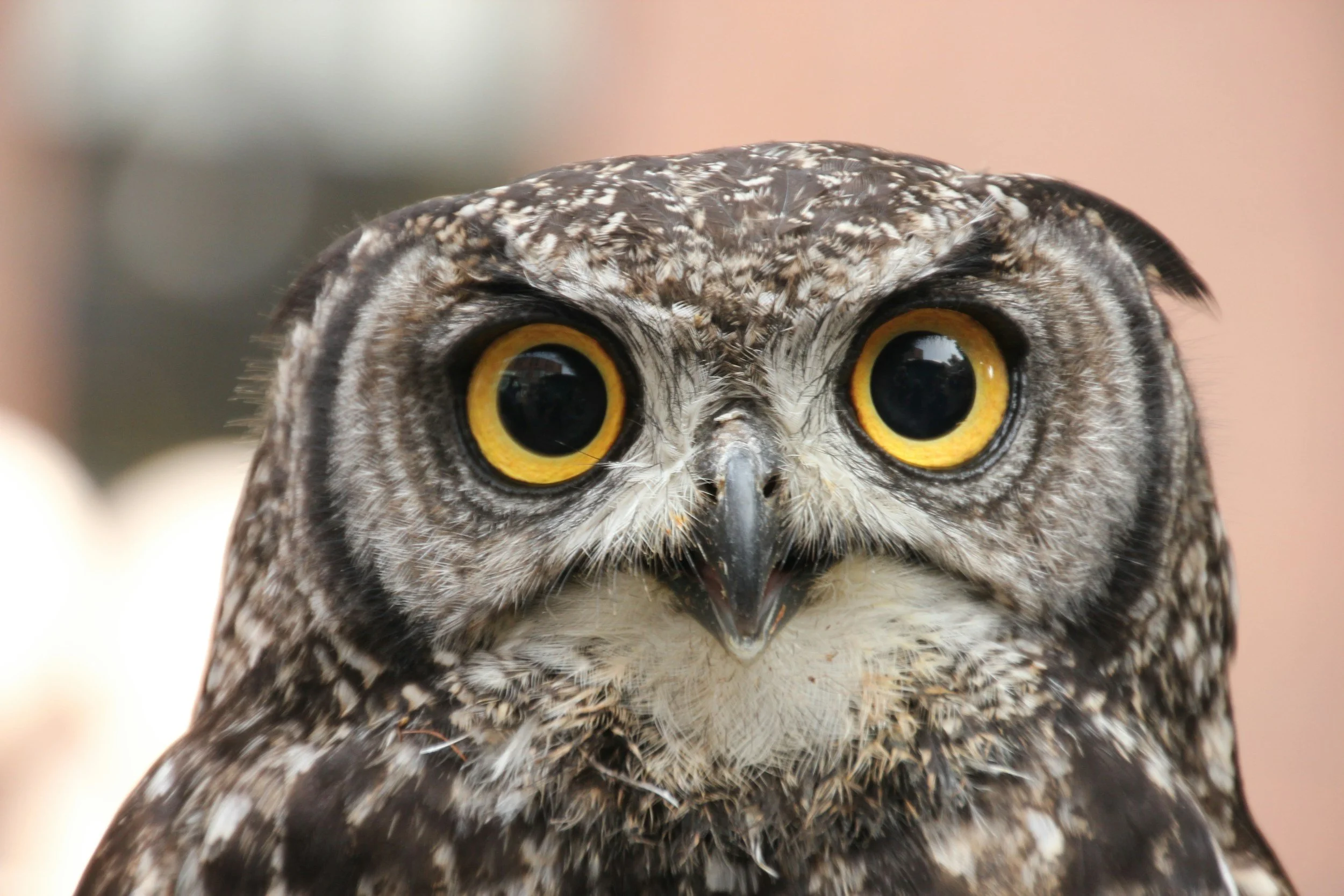
Owls have the best night vision of all the animals on land.
https://abcbirds.org/news/owl-be-seeing-you-amazing-facts-about-owl-eyes/
https://a-z-animals.com/blog/animals-with-the-best-eyesight/
Eagles, hawks, falcons and owls are amazing animals that are fascinating to watch when you are lucky enough to observe them in nature. But just like land animals, birds are in trouble. They are losing their habitats quickly, just as other land animals are. As a result, their numbers have dropped, dramatically. If we love these birds, we must do more to reduce their suffering and stop their demise. Climate change and agriculture expansion has increased the likelihood for more species extinctions. Pesticide and herbicide use has also increased the likelihood that birds will be poisoned or at least have their health put at risk which includes interference in reproduction. They are really too valuable to allow to perish.
What other animals have great eyesight? Deep sea fish are another group that have incredible eyesight. Some can see in complete darkness. What’s most fascinating about them is that many deep-sea fish can create their own light through bioluminescence. Thousands of creatures can create their own light including some types of shrimp, squid, jellyfish and the lantern fish. Does this ability to glow allow for better vision? Yes, but seeing in the deep, dark ocean without needing this light up close is a characteristic that sets some apart. The retina of the spinyfin fish contains opsin proteins that are more sensitive to the faint light that is given off by those who glow. Low light sensing rods are responsible for capturing light in ocean depths as low as 1000 meters.
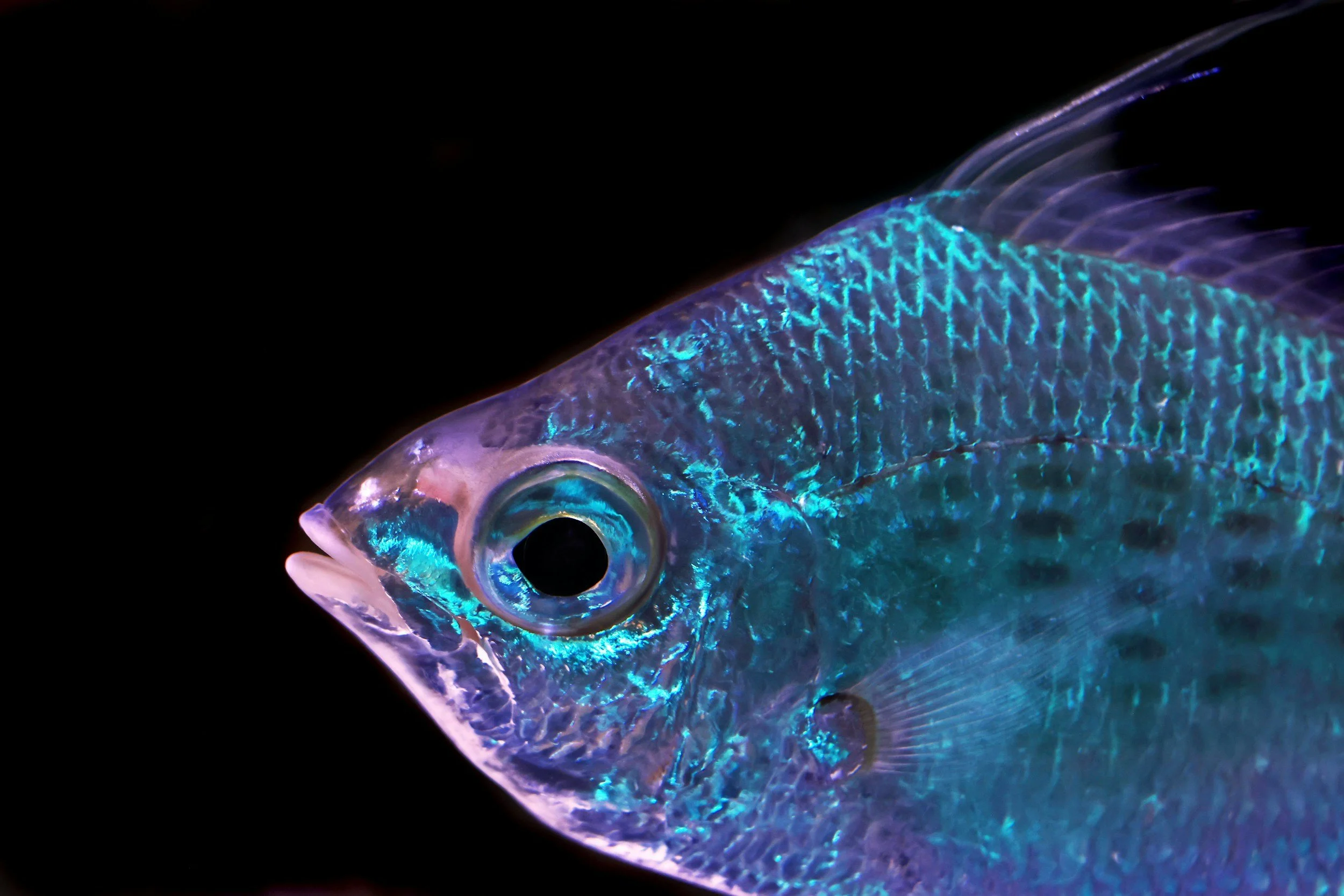
Bioluminescence in deep sea fish help them sea in the twilight zone of the ocean.
https://www.nhm.ac.uk/discover/what-is-bioluminescence.html
https://www.science.org/content/article/deep-dark-ocean-fish-have-evolved-superpowered-vision
Other animals with exceptional eyesight include wolves, foxes, raccoons, porcupines, frogs and cockroaches – all have exceptional night vision. So many night predators have incredible eyesight – without it they might have trouble surviving. Although exceptional vision at night is an incredible feat, are there any other daytime creatures that are remarkable?
Chickens may not seem like an exceptional animal. Afterall, they are one of the most disrespected and abused animals on earth – mostly because we only think of them as a meal and not as individuals with special gifts. But their fantastic eyesight sets them apart. Chickens have remarkable daytime vision. They have color vision well beyond what a human can see. Researchers have learned that they have a patterned mosaic of cones in the back of their retinas that are organized and specialized to see far more vibrant color detail and variety than humans. They also have a 300-degree panoramic view due to the placement of their eyes. Chickens have more cones for viewing vibrant color - they also have more types of cones. I do wonder what it would be like to have eyes that have the ability to see such vivid color. It sounds silly, but imagine if a chicken could paint a picture using its incredible color wheel – what a masterpiece it would be. Chickens use this incredible sense of vision for survival. They are able to see tiny insects in the tall grass and pick them up for a snack or a meal.
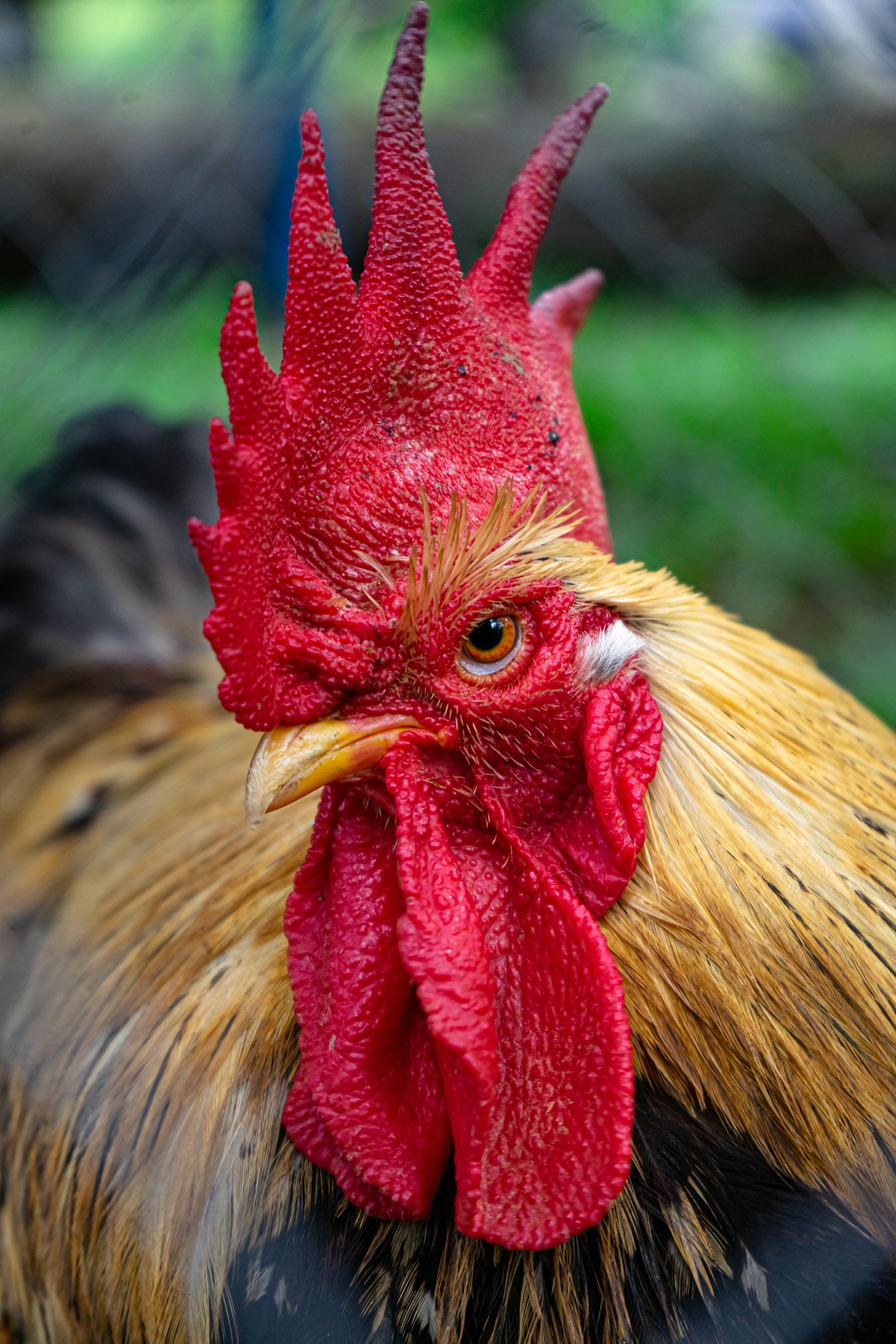
Chickens can see far more vivid colors than humans.
As you can see, so many animals have special gifts and are created with all sorts of amazing traits. Part of loving them and respecting them is learning about them and realizing that all animals possess unique abilities that humans should acknowledge. I cannot imagine life without the variety of birds, animals, and fish that inhabit this earth along with us. Instead of treating them as if they are replaceable and not worthy of living comfortably, we should take a step back and realize that we, humans can live a healthy life without exploiting them and without eating them. We now need to buckle down and defend them, allow them freedom, and allow them to thrive. Humans are doing the opposite right now. The cost in the end will be enormous to the birds and to us. So many species have already reached extinction. Will we keep allowing other species to follow the same fate? We have the freedom to choose which side we would like to be on. Will we choose the side with the solution, or will we continue to be part of the problem?
If you are wondering how you can help, The Nature Conservancy is a great place to begin your journey to help preserve the existence of birds of all kinds.