

27. Omega-3: The Most Misunderstood Fat in the World
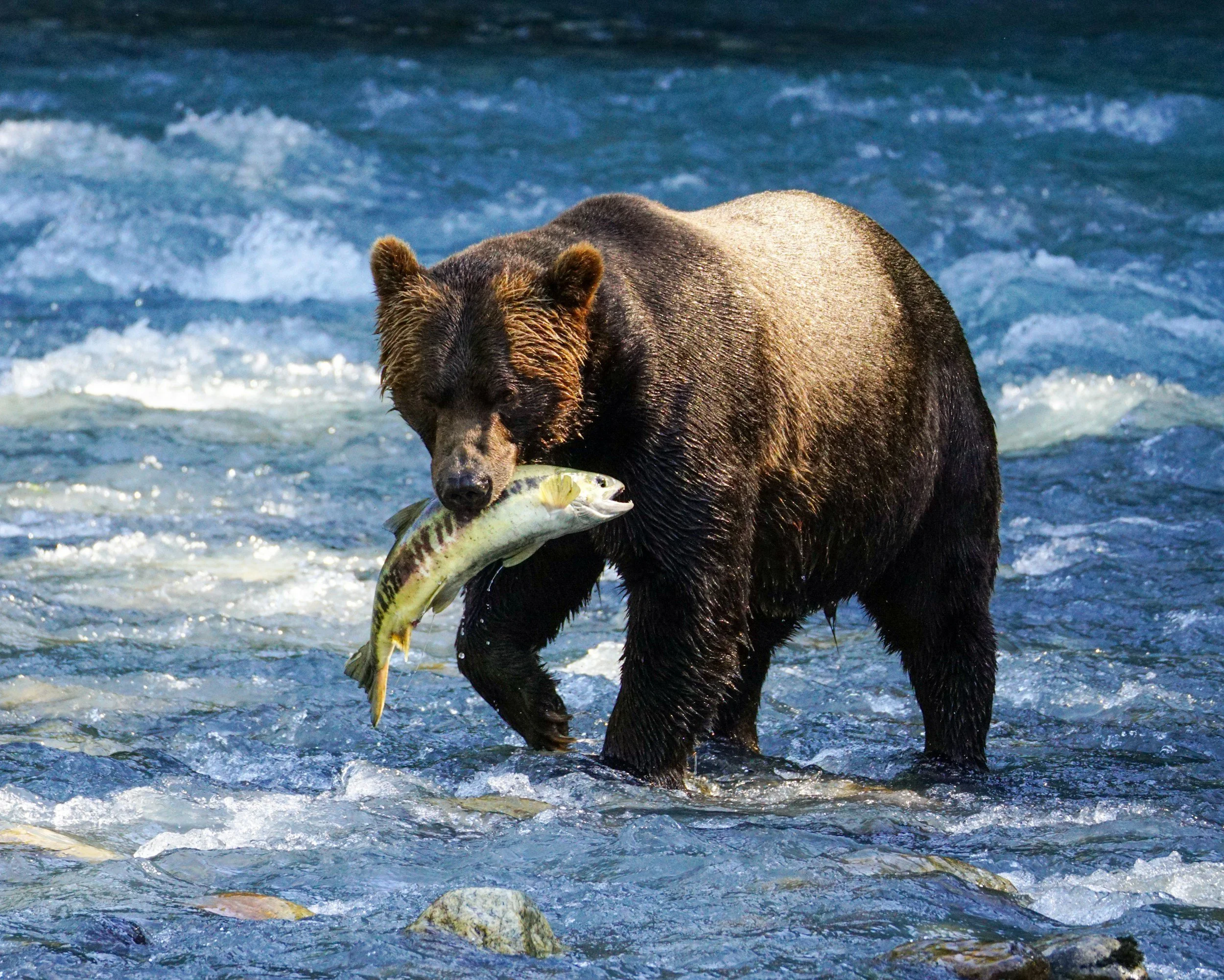
Omega-3 fatty acids are essential in our diet, but are fish the only source?
Omega-3 fatty acids are dietary fats that are essential for human health. Their cousins, omega-6 fatty acids are also essential. Essential, meaning we must consume it, because our bodies do not make it. Two things to remember about omega-3 fats, 1. It doesn’t just come from eating fish, and 2. You don’t need to consume a lot of it to be heathy. Fun Fact: Fish need to consume it too, their bodies don’t manufacture it, either. Fat consumption is crucially important for optimal health, especially the essential ones like omega-3 and omega-6 fatty acids. However, overindulging can be just as detrimental as not consuming enough. Some people think you must consume fish to get enough omega-3 fats. Fish do have a good supply of omega-3’s, especially fatty fish, like salmon, herring and mackerel. However, fish are great sources of this fat because they eat a lot of seaweed and algae, or they consume other fish who consume seaweed and algae – the primary source of omega-3 fatty acids. The advertisements of omega-3 fatty acids in fatty fish are most likely why the consumption of salmon has gone through the roof. Trillions of fish killed and eaten annually simply because people need a fat that comes from plants. Cutting out the middleman would be the perfect solution to ending so much death and destruction, simply because we need one fatty acid.
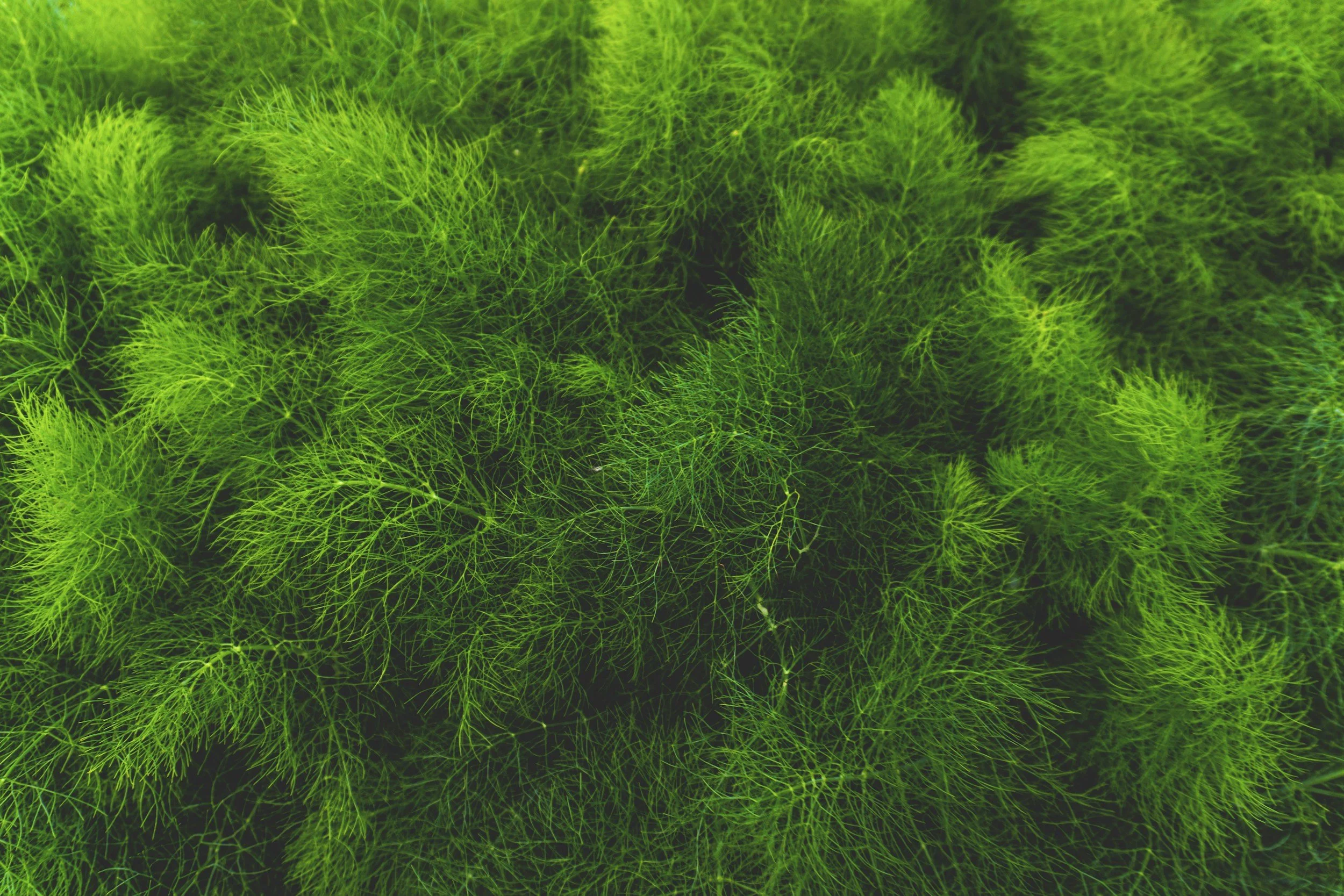
Algae is not only a great source of omega-3 fats for humans but it is the main source of this important fat for fish.
Our requirement for omega-3 is limited - we don’t need much to be healthy. Some estimates place this requirement at 1-2 grams daily. Ideally, omega-3 fatty acids need to be in balance with omega-6 fatty acids for optimal health. A ratio of omega-3 to omega-6 should be around 1:1 up to 1:4. Most Americans consume far more omega-6, some estimates put it around 1:15 up to 1:25. So we may have a fat problem along with an omega-3 problem. Sources of omega-6 include vegetable oils, seed oils, seeds and nuts. Some experts have proposed cutting omega-6 fatty acids out as much as possible, since they are eaten so commonly and they are involved in the human body’s inflammatory response. This is where the “Don’t Eat Seed Oils!” argument comes from. Omega-6 fats initiate inflammation and omega-3 fats keep it under control. They work in harmony together. Prostaglandin production cannot function without omega-6 fatty acids, so cutting them out doesn’t make sense. The human immune response to injury is important and shouldn’t be dismissed. However, in general, Americans do need to consume more omega-3 to correct the balance and less omega-6.

Cellular and systemic inflammation is kept under control by omega-3 fatty acids.
Omega-6 and omega-3 fatty acids are both sourced from plants. Fish are a reservoir for omega-3’s. Are there other sources of omega-3 fatty acids besides fish? Yes, there are 3 types of omega-3 fats; alpha-linolenic acid (ALA,) eicosapentaenoic acid (EPA,) docosahexaenoic acid (DHA.) ALA is sourced mostly from seeds and nuts and vegetable oils. Some experts describe ALA as the omega-3 form that is sourced and found mostly in plants. Although oils like canola and soy contain ALA they do not have nearly as much as flax seeds and walnuts. The problem with getting omega-3 fats from flaxseed or other seed or nut sources is that the conversion rate to the more active forms of EPA and DHA is minimal, estimated around 15%. Some studies have shown no significant conversion to the active forms of omega-3 (EPA and DHA,) from ALA. So, what is a vegan to do? Go to the sources that the fish go to. We live in a time when almost every mineral, vitamin and nutrient can and has been manufactured in pill form. This does not always make it the best choice, since food is where we need to find most of our nutrients. However, algae and seaweed both produce enough EPA and DHA omega-3 fats that fish can accumulate this beneficial fat in their bodies, and so can humans. Therefore, if buying and consuming algae or seaweed from the grocery store is not for you, then an algae sourced omega-3 supplement is readily available for your consumption. The silver lining is that no animal or fish has ever been needed to be killed for humans to survive and thrive.
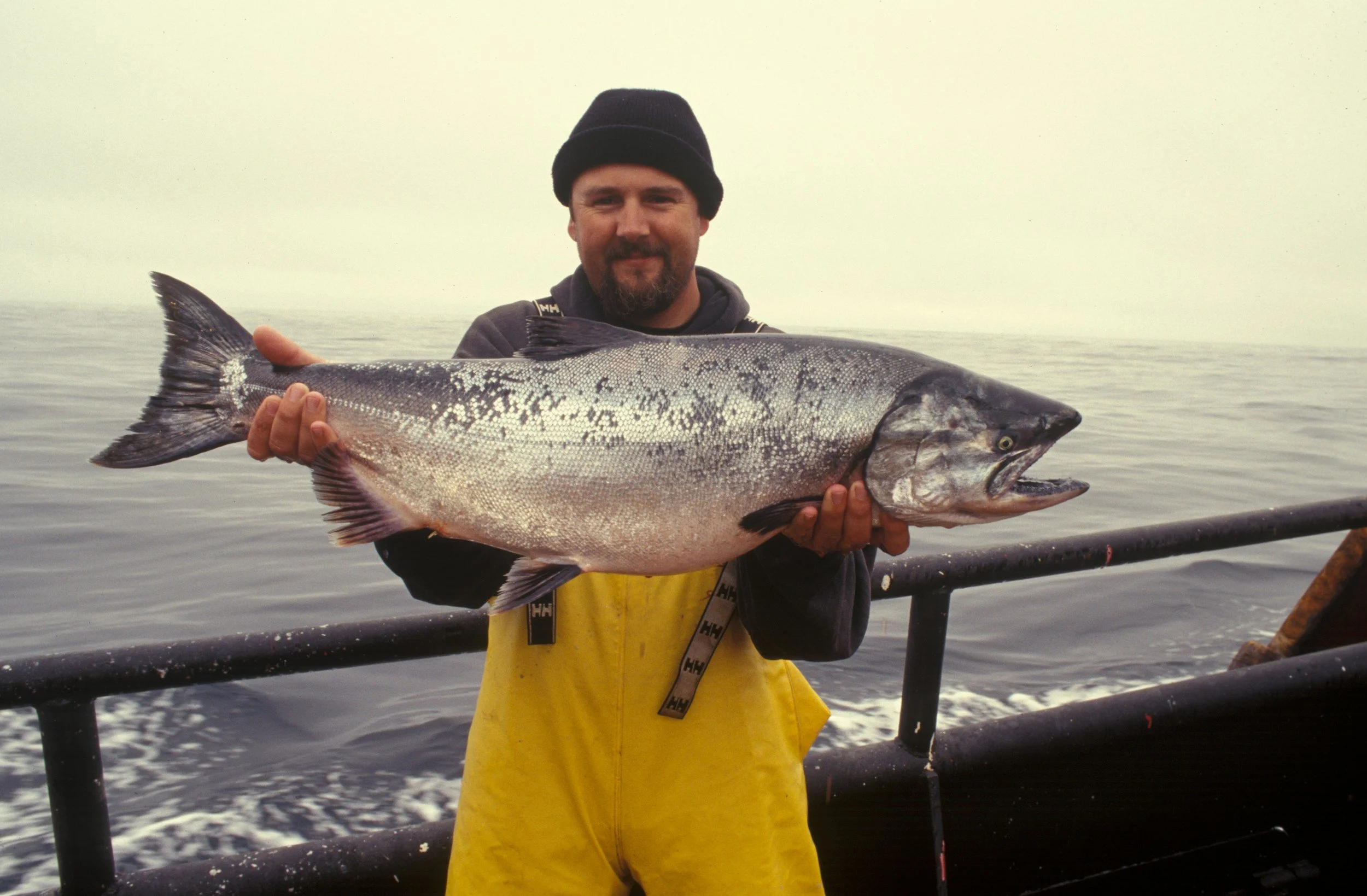
Trillions of fish in general and 100’s of millions of salmon are killed every year for human consumption. We must find a way to stop or at least cut back before it is too late.
Are all omega-3 polyunsaturated fatty acids created equal?
https://pmc.ncbi.nlm.nih.gov/articles/PMC3224740/
Omega-3 fatty acids have many functions. The first most obvious function is that it is a powerful anti-inflammatory fat. And there is some proof that it can lower the bad cholesterol, LDL. A balanced omega-3/6 ratio can keep inflammation in balance and reduce triglyceride formation which can lower the incidence of atherosclerosis. Due to a more measured inflammatory response, omega-3 fatty acids could play a part in cancer initiation and cancer prevention. Omega-3 fats are an integral part of the cell membrane integrity and help maintain this important barrier.
Seaweeds as Valuable Sources of Essential Fatty Acids for Human Nutrition
https://pmc.ncbi.nlm.nih.gov/articles/PMC8124752/
The complete guide to omega-3-rich foods and their benefits
https://www.medicalnewstoday.com/articles/323144#summary
Most people think that eating lots of fish daily/weekly is not only healthy for humans, but it is essential and therefore, we do not think further about the consequences of our actions. A closer look at what humans are doing to fish stocks around the world would be prudent. Since salmon is one of the most advertised sources of dietary omega-3 fats let’s look at who produces the most salmon and then who imports this product. Norway produces and exports the most salmon worldwide of any nation by far. They export close to half of all salmon. Norway uses two methods of exploitation – wild caught salmon and aquaculture or farm raised salmon. Most people in North America don’t look at the source nor care if the fish was raised in free waters or had been forced into a crowded aquaculture. Fun Fact: the United States has placed a moratorium on commercial fishing of Atlantic Salmon due to population collapse while importing mostly farmed fish for consumption. Across the pond in Europe most Atlantic salmon are raised in farms where they are crowded and swim in circles. If we asked the fish which life they would rather have, I am guessing they would say a free one. If you look at the numbers of harvested Atlantic salmon from 2000 to 2025 you would find a drastic change in production. In 2000, 894 metric tons of farmed salmon were sold compared to 3,120 metric tons in 2025. One of the saddest things about this industry is that a tiny fatty acid that comes from algae has jump started an industry that is not sustainable. Salmon are cold water fish. The Atlantic waters are warming. Salmon don’t always do well in crowded scenarios. Many die before they even get to slaughter and they live in captivity a fraction of their natural born lives because HUMANS NEED OMEGA-3’s!! Wild salmon can live up to 8 years vs farmed salmon live up to 2-3 years.
Let’s look at the ethics of fish farming since its production is eclipsing that of fresh fish catch. When you are producing millions or trillions of fish in a short period of time and have limited space, the waste can be enormous. Dead zones of natural and beautiful habitats are being destroyed. Pollution is growing exponentially and the clean-up crews are scarce. Just like land farming, I often ask, why are we doing this when we don’t need to? Because humans want what they want and they won’t settle for the word NO? Is this really the only logical reason? Some aquacultures or fish farms have the same problems with overcrowding that farmed animals on land have – creating a breeding ground for microorganisms like sea lice, increased antibiotic use to prevent illness caused by overcrowding, and waste contamination. If wild caught fish are healthier and are living in cleaner conditions, then why have humans resorted to fish farming? We have depleted the seas to a point where it has become expensive to search for fish to catch. Aquacultures remove the hunting portion of the industry and allow for full control. Humans have discovered that if you give animals and fish the least amount of land and the cheapest food, then your profits go up. Aquaculture or fish farming creates a very controlled environment for profit. One of the many problems with profitable businesses is that the environment that is destroyed is never a priority unless there are regulations. The fallout tends to be so massive that nobody wants the responsibility for the cleanup.
With so many people on earth needing to be fed, humans must start caring by foregoing or passing up the food that is so much harder and expensive to grow and try to transition to food that is less environmentally destructive. Growing organic legumes, squash and corn and algae, for example, uses far less water, destroys far fewer beautiful natural environments and reduces animal death counts, drastically. It also allows more people to have food – reducing the number of starving people in the world. More trees can be planted in the spaces that have been used to grow food for the animals. And if we are lucky, we can get back to a time and place when greenhouse gases are no longer a problem because our priority of carbon absorption by having more trees has been realized - maybe we can turn back the clock on global warming. The choice is ours; we must choose to be part of the solution and reject being part of the problem. The animals and fish will thank you.
If you would like to learn more about overfishing and how it has had a negative effect on the oceans, please see link below for more information.
Collapsing Fisheries – Have We Reached the End of the Line?
https://oceaneos.org/state-of-our-oceans/collapsing-fisheries-examples-of-different-species/
Salmon Industry Statistics & Facts
https://www.statista.com/topics/7411/salmon-industry/?srsltid=AfmBOooVoP9e5FvQ0I7o92qCfsFU4eaSxMDgAqyRR35XkdiSIcV1OfdV
Production of farmed Atlantic salmon worldwide from 2000 to 2025
https://www.worldstopexports.com/top-salmon-exports-imports-by-country/
Warming Waters Challenge Atlantic Salmon, Both Wild and Farmed
https://e360.yale.edu/features/salmon-farming-climate-change
Farmed Salmon
https://www.worldwildlife.org/our-work/oceans/sustainable-seafood/farmed-seafood/farmed-salmon/