

28. Overfishing: What is a Fish Eater to do?
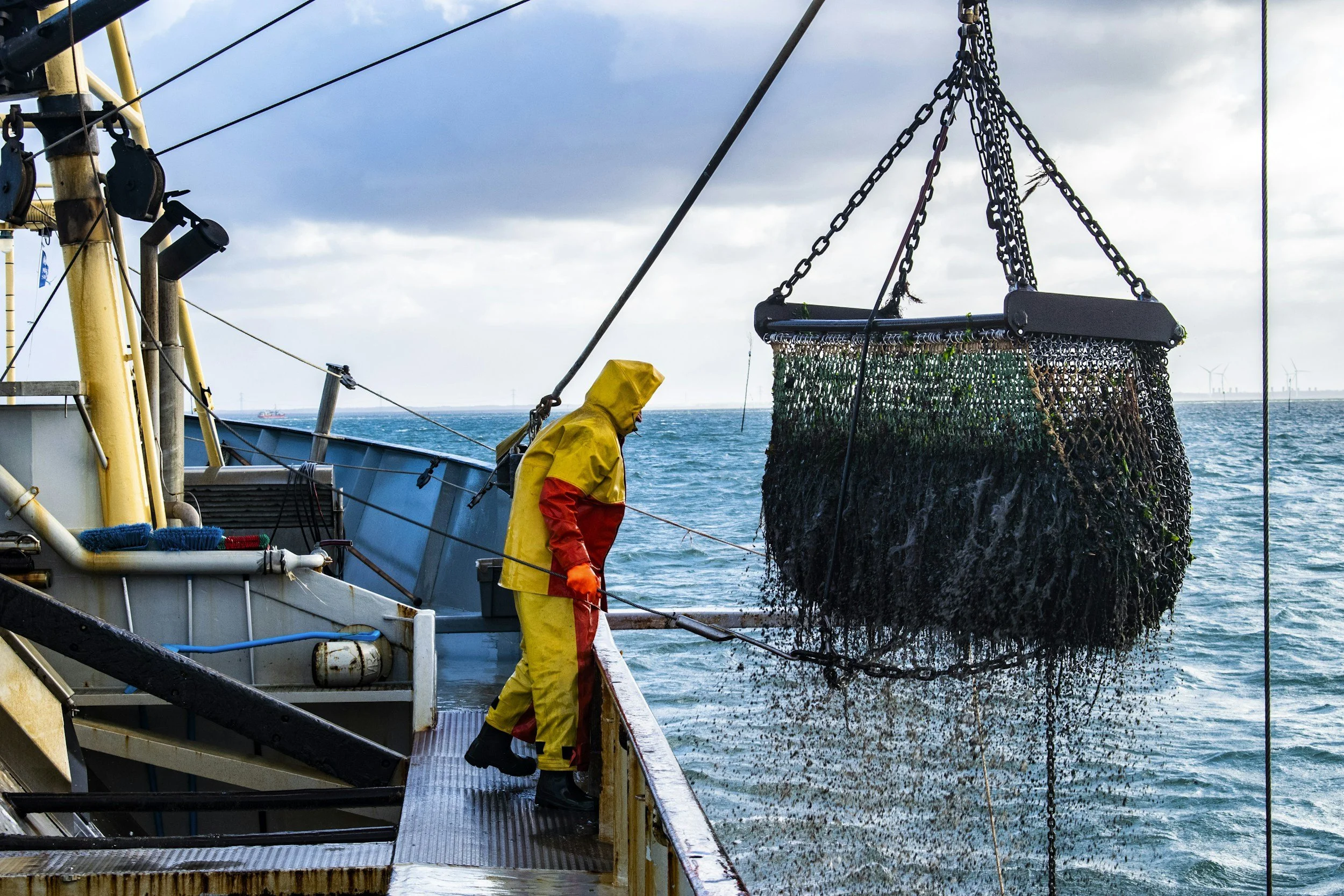
Overfishing has resulted in at least 1/3 of all fishing stocks worldwide to be reduced to unsustainable levels.
Overfishing is a threat to human existence, but it is a more crucial threat to the oceans and seas where the fish live. Ecosystems need everything in balance to be sustainable – to be able to continue to exist in a healthy state. But what exactly is overfishing and what can we do about it? Overfishing is defined as fishing to a point when there are not enough fish left to reproduce to maintain a population. Many places in the world are experiencing overfishing along with rising temperatures of the seas they live in. Both can create stress for the surviving fish, and dead zones.
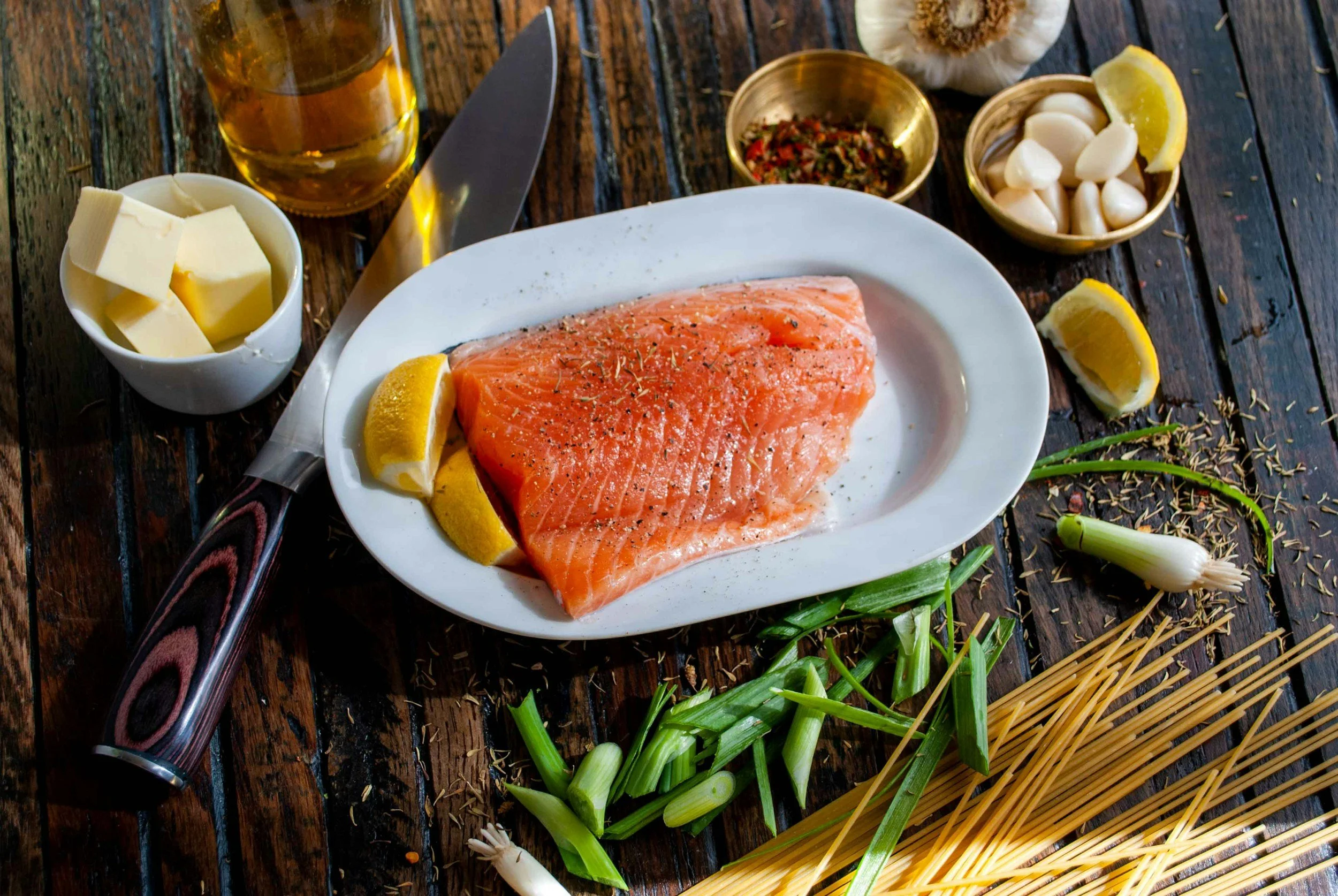
Fish like salmon are more than just a piece of food for humans.
Most people think of fish as a food item and don’t really view them beyond this purpose. But fish have a function in ecosystems to maintain equilibrium and are a big part of the sustainability of our ocean and lake food chains. Phytoplankton, sea grass and algae convert carbon dioxide and sunlight into food for small fish - they make up the foundation of the food chain in the sea. Small fish are eaten by larger fish and larger fish are eaten by the largest fish in the sea. When people tap into these populations they upset the availability of food for the fish in the sea. We can learn from past experiences that when we upset the food chain bad things can happen.
In the late 1980’s and early 1990’s zebra mussels were released into the great lakes by ships coming from Eurasia. These zebra mussels had voracious appetites, and they ate all the phytoplankton they could find. They also had the ability to replicate and populate very quickly overwhelming the ecosystem. They thrived in the big lakes, rivers and small lakes. This in turn caused the collapse of many indigenous fish including the freshwater clam and native mussels. Filtering out algae and making waterways clear was a hallmark of their invasion. But clear water tends to mean nutrient-scarcity for small fish. Upsetting ecosystems by mistake or on purpose can have devastating effects. Nature is very good at controlling itself. People sometimes need to take a step back and allow nature to manage itself.
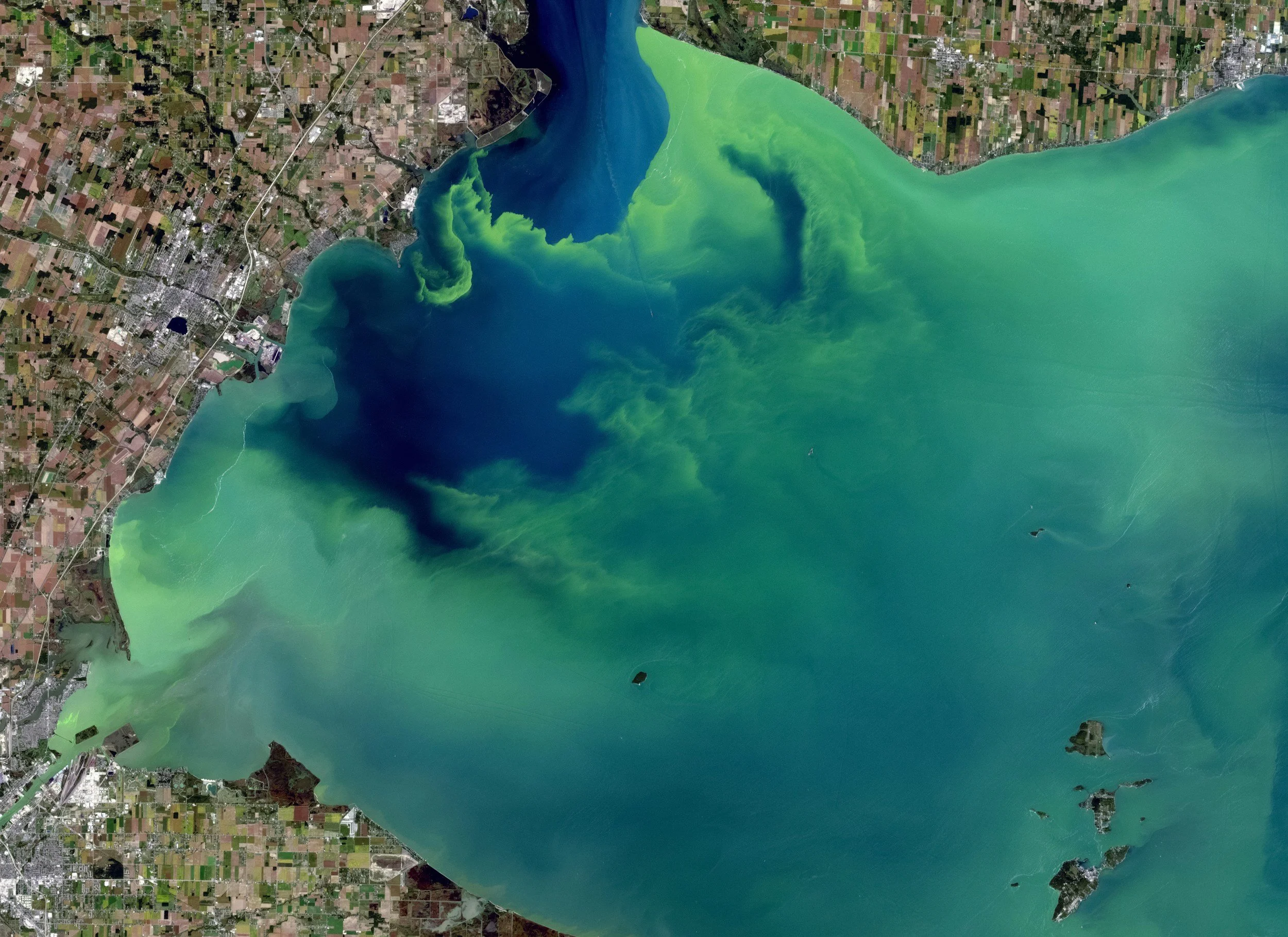
Algae blooms are typically man-made and are toxic to fish.
Yet another example of upsetting an ecosystem includes algae blooms. Algae blooms from too much phosphorus or nitrogen in the water can overpopulate the algae to toxic levels. A little bit of algae under control is a good thing, too much can be toxic. Algae blooms are caused by phosphorus and/or nitrogen runoff or the accumulation of these substances in water. When algae growth gets out of control, the result can be a massive fish die off, and this can cause dead zones.
The food chain in small lakes and large oceans depends on the foundation of food to maintain life moving up to the largest apex predators in the oceans like sharks and whales. These animals cannot survive if they have no food. When people overfish the seas, they are upsetting the food chain for all sea creatures. Taking responsibility for our actions and creating an environment where all can survive and be happy should be our goal.
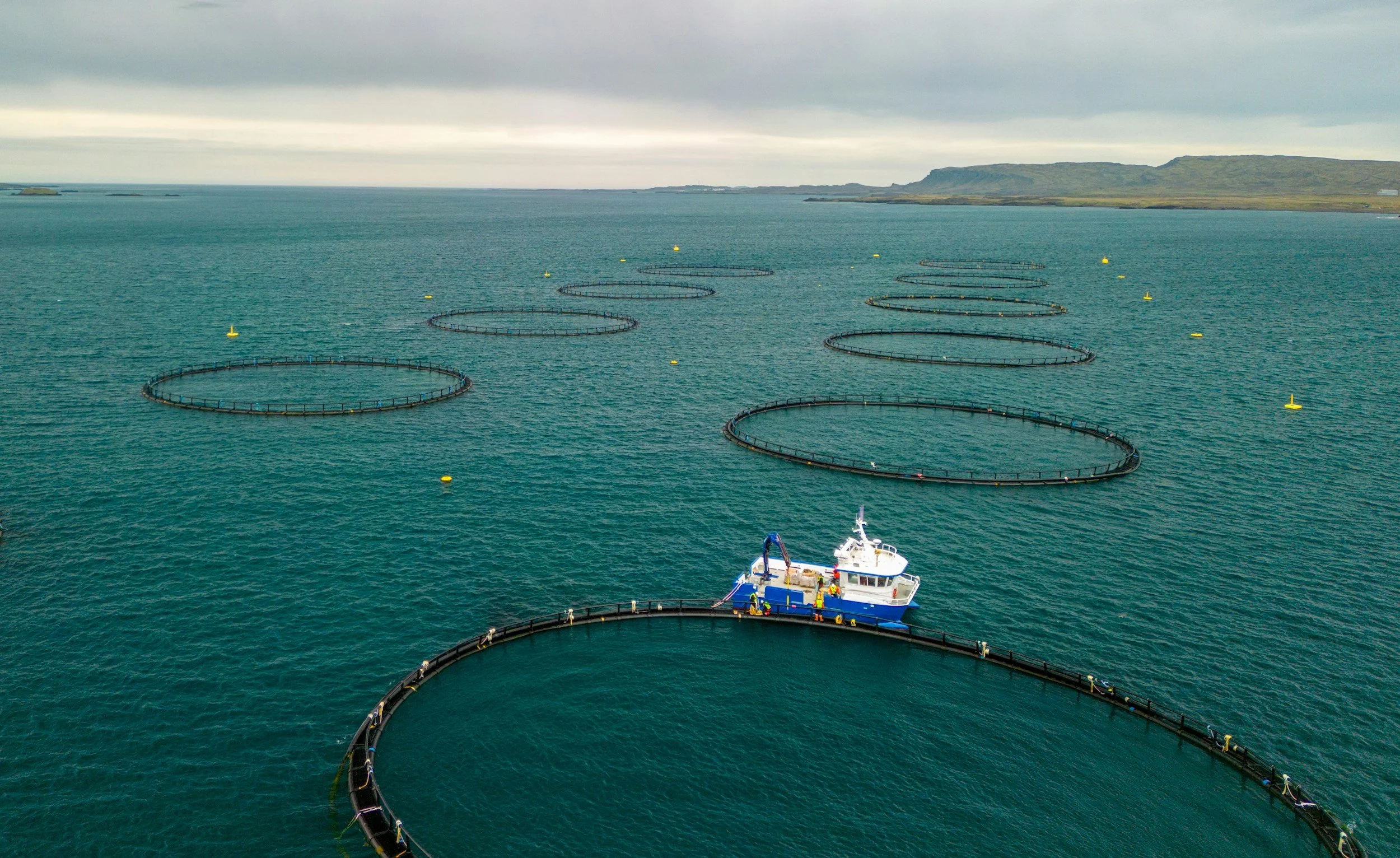
Aquaculture or fish farming has been our solution to overfishing, but is it really sustainable?
The devastation of overfishing has resulted in humans turning to fish farming instead to maintain the supply of fish that we desire. But at what cost? People are now consuming twice the number of fish per capita as they did 75 years ago. Humans are living longer and our populations are growing. These problems will come to a head sooner or later and then we will need to make amends. If we are running into a sustainability crisis now, what will we do when our human population reaches 4 billion, 5 billion or 10 billion people?
What have humans done so far to avoid overfishing and help fish populations bounce back? Fishing can be challenging when there are no fish to catch. Some people have decided that to have no disruptions in the fish we love to eat - fish farming has become a more popular option. In fact, most people in the United States and the world purchase fish that have been farmed. Most of us don’t know this or simply do not care. You may be wondering, what exactly is fish farming? Fish farming is also called aquaculture. Fish are populated by controlling their ability to reproduce, kind of like what humans do with the land populations of chicken, pigs and cows. We raise these fish in water pens or limited space, and a controlled environment until the fish have grown to adult size and then they are harvested for food. It seems streamlined, convenient and efficient if you observed such a system from afar. But what happens when fished are penned in and concentrated in numbers? What happens when these fish get harvested and more fill their place in the aquaculture pen? Dead zones are created and the fish have no choice but to consume their own waste that they are swimming in. People who are running these fish farms have one goal in mind and that is to profit from the fish that are under their control. Just like land farms they are using the bare minimum to receive the maximum when it comes to cashing in on the sale of their product. This process not only creates large amounts of waste that nobody wants to clean up, but they also can lead to misery for the fish and sea creatures that are being farmed.
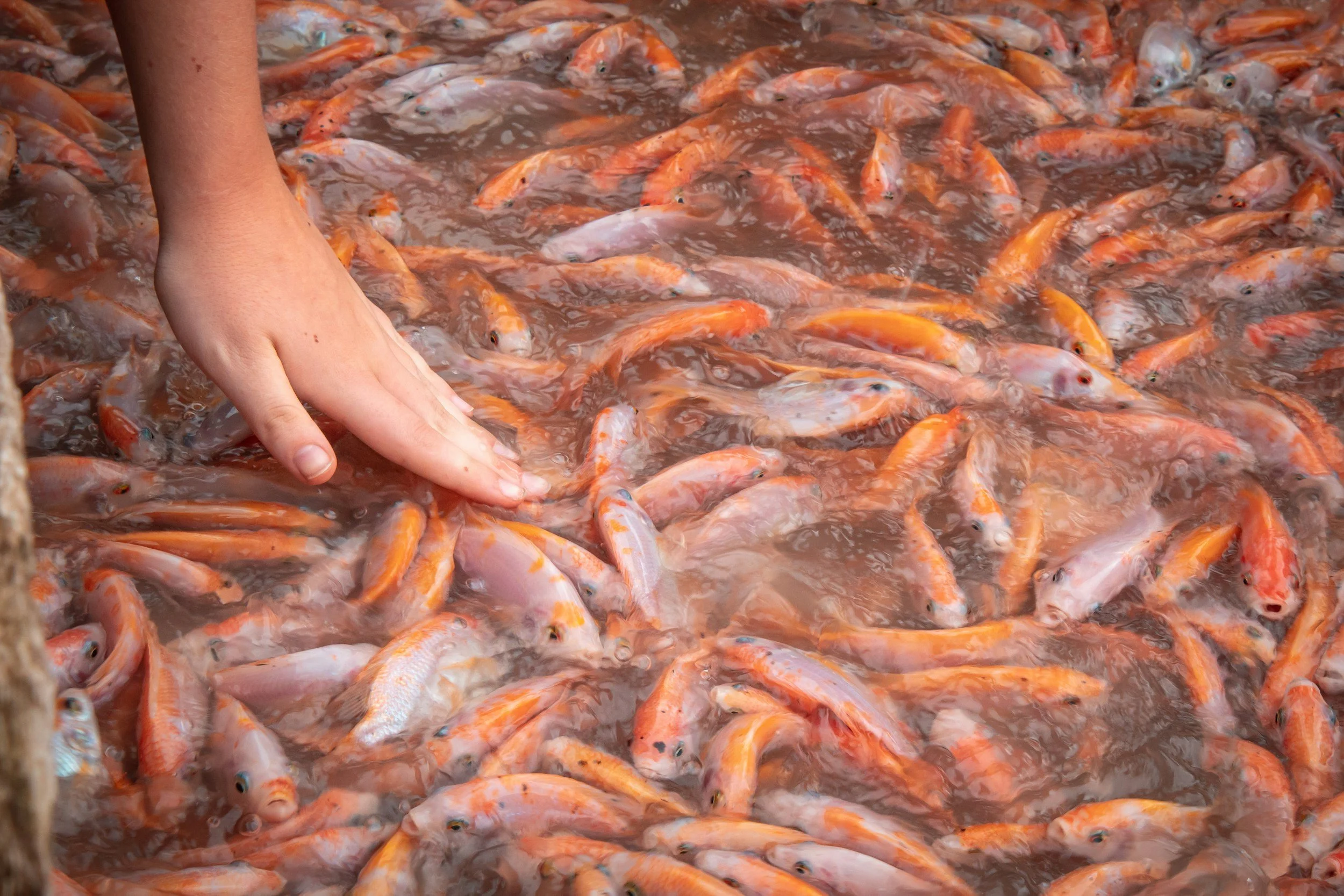
Fish farming can result in too many fish living in confined conditions.
If we looked even closer at these systems, we could learn that it’s not just about harvesting food for humans to consume at their leisure. It is about the discomfort of billions of fish and the waste that accumulates in a system we have created. What kinds of waste can be found in aquacultures? The same waste that can be found on land farms that harvest meat from animals. We give fish and land animals tons of antibiotics to prevent disease. Antibiotic overuse can result in antibiotic resistant bacteria and the potential ineffectiveness of all antibiotics for human use. These antibiotics can also end up in the food that we eat and end up in the waste that accumulates in the food lot pens and the aquacultures pens. What else accumulates? Other unhealthy substances that can accumulate in an aquaculture environment include, fungicides, dyes, POP (persistent organic pollutants,) like PCB’s and dioxins (that resist degradation,) lower omega-3 fatty acids and a higher risk of microorganism contamination. Which chemicals that are used for disinfecting can be found in aquacultures? Chlorine and iodine can be used to control microorganism growth and contamination, as well. Although some aquaculture operations use water filtering systems to prevent the accumulation of toxins and waste, these waste materials still must go somewhere. Are they dumped on land and leach out into our drinking water? Just like land animal waste, when you have a lot to dispose of, it has to go somewhere. Wherever a concentration of waste is dumped it them becomes a problem at the new location. Lead, mercury and cadmium can be caused by runoff from industrial zones. When water is contaminated with heavy metals, the heavy metals don’t just disappear, they then float to another location and have the potential to contaminate new environments. Aquaculture management tries hard to filter out these toxins, but once again, where do they go next? To another place where they can wreak havoc on humans or other fish? Where does it end? We must become more responsible with what we create and how we manage the resulting waste.
Aquaculture Human Health Risks
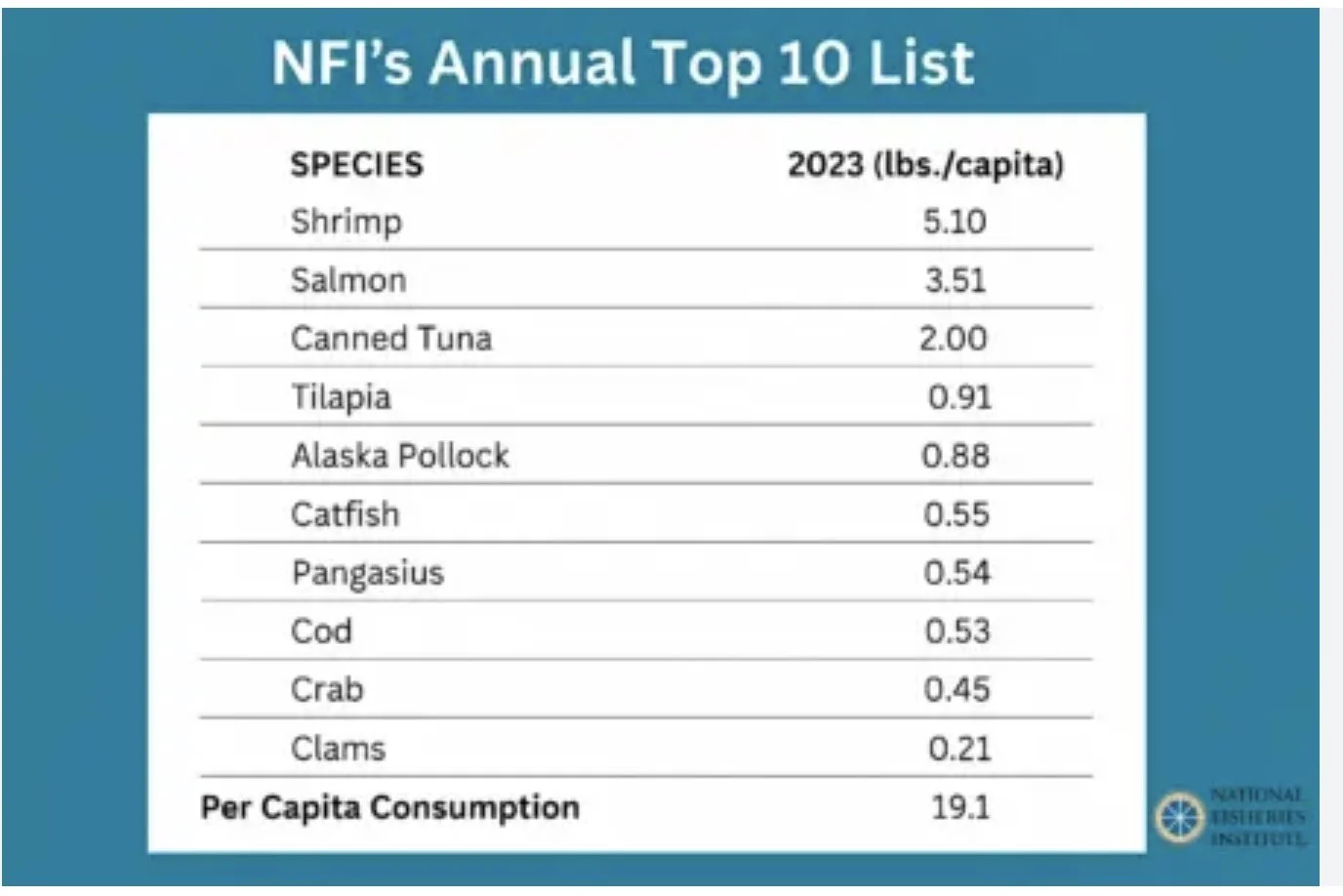
National Fisheries Institute, 2023.
Even though we are running into a brick wall with how to come up with enough fish to feed every human being on earth, we increasingly need to find more food to put in more mouths as the population expands, and we are now consuming more fish than ever. Humans now consume double the number of fish that we did just 75 short years ago. Most of the fish consumed in the United States comes from fish raised overseas and most of these fish raised overseas have been raised in fish farms. In 2020, the United States imported more than 79% of its demand of fish from other countries such as, Canada and Europe.
U.S. Seafood Imports Expand as Domestic Aquaculture Industry Repositions Itself
“The solution to pollution is dilution.” This was a running joke in our family for many years. It was created from the unpleasant odor of our own bodily functions. However, we can still hold this truth when it comes to farming. When fish, animals and people are spread out to live a life of more independence and freedom, the waste that they create is also spread out. As the human population expands and our eating choices expand, the sustainability of our food system and the waste it creates must be part of the solution, not part of the problem. We trust that the food we are eating is nutrient dense, and free of toxic substances and heavy metals. We don’t think twice when we purchase food in the grocery store. We trust that all is well when it comes to what we consume. What we don’t realize is that our food sourcing is complex and has been relying more heavily on farmed factories to feed us. Farmed factories for animals and for sea creatures can be messy and ultimately can be causing more harm than good. We simply do not know and cannot verify if there are toxic chemicals in our imported fish. It typically isn’t tested.
New study warns emerging pollutants in livestock and aquaculture waste may threaten ecosystems and public health
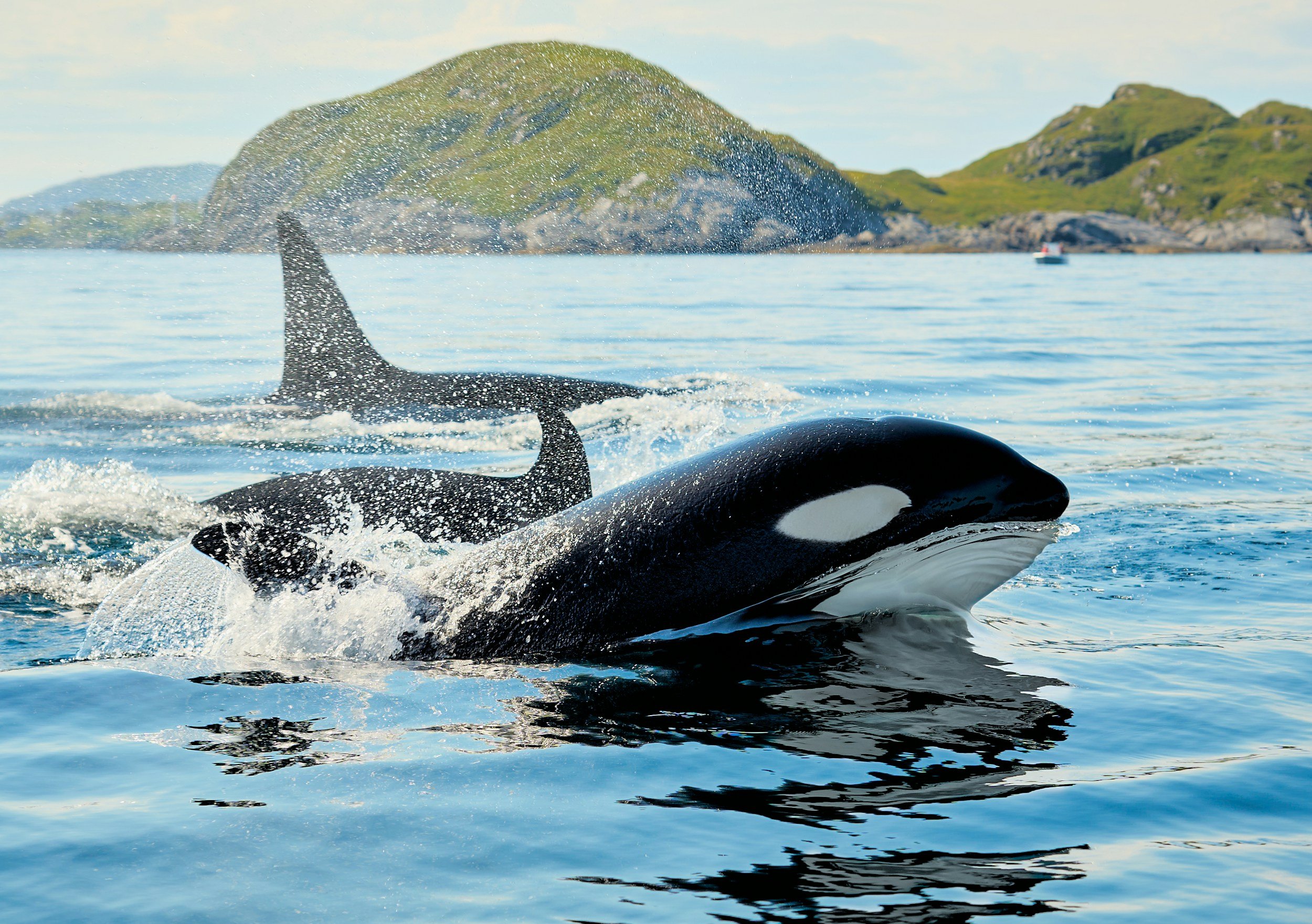
Just like humans, fish of all kinds are happiest when they are free.
All this information about the toxins that can be found in fish and the risk to human health, but no mention of the misery we choose to demand of our sea creatures. Do we really need to make fish and animals slaves to our tastebuds? Must we make them do our bidding because we want what we want? I know this dilemma is not weighing heavy on most people’s minds, but I believe it should. With power and control comes more responsibility to take care of and defend those who cannot defend themselves. We must demand more responsibility when it comes to how we treat other beings - those who dwell on land and in water.
As we watch humanity struggle to find a sustainable way to produce fish, another question comes to mind, do people really need to eat fish to stay healthy? So many social media influencers and healthcare workers advise that to be healthy humans need to consume more fish. But is this really the case? I think people are smart and will typically do the right thing when they are informed. But most people get scared of things they don’t know much about. This includes consuming fish. Can we live a healthy life without eating fish? Yes, absolutely. Too many educated healthcare workers have been told and believe that an essential fatty acid that happens to be found in fish, omega-3, can only be found in fatty fish. And then they repeat this finding to every patient they come across. People begin to believe this and then, of course, they eat more fish. We are fearful of cancer and heart disease – the leading causes of death in humans – and will do anything to prevent these awful diseases from occurring. If we need to eat more fish to be healthy, then so be it. But what we must remember is that the fish don’t make these essential fats, they eat them. Fish get omega-3 fats from eating algae and seaweed. Humans can get them from these foods as well. Instead of having fish farms maybe we should instead be growing algae and seaweed farms. Imagine a system that doesn’t cause waste to pile up but rather, prevents it from piling up to begin with? Instead of influencers telling us we need to eat more fish to be healthy, we need more of them telling us that we do not and that we can get these fats from other sources.
What is a person to do when they have no control over how fish are managed? We have choices at the grocery store and have a responsibility to eat in a way to not harm others as much as is possible. Can we live without eating fish? Yes, absolutely. Fishing should be left for those who have no other choices. If you live in a place that offers choices and alternatives to fish, then you might want to give these alternatives a try. We live in a day and age when omega-3 supplements made from algae are readily available. I dream of a day when humans can live a life that is sustainable without harming other beings. We must find a sustainable way to prevent the decimation of fish populations to a point where they struggle to survive and have the real potential of going extinct. We can do so much better and we should be trying harder, for us, for the health of the oceans, rivers and lakes, and for the health of all sea creatures.
A systemic review of aquaculture wastewater: Pollutants, impacts, and treatment technology
https://pubmed.ncbi.nlm.nih.gov/39147181/