

29. Iron is essential. Eating animals to supply it, is not.
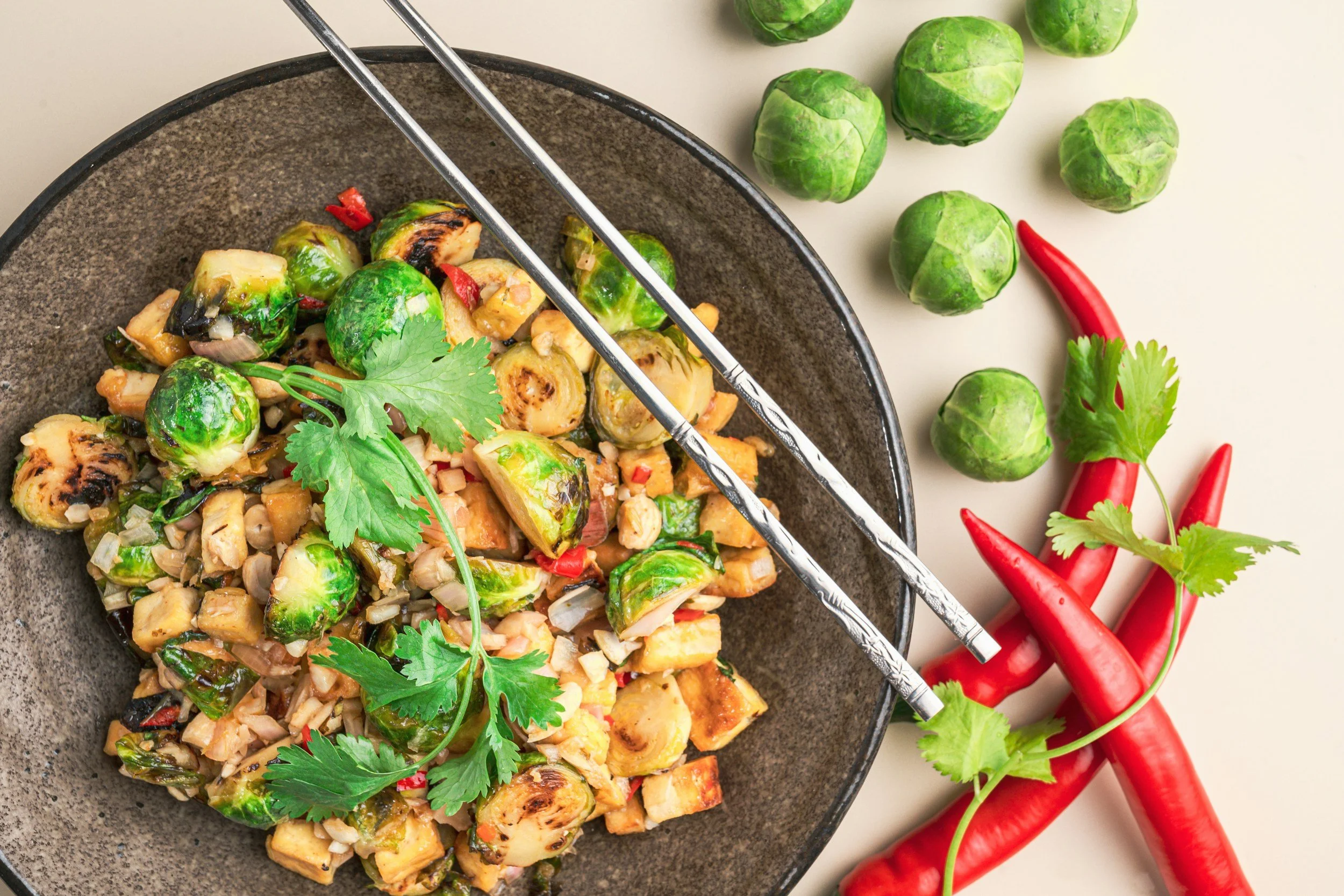
A meal like tofu stir-fry with cruciferous vegetables such as Brussel sprouts adds a good dose of iron to your daily diet plan.
Iron is a heavy metal and an essential element for human health. Iron is involved in so many metabolic pathways - oxygen deployment, electron transport, cell division, muscle development and regulation of gene expression. Iron is also essential for healthy skin, hair and nails. About 3/4 of the iron in the human body is bound to hemoglobin in the blood and has the essential job of transporting oxygen. In small quantities humans need this essential element to prevent anemia. But where is iron found and how do we know we are getting enough? I have heard many healthcare workers say that we need to eat red meat to be sure we are consuming enough iron to prevent anemia. Unfortunately, I used to believe this falsehood, too. Fear is created when you find out you could become anemic and some people panic as if meat is a miracle food and will save us from all nutrient deficiencies. People don’t always think about the fallout from consuming a lot of meat – the fallout for animals is enormous. And so is the fallout to humans in the form of waste, altered health consequences, water usage and pollution. We must remember that iron is an element that comes from the earth. Animal flesh is one source of this crucial nutrient, but it is not the only source. If we need iron from animals, why don’t these same animals need to consume other animals’ flesh to be healthy? Why do they have iron reserves that are abundant without consuming animals? Most, if not all of the animals we eat for iron and protein are herbivores. Would they be healthier if they ate animals like humans do? The simplest answer is No they would not. How do I know you can get plenty of iron on a plant-based, no-animals-consumed diet? I know this because I along with several million other plant-based eaters are not anemic.

So many people throughout the world lead heathy lives without eating animals for iron. Maybe you can too.
So how did we get here and how do we get ourselves out of this conundrum? First, fear is an undeniable, motivational factor . When you instill fear into people and tell them they could be doing something bad to themselves by avoiding the act of placing meat on their plate, they panic. In their quest to find out more about how iron functions in the human body, researchers have discovered that there are different forms of iron. The most absorbable form is heme iron which is found in the flesh of animals. Humans consume a lot of meat. What happens when humans consume too much iron? Too much heme iron can be dangerous for human health even when it does not cause acute toxicity. Iron toxicity most commonly occurs when children get a hold of adult iron supplements and eat too many. Iron toxicity can cause irreversible damage to organs including the liver, the heart and the pancreas. Too much iron can initiate inflammation and destructive free radical formation that can cause lasting damage. Studies have shown that over time, too much heme iron from red meat can increase the potential for DNA damage and can initiate cancer, especially colon cancer. High heat cooking of red meat has been categorized as carcinogenic to humans by the International Agency for Research on Cancer WHO (IARC.) Red meat is defined as all meat coming from hoofed mammals - cows, horses, elk, deer, moose, buffalo, goats, pigs and lambs. The diagnosis of colon cancer, especially in young adults has been rising in the past few years. Could it be linked to an increase in the consumption of red meat? Yes, it is possible.
https://progressreport.cancer.gov/prevention/diet_alcohol/red_meat
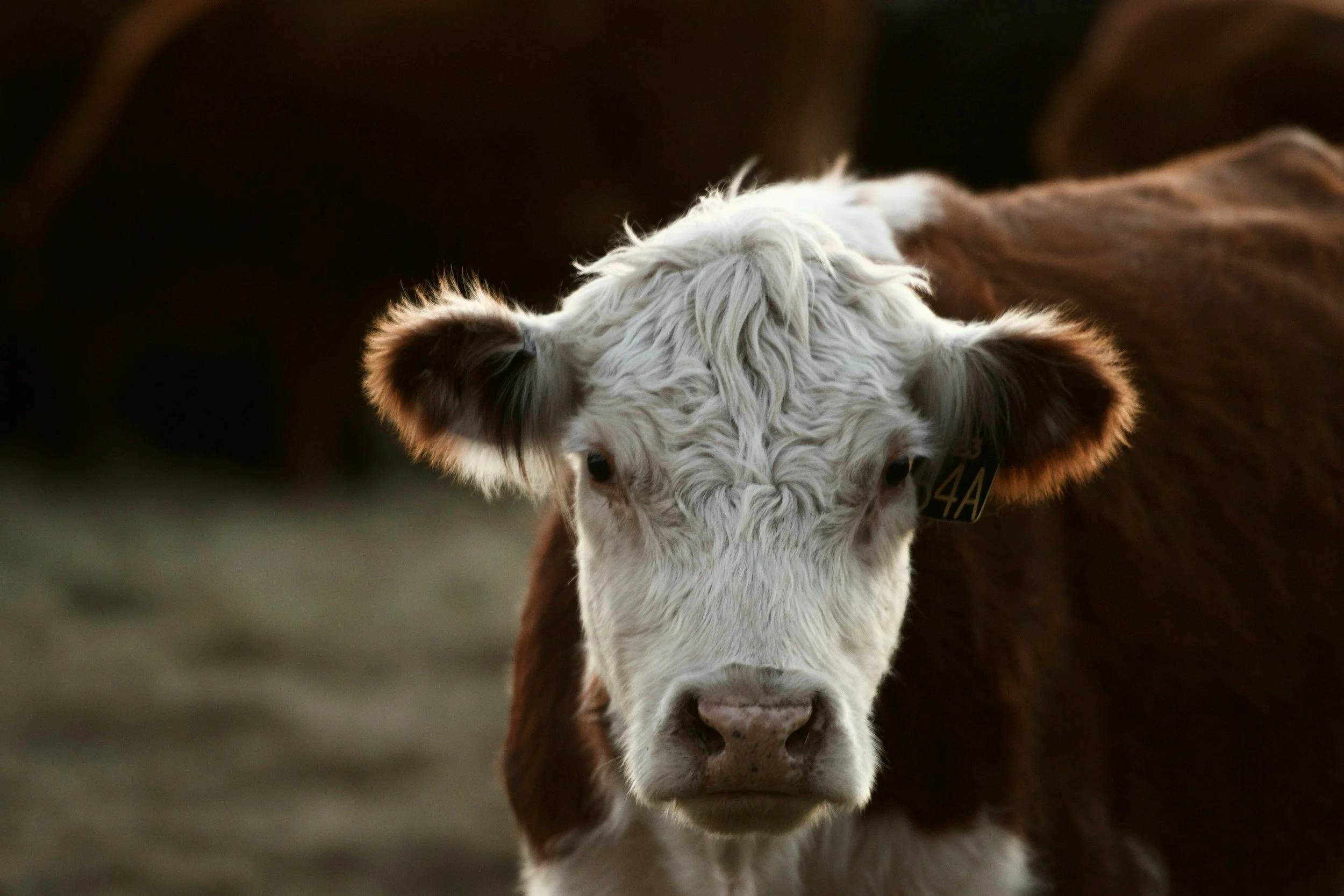
In the past 100 years, Americans have nearly doubled their consumption of meat. Protein and iron needs are the excuse.
Heavy metals must be monitored and humans should be careful to not ingest too much. Just like iron there are other heavy metals that are essential for human health. Copper, manganese and zinc are also considered to be heavy metals but are crucial in small quantities for human health. Lead, another heavy metal on the other hand, is detrimental to human health and if consumed or inhaled in high quantities can leave us with permanent nervous system damage. This is why lead has been taken out of paint products and gasoline. Inhalation of lead was a human hazard for years until scientists figured out the detrimental effects and encouraged laws to be changed to prevent such sickness. The air is now cleaner because lead is no longer being dispersed by exhaust and fumes.
Iron intake must be just right. Taking too much or too little could have detrimental effects. Iron deficiency anemia is estimated to affect 1 in 4 people in the United States and the world – one of the most common nutrient deficiencies in humans. Since iron can cause so much destruction if taken in high doses, we must be careful. To combat such a situation, the human body absorbs very small amounts of iron from the food that we eat. Some scientists estimate this to be around 2-35% depending on the form. The heme form comes from animal sourced foods, and the non-heme form comes from plant sourced foods. Heme iron from fish, meat and poultry is estimated to be 15-35% absorption. While non-heme iron found in grains, seeds, nut, fruits, vegetables and legumes has an absorption rate of 2-20%. You may have heard that if your iron stores are low then you should consider taking a vitamin C supplement along with your iron rich foods or with an iron supplement. Vitamin C not only enhances absorption of iron, but it can also serve as a counter to free-radical formation since vitamin C is an antioxidant. But we must remember that the human body is smart and will absorb more iron if the body is deficient. We just need to be sure we are consuming foods that contain it. Plant or animal sourced – we can absorb iron from both.
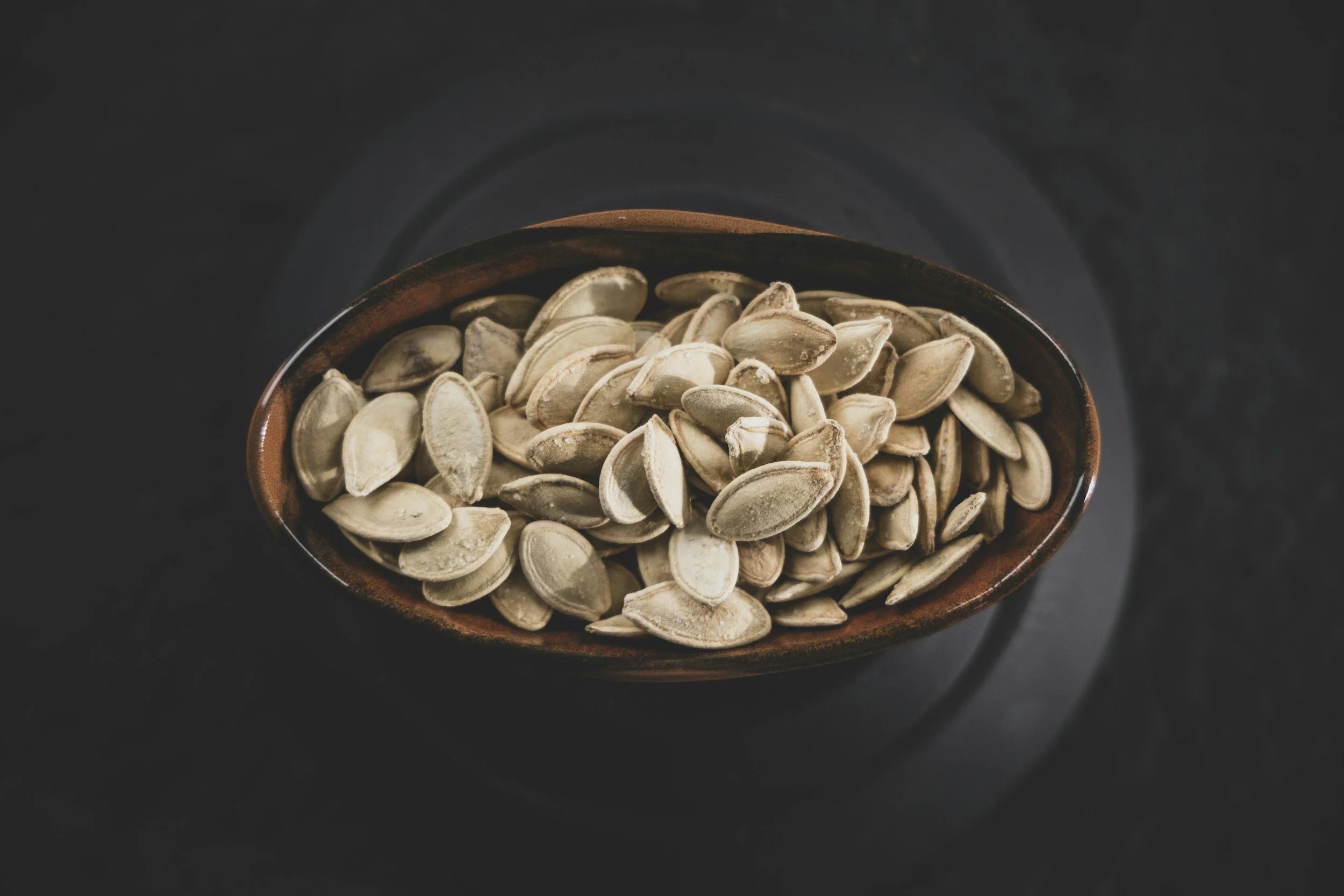
Pumpkin seeds are a rich source of iron, fiber and protein.
When anemia from iron deficiency arises, we need to first look at the foods we are consuming to be sure we have iron rich foods in our diet. Plant sources rich in iron include soy products, spinach, broccoli, kale, lentils, beans, dried fruit, oats, almonds and pumpkin seeds. Fortified foods like breakfast cereal and pasta can be incorporated into a sound meal plan to provide enough dietary iron. We also need to look at physical health conditions that could play a part. What blocks iron from being digested and absorbed? There are several factors that can be involved in the digestion of iron. Any medication that acts to lower stomach acid formation can prevent iron absorption. Medications that can alter stomach acid output include proton pump inhibitors, H2 blockers, antacids and GLP-1’s and NSAIDS. Some plant food components (sometimes called anti-nutrients) have been shown to bind to iron in the intestine. These include phytates, polyphenols, calcium and oxalic acid. Humans can still consume these foods, but it is best not to consume iron rich foods along with foods that can bind to iron. Another problem with the human body’s ability to absorb iron includes the health of the gastrointestinal tract. Stomach issues can influence gastric acid production and intestinal issues can prevent absorption. Intestinal issues such as those that can damage the mucosal lining and prevent absorption include, celiac disease, irritable bowel, Crohn’s disease, gastritis, small intestine bacterial overgrowth (SIBO), bariatric surgery and bowel resection. What most people who are iron deficient do not realize is that if your body is not capable of absorbing iron, then consuming 10 pounds of red meat a day will still not help. And in fact, it could cause more harm.
It is important to know your iron levels and iron status. If you are deficient and have tried to consume foods that are good sources to no avail, you may want to consider a vegan iron supplement. Of course, like all supplements, this should be carefully followed by a healthcare professional to prevent over or under consumption. With a little forethought and a little bit of knowledge, humans can live without the consumption of animals. Yes, even without the heme form of iron. I have done it for 17 years and I think I am a healthier human because of it.
https://www.hematology.org/education/patients/anemia/iron-deficiency