

Topsoil: Preserving the valuable layer of Earth that sustains all life
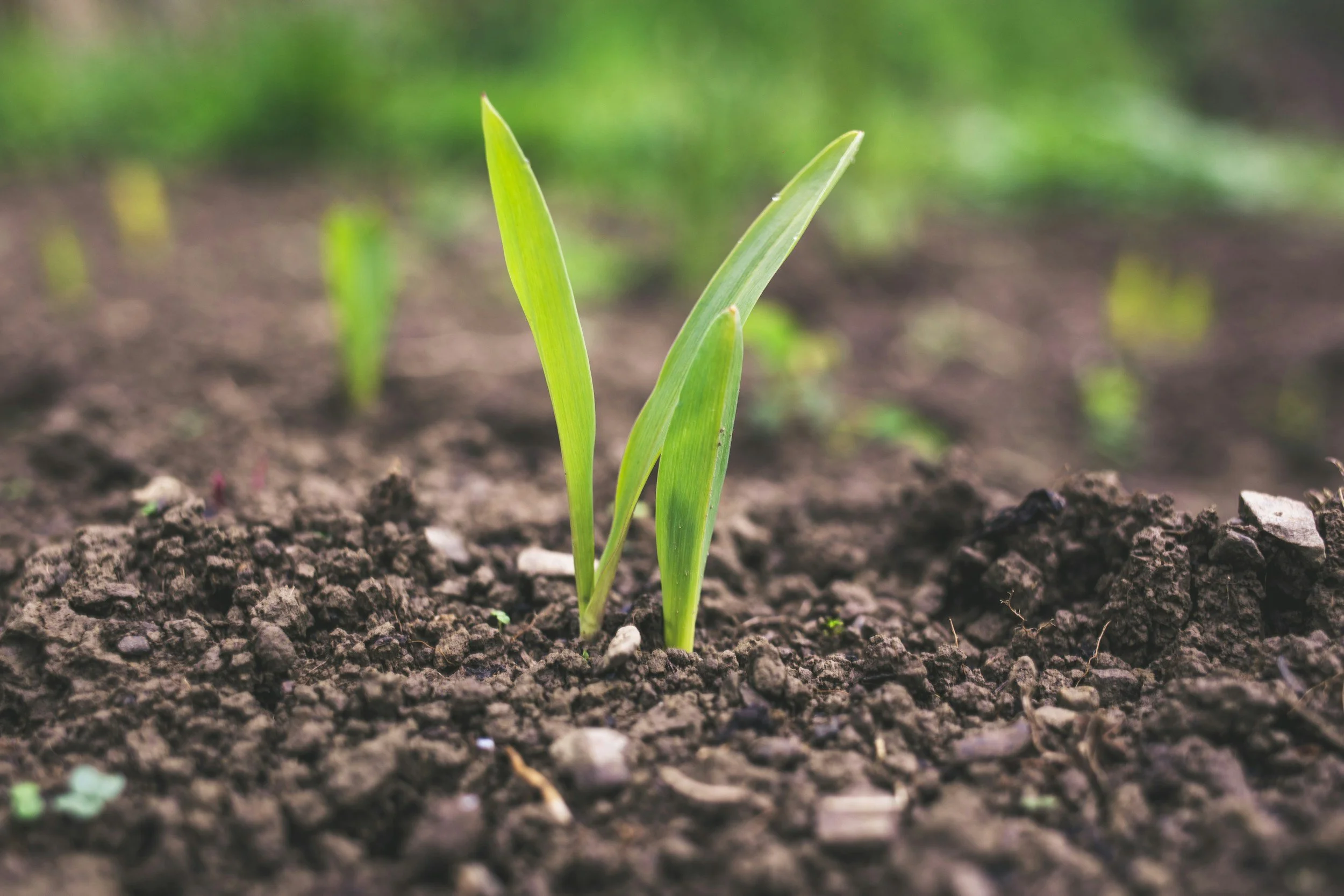
Topsoil is the rich dirt that lies beneath prairies and forests that sustains all life on land. Due to mismanagement and severe weather, topsoil is disappearing.
Humans typically don’t think about how valuable topsoil is to life. When we are planting flowers and need it to fill our pots, topsoil is typically one of the cheapest things you can buy at your local gardening store. Humans haven’t yet realized the urgency with which we should be conserving topsoil, nor the rate at which it is disappearing, simply because it isn’t yet newsworthy. Topsoil is crucial because it is the perfect combination of nutrients and microorganisms that allow moisture to stay intact and organic matter to be broken down. Topsoil is the nutrient dense, organic matter that covers our land and is essential for plant growth. Topsoil is teaming with ground dwellers who break down waste, keep the ground moist, and nourish the soil. We have taken topsoil for granted and will need to eventually make amends. Taking trees down to clear the land for growing food has been a human activity for centuries. As the population grows, so does the need for food. The other thing that has grown more recently, has been our desire to consume an animal-protein-rich diet. When we require more animal sourced foods, we require more land. Most of the clearing of earth’s forests have been done to make room for food for the animals that we eat. If animal agriculture didn’t exist, a lot fewer forests would be coming down. How many forests have come down for agriculture? It is estimated that half of the land on earth has been converted from dense forests and prairies to land for human activity including land used to grow animal feed crops.
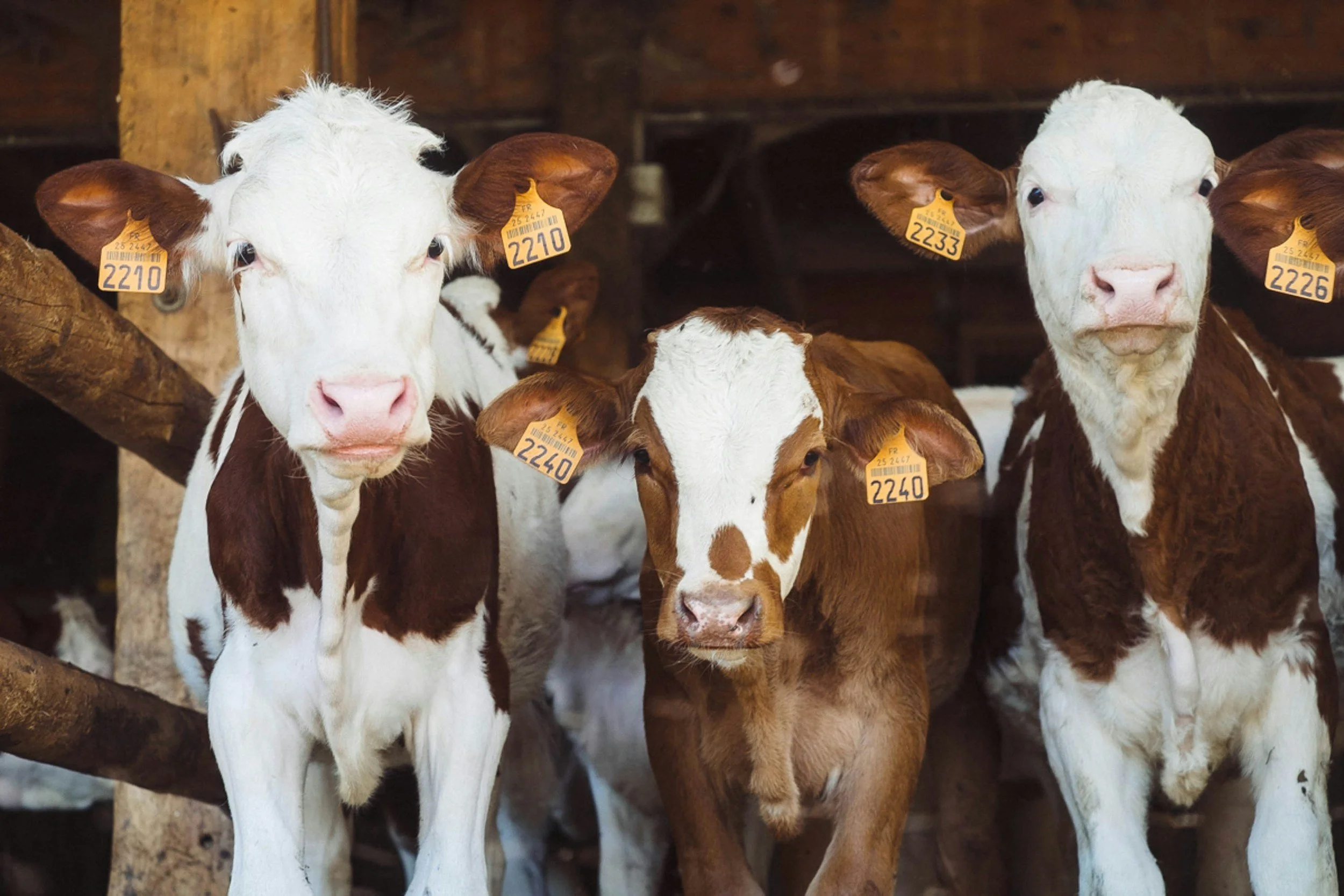
According to Our World Data, half of the world’s habitable land is used for agriculture and 75% of global agriculture land is used for livestock.
Most people are too busy to realize that high quality topsoil has been disappearing at an alarming rate for the past couple of centuries in the United States and throughout the world. Some experts put this loss at about 50-75%. The remaining topsoil remains vulnerable to mismanagement and abuse. A combination of land clearing and extreme weather can erode this golden layer of earth. When forests are converted to fields of crops, the new plantings have a harder time hanging on to the soil and protecting it. When the soil is exposed to harsh weather – sun, wind and rain - without trees or deep-rooted grasses to keep it in place, it becomes easily displaced. Erosion can become common, especially when storms and torrential rains hit. Droughts can do their part in destroying this valuable top layer too, by drying out the soil and killing the underground dwellers. When the topsoil is gone, we are left with lifeless dirt, rock and clay. This dead dirt becomes high maintenance and requires the application of manmade synthetic chemicals including fertilizers, herbicides and pesticides. It can become a vicious cycle of insult to injury if the system that supports this treatment doesn’t stop to think about the risks involved. Sometimes these massive, field applications are laced with forever chemicals, and this is when we know we are in real trouble. Forever chemicals such as dioxin and PCB’s should have been eradicated years ago, yet they are still legally being applied to our produce as we speak. Why won’t humans heed the warnings and heal the soil and why are they continuing to exploit and abuse the topsoil – the small amount that we have left? Bottom line – we haven’t hit rock bottom yet. We must get to a point where food can no longer live in the depleted soil and when the climate gets to a point when storms, drought and floods are too extreme to even allow farmers to properly house animals on their farms. Yes, it sounds bleak, but turning things around shouldn’t be so costly and work intensive. We are almost at a tipping point.
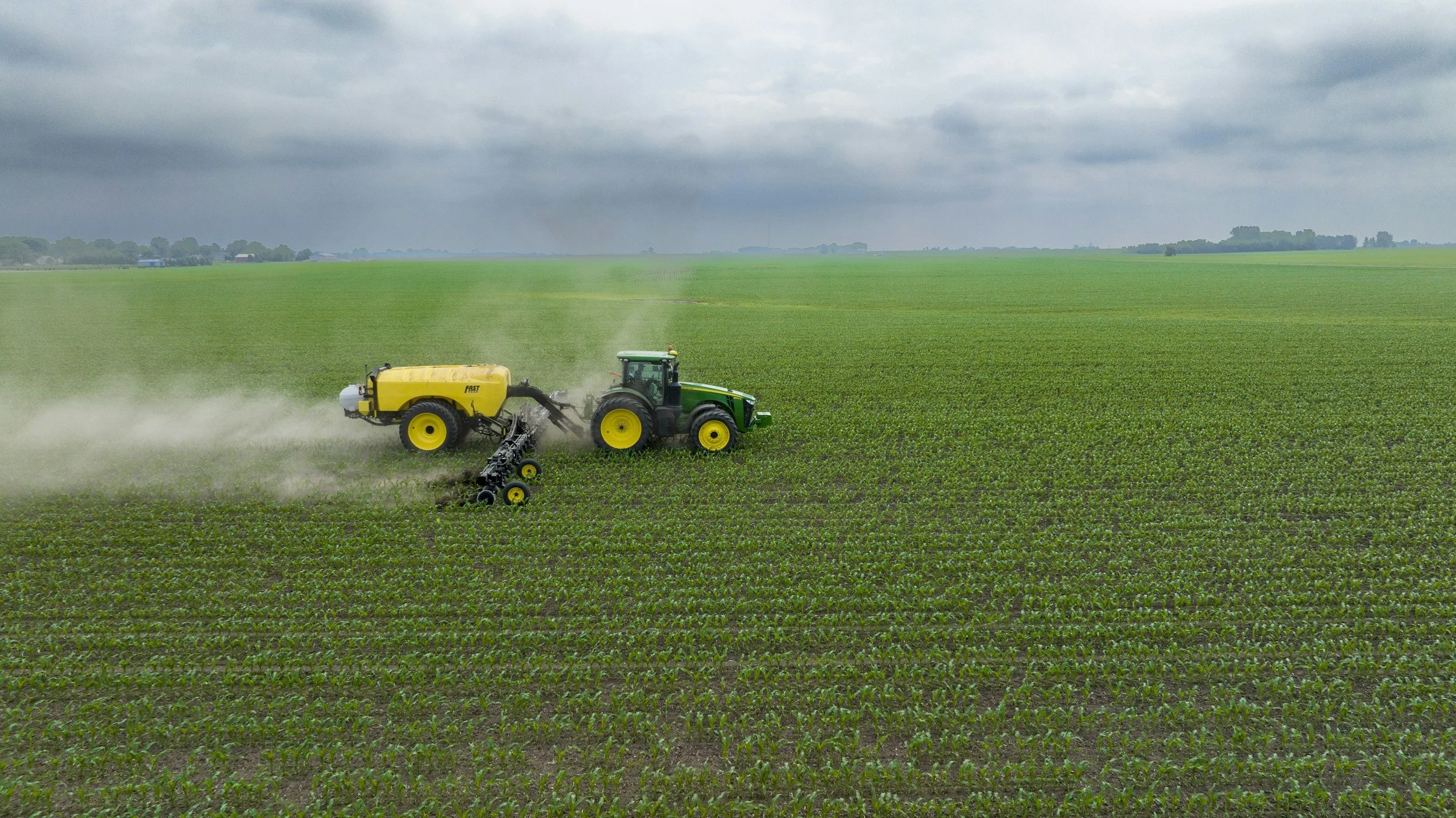
Chemicals applied to produce is not always safe. Some are considered forever chemicals, meaning they do not break down easily and can persist for decades or even centuries after application.
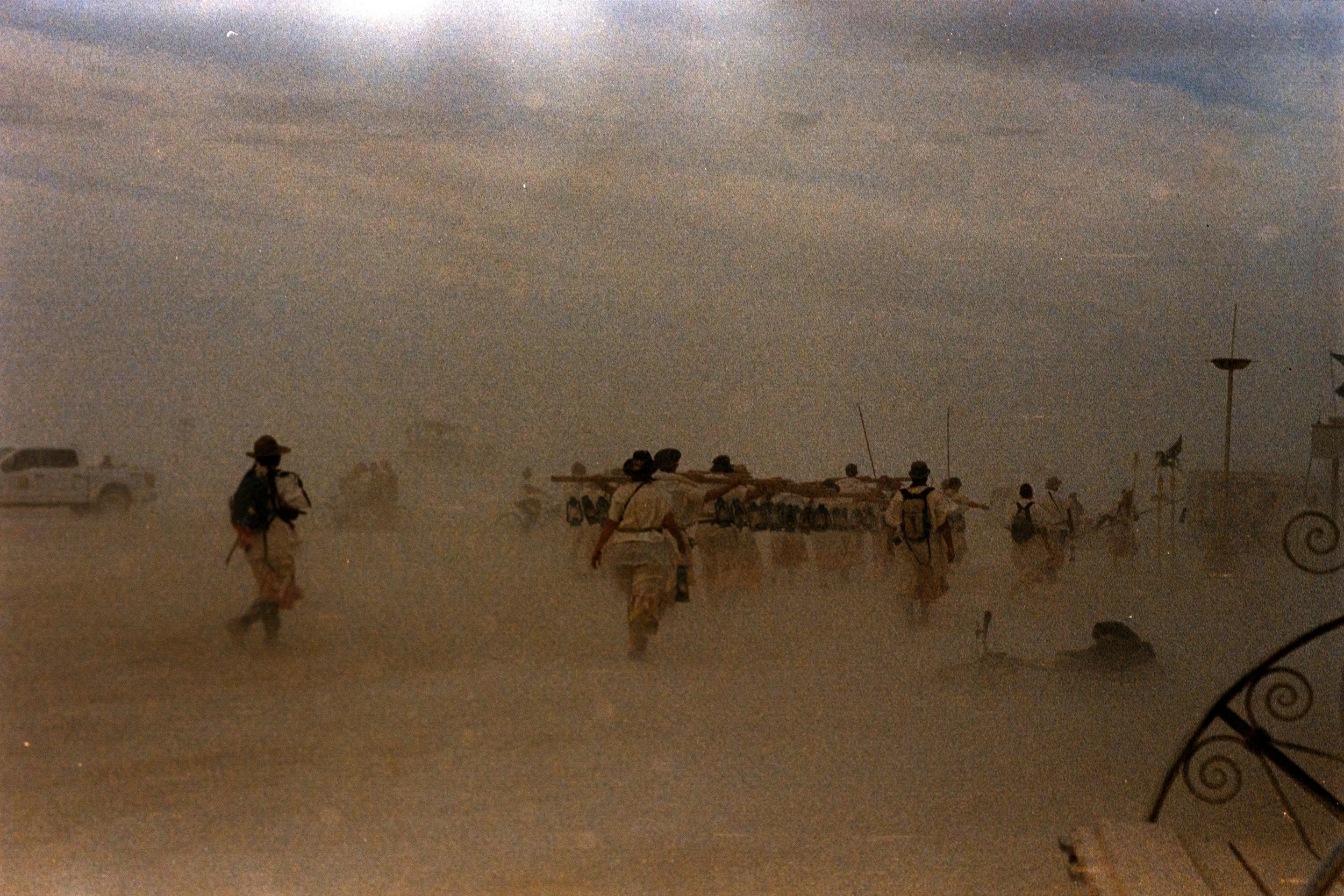
The American Dust Bowl in the 1930’s was an example of what happens when you combine land mismanagement with drought and wind.
If you have read history books about the American Dust Bowl, you will know first-hand how the mismanagement of land can go terribly wrong. In the 1930’s humans settled in the southern plain states to start farms and to grow food for a growing population. However, the rich topsoil that was in place after the clearing of dense forests and prairies was overcultivated by over-plowing and churning up soil that had been intact for thousands of years. Farmers also thought that applying chemicals in the form of fertilizers and pesticides was all that was needed for plants to flourish. This was simply not true. When severe drought hit, the dried-out soil killed the important microorganisms that were in place. Severe weather with rain and wind eroded the rich topsoil and blew it away causing devastating dirt/dust storms. Originally, trees and deep-rooted prairie grasses kept the topsoil firmly in place. When these were removed, the soil became vulnerable to the weather. Farmers were forced to abandon the land and move on. And yet, nothing has really changed since then. We are still over tilling and overusing insecticides and fertilizers. Try as we might, healthy topsoil is what humans need to grow their food. Overgrazing the land with animals who go to slaughter to feed humans can also cause damage to our land.
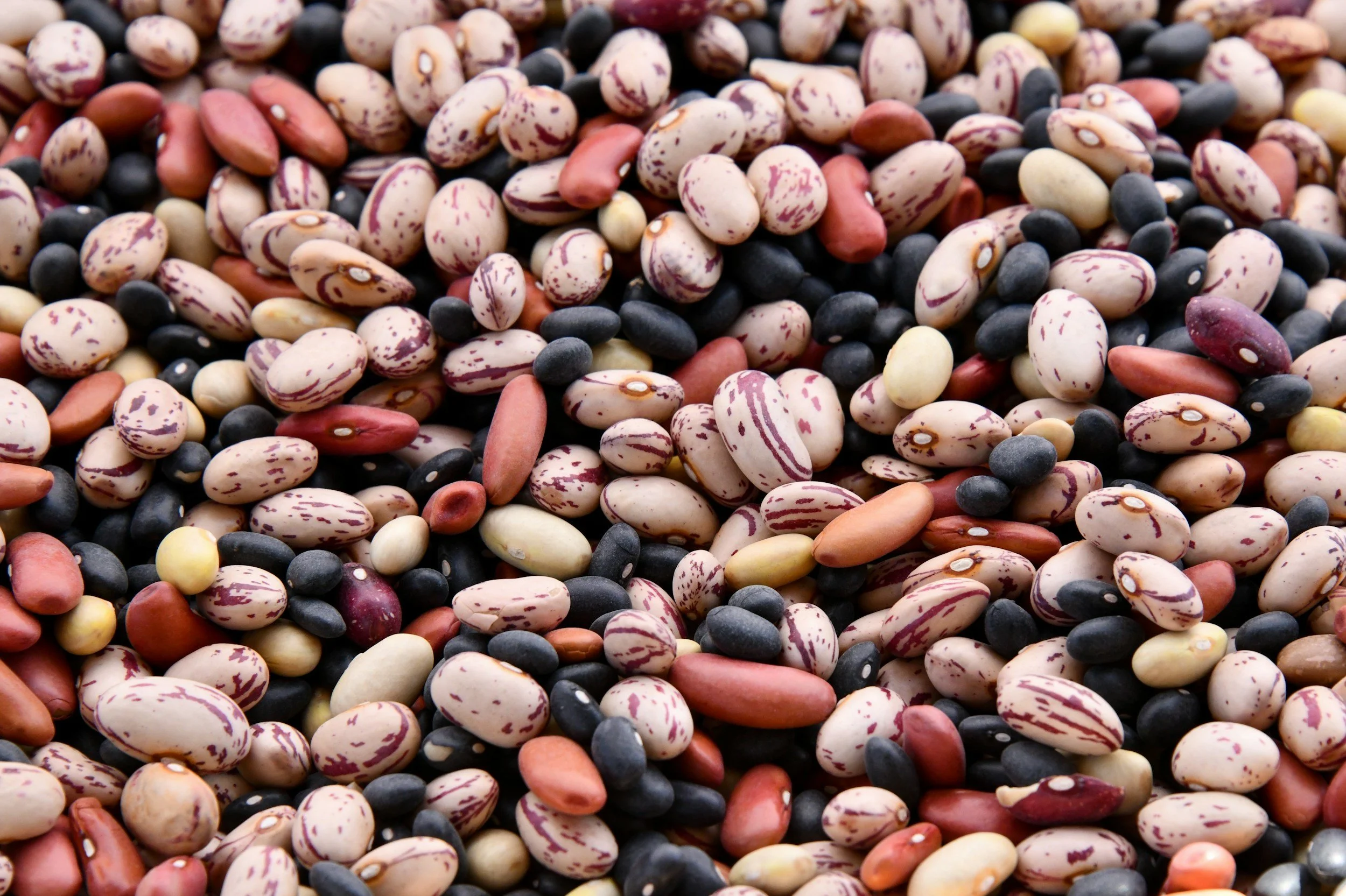
Legumes, dried beans, lentils and peas, are rich in protein, fiber and micronutrients and are a great place to begin a plant-based diet journey.
It sounds crazy to suggest that the way we eat has an influence on our land – yet it is the most influential part of human life that has done the most damage. Sadly, consuming a diet that is heavy in meat and dairy is not sustainable, especially with a growing human population. Something has to give. Instead of destroying more topsoil, we now need to turn our energy toward sustainability, preserving what’s left, and giving some thought to consuming more sustainable food options. As we speak, more acres of land are being converted to land for crops and grazing. Unfortunately, the United States has not heeded this warning and does not plan on taking the more conservative route. Americans are moving full steam ahead and doubling down on encouraging people to consume more meat. This is the worst thing we can do to help preserve what we have left.
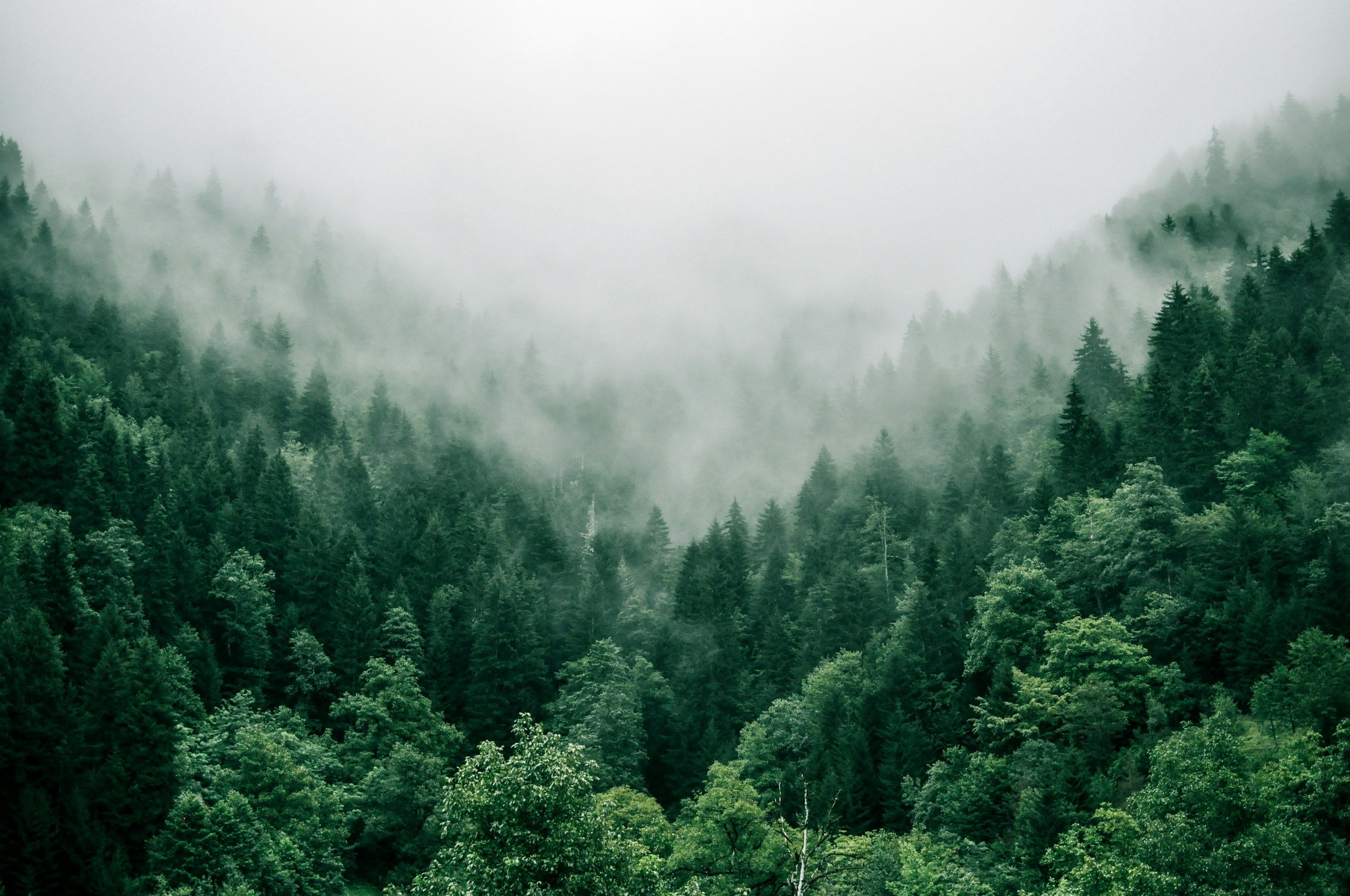
It is estimated that earth is losing 25 millions acres (or 10 million hectares) of forest every year due to the need for more land to plant crops to feed the animals that humans eat. Soon we will run out of forests to destroy. North, Central and South America have destroyed the most forests of all continents in the world.
Instead of waiting for those in charge to change their ways and to change the laws, what can an individual person do to help? There are lots of ways individuals can help. First, try to purchase your food from farmers who care. This includes supporting organic farmers who help maintain healthy topsoil while plants flourish - and by limiting the use of harsh chemicals and eradicating the use of forever chemicals. We can also learn to get our protein from plants instead of relying on animals for this important nutrient. Plants have an abundance of protein in them and are loaded with other important nutrients too. When we consume more protein rich foods from plants, we are making the world a better place in our own small way. Some protein rich foods that are sourced from plants include – legumes (dried beans, lentils, and peas,) soy products (edamame, tofu, soy milk,) seitan, and high protein seeds and nuts - sunflower seeds, chia seeds, pumpkin seeds, peanuts, almond, pistachios and cashews. Along with choosing where to spend your money, you can try to avoid giving your money to those who don’t care about what they are doing to the topsoil. Why reward those who cut corners and overuse chemical applications to make a buck? If you would like to learn more about the chemicals that are used on our food in the United States and other countries, you can refer to my previous blog about the overuse of chemicals on food grown in the United States. Blog Post #23 posted on May 18, 2026, Pesticides – Are They Really Safe?
There are a lot of resources you can find to help guide the way you live to improve your carbon footprint. Another option is to compost food scraps, especially plant matter from meal preparation. Composters can give the scrap food a place to break down and can be nourishment for home gardens and planters.
Ways to Reduce Carbon Footprint
https://news.climate.columbia.edu/2018/12/27/35-ways-reduce-carbon-footprint/
Soil Erosion and Degradation
https://www.worldwildlife.org/our-work/forests/soil-erosion-and-degradation/
The Dust Bowl
Deforestation