

11. Ethical Alternatives to Fish

Fish are healthiest when they are free to roam in their own habitat. Unfortunately, most of the fish we consume are not free, they are often farmed.
Consuming fish can be complicated. Decades ago, when most of the fish that we ate came from freshwater and open water fishing, we rarely questioned whether they were safe or not. One catch at a time minimized the suffering. The fish were healthy, and we could almost be guaranteed that it would be good for us to consume them. But those days are gone. Humans have overfished the seas and have now turned to farming them to keep a steady supply going. Fish farming is not unlike factory farming animals on land where quarters are tight, happiness is not a concern, and animals are not treated like they should be. Farming fish is also called aquaculture, and it is not an environment the fish would have chosen for themselves. Infestations of bacteria and pests like sea lice abound. As with all sentient beings who are farmed, the system in which they have been caught up in is unforgiving and not kind. These vulnerable creatures are only as healthy as the environment they live in. Mentally, the act of factory farming would be enough to make any creature go crazy – but farming fish is in a category all by itself. Besides the absolute neglect and abuse, of innocent beings, the space in which they are allowed to move is limited. Is there anything else about eating fish that should make us think twice?
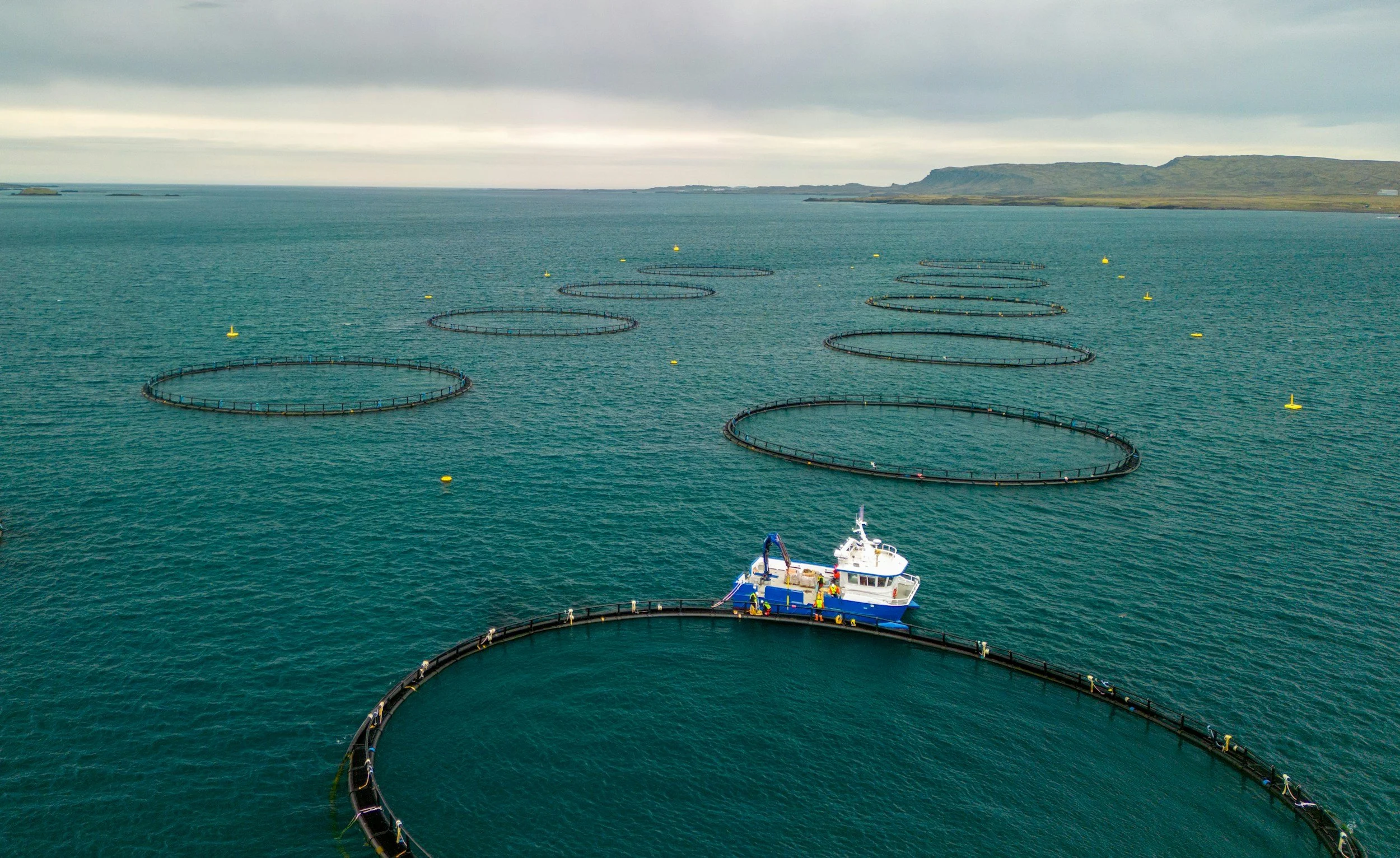
Aquaculture or fish farming limits the space the fish can move in and this can create an environment that encourages insect and microorganism infestations and pollution.
Studies have shown that fish absorb toxins like methylmercury from their environment. Since the oceans and lakes absorb much of our air pollution, mercury pollution in our water systems has been an unfortunate result. Mercury overconsumption in humans has been linked to birth defects when the mother consumes some types of fish with high concentrations of methylmercury. This toxin is stored in fat cells and consuming it could result in a form of cerebral palsy when the baby is born. Fish that contain the most methylmercury include swordfish, king mackerel, shark, tuna and tilefish. How do fish get contaminated with mercury to begin with? Mercury pollution gets absorbed by plankton. Fish then consume the plankton. When these smaller fish get eaten by the larger fish, the larger fish also absorb and store methylmercury. The fish most contaminated are those who grow large and live a longer life.
How does methylmercury harm humans besides causing birth defects? Mercury is an endocrine disruptor and is active in preventing selenium absorption. Selenium and iodine are important in keeping our endocrine system healthy. Unfortunately, methylmercury is not the only toxin that can be found in fish. When fish are farmed, their environment puts them at risk for more contamination of toxins and more risk for microorganisms and infections.
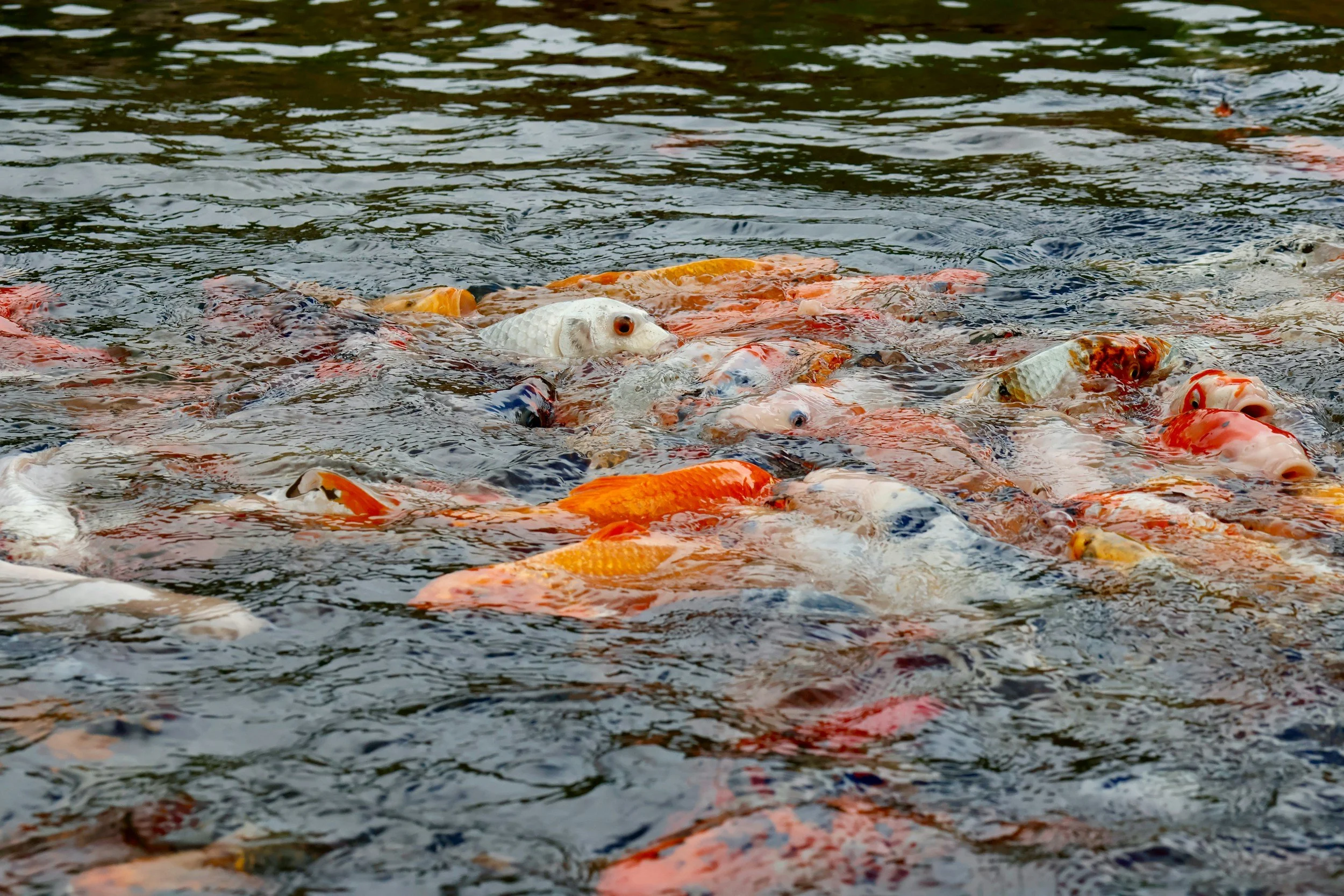
Fish can suffer. Forcing them to live in confined conditions is a form of abuse.
https://www.ncbi.nlm.nih.gov/books/NBK83731/
PCB’s (polychlorinated biphenyls) are probable carcinogens and are considered to be forever chemicals. They can be found in many places on earth whether these places have been the original site of contamination, or not. Pollution has created them and weather has dispersed them. PCB’s are also endocrine disruptors just like mercury. These chemicals can interfere with human reproduction and hormone production. The reason we need to worry about fish contamination is because fish live in seas that have often been polluted with these chemicals.
Another risk with consuming factory farmed fish is the overuse of antibiotics with the result being antibiotic resistant bacteria. Whenever an animal is farmed and not allowed to live in their natural habitat, not only do they become stressed, but they also live in unhealthy conditions that lead to far more problems. If you think you can avoid contamination by eating salmon, think again. Almost 80% of the salmon consumed in the United States is farmed. And in fact, about 80% of all fish consumed in the states has been imported, of which at least 50% has been factory farmed. Unless you’re willing to investigate the food that you consume, you might not know where your food is coming from nor how it lived its life. It takes a lot of blind faith and trust to believe all is fine. Why do most of us not question these foods at all? Maybe we ignore the risks because we have been told over and over again that fish provide us with essential omega-3 fatty acids and so much protein.
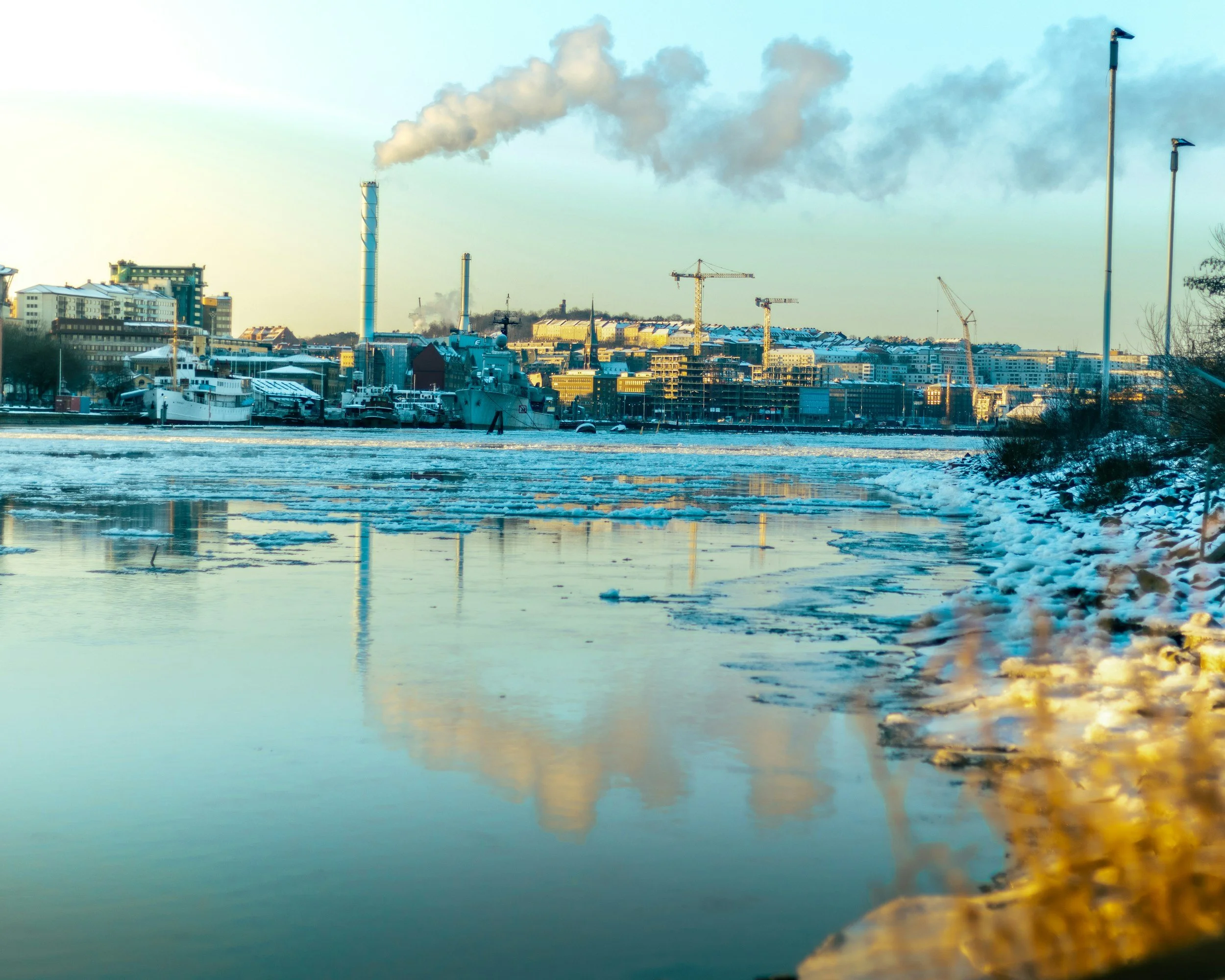
PCB contamination began with pollution created from industrial waste. Although it has been banned, it is considered a forever chemical and still lurks in many places on the land and in the seas.
https://www.ncbi.nlm.nih.gov/books/NBK587437/
https://pubmed.ncbi.nlm.nih.gov/40558188/
The claims about fish and the nutrients they provide have been trumpeted for decades by people who hold credentials like medical doctors, nurses and dietitians. What these professionals don’t reveal is that eating fish is not the only resource for these nutrients. In other words, you can find these nutrients elsewhere. The nutritional claims include the fact that most fish have a decent amount of omega-3 fatty acids stored in their fat cells. Yes, this is true, but going a step further to say they are the only source is false. This fat is essential for human health – meaning the human body cannot make it - so we do need to find it elsewhere. If fish are such a valuable source of omega-3 fatty acids, then where have the fish gotten these valuable fats? The big fish eat the small fish that eat the seaweed and algae that provide them with this essential nutrient. Yes, humans could still get plenty of omega-3 fats from algae and seaweed and skip the middleman. Omega-3 fatty acids can be found in nuts and seeds, as well. Anyone who tells you that you must eat fish does not know what they are talking about. What other nutrients do fish provide? Fish are high in protein, vitamin D, vitamin B12 and trace minerals such as, iron, zinc, iodine and magnesium. Can humans get these nutrients from other sources? Yes. Can they get them from plant-based sources? Yes. Seaweed is not only high in omega-3 fatty acids but also contain a good amount of iodine. Zinc, magnesium and iron can be found in legumes like lentils, beans and peas and seeds like, chia and hemp. Vitamin B12 is not just an essential nutrient for those who don’t consume animals. Vitamin B12 is essential and can be deficient in those who do consume animals. This may have to do with the health of your stomach lining and your ability to produce intrinsic factor which is required for vitamin B12 absorption. Where do vegans get their vitamin B12? They either take a supplement, or they consume fortified foods such as, nutritional yeast or fortified cereals and/or plant milks. Vitamin D can be found in fortified plant milks and in fortified orange juice. But you can also take a supplement if you are not able to get exposure to sunlight.
Are there any other toxins in fish besides methylmercury and PCB’s that humans should be worried about? Other toxins found in fish include dioxins, Persistent Organic Pollutants (POP’s) such as Dieldrin and Toxaphene. And because so many fish are now being raised in the confined conditions of aquaculture farms, the filthiness calls for blanket treatments of pesticides, fungicides and antibiotics. Do the fish absorb these chemicals? How could they not?
Dioxin is an environmental pollutant and is concentrated in the sediment that settles to the bottom of the body of water in which some fish live. Bottom feeders such as salmon and carp oftentimes have higher levels in their bodies, simply because they are more exposed. Some POP’s can be sourced from the pollution that comes with overcrowding.
Overfishing of freshwater and saltwater fish has decimated their populations, so humans had to come up with a solution that would satisfy the demand for more fish. That plan, has been to fish for them in a bucket. If you take a step back, and view our food production system from afar, you will be able to see that humans are living in a system that is simply not sustainable. These animal and fish farms are not existing in a vacuum; they negatively affect all of us in one way or another. We cannot keep eating the massive amounts of fish and animal flesh and keep the earth clean, healthy and churning along without any risks. We are not only destroying the lives of other creatures, but we are slowly destroying our own lives and the health of the earth. We all have a responsibility as stewards of this planet, to all living things and to the way we leave the earth for the next generation. We can survive and thrive without the use of animals. Now is the time to take positive action to not only stop the destruction but to reverse it and make the world a better place. All it takes is a little bit of knowledge, determination and desire.