

7. “Milk, It Does A Body Good.” Does It Really?
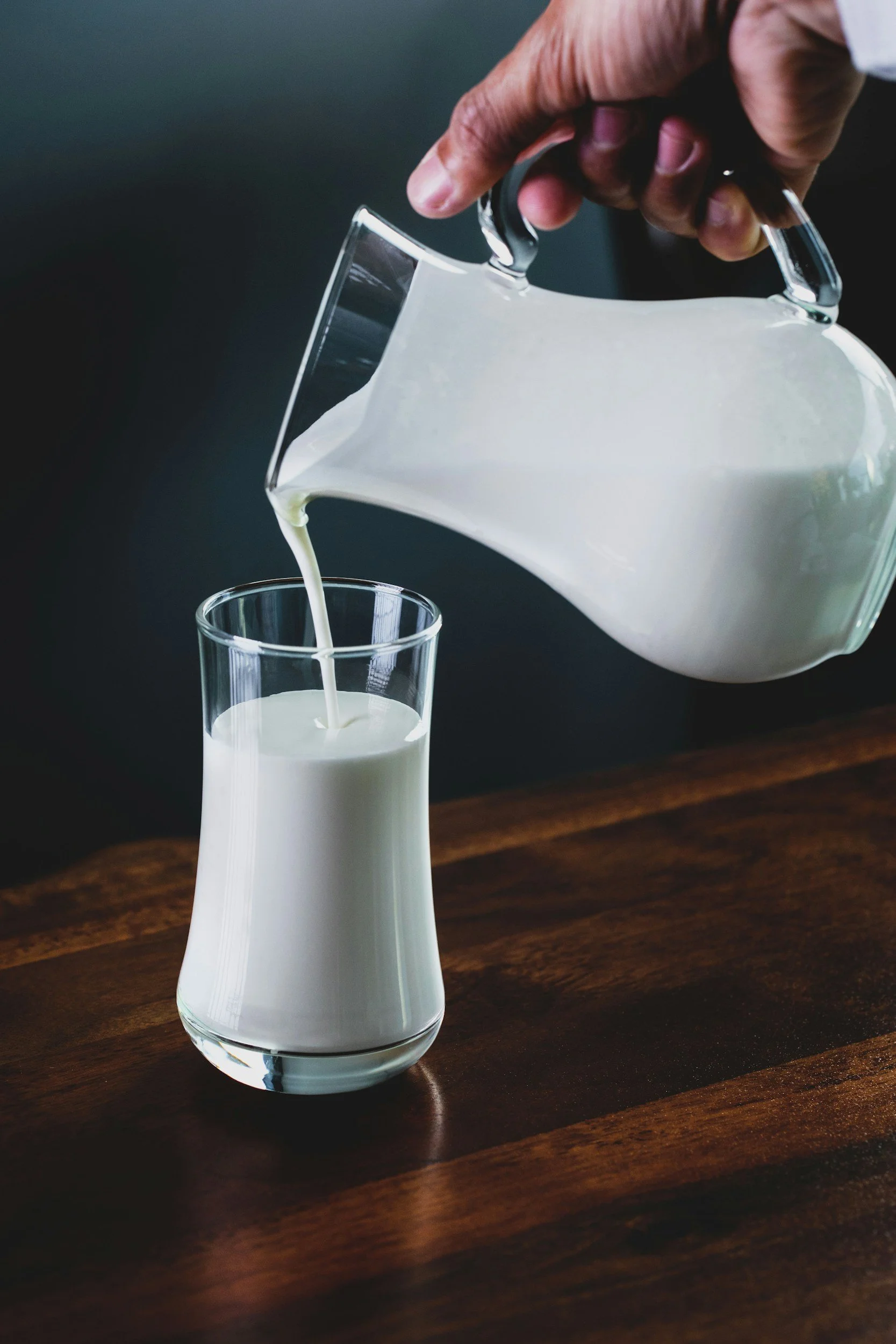
Dairy has had a central role in the human diet for thousands of years.
One of the highlights of raising young children is the delight on their faces when they see something new. Children love to go to zoos and see lots of different kinds of animals. Zoos help us to see animals we wouldn’t normally be able to see, up close. We can see all kinds of reptiles and amphibians - lizards, snakes and turtles. We can see lots of different kinds of fish. And many kinds of animals that live far, far away, like camels and rhinoceroses. We can view forest animals, and some that live at the north and south poles. You name the animal and there is probably a zoo available nearby to allow you to see them. But what people don’t realize is that these animals don’t belong in zoos. They belong in the wild. Keeping them cooped up makes them overly stressed and sometimes they can lash out. Although I have paid to go to zoos and animal circuses in the past, I find myself feeling sorry for those on display, and now more protective. Nobody should live in captivity their entire lives without happiness or joy. Unfortunately, zoos are not the only places where humans control other species.
In a perfect world humans would know more about the natural lives of the animals that provide us with food. We consume an enormous amount of milk, cheese and yogurt, but haven’t really gotten to know the animals that give their all, for us. These animals should be living peacefully out in the fresh air. But alas, that’s not how humans want to treat them in order to exploit their riches - milk and meat. It is so much easier to use them, when you can keep them in crates, and stalls, and filthy conditions. Some people think that animals need humans to protect them from the brutal world beyond the farm fences and barns. No, animals do not need humans to be their guardians. All were born with instincts and special defenses to keep them safe.
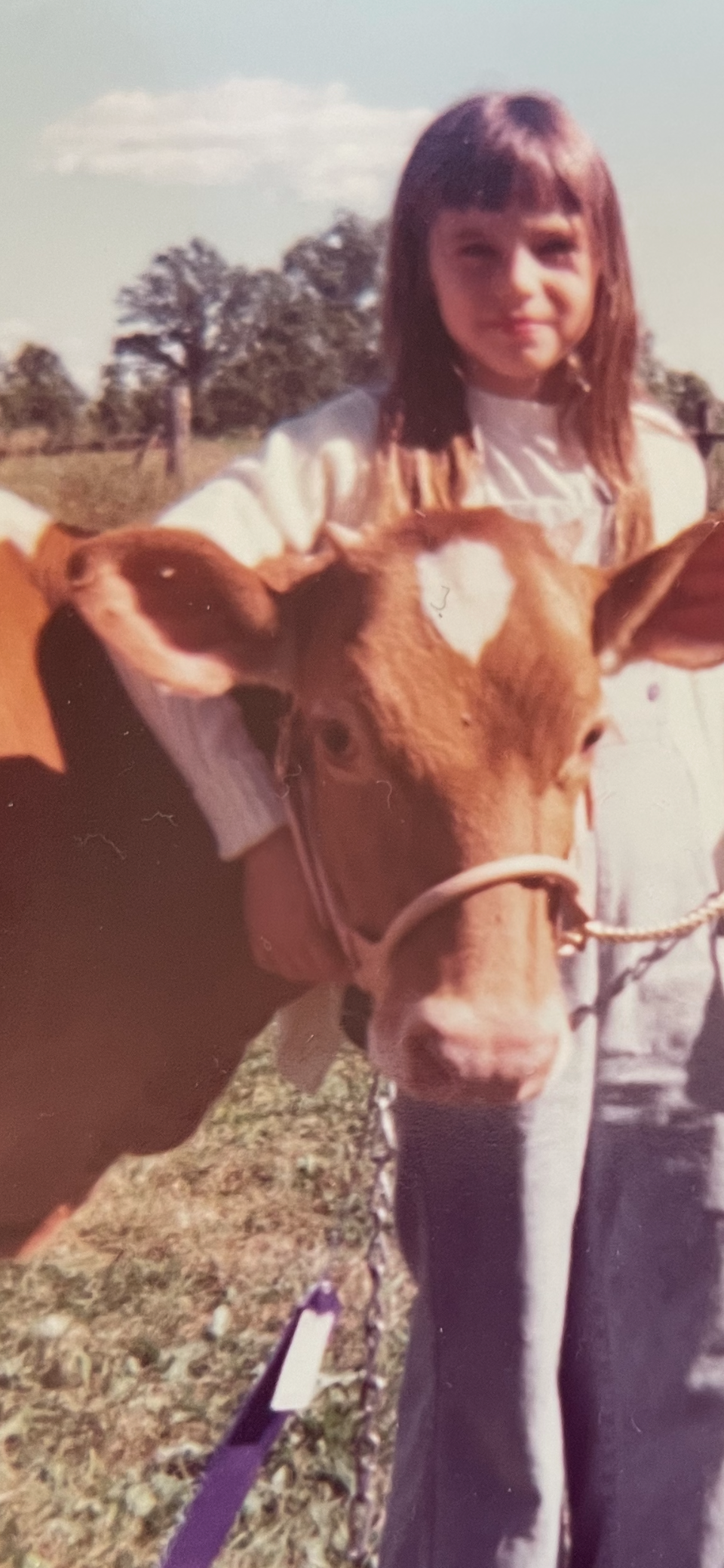
The author with her pet Guernsey cow, Lily. Circa 1977.
Farmed animals like dairy cows are unique in that they are smart, social, curious and loving. Not only do these amazing animals have special skills, and qualities, but they are easy to have fun with – kind of like a pet cat or dog. They have unique personalities and they love to be with their friends. Cows are particularly vulnerable and easy to manipulate because they have big hearts and they trust us. When we give them shelter and something to eat, this signals to them that we care. When farmers send their cattle to the stockyards and slaughterhouses, there is a piece of the farmer that goes, too. Some of these farmers have gotten to know their animals and have a pit in their stomach when it is time to sell them to be killed for food for humans. This has affected farmers so much that it has caused some of them to turn their farms into sanctuaries and their animals into family members. Yes, believe it or not, farming dairy cattle has turned some farmers into vegans. No longer will they eat or use any part of the animals they once owned and profited off of. Creating a sanctuary for farmed animals is a great way to give back and show the world that animals shouldn’t just be alive to be food for people. Farmed animal sanctuaries are now numbered in the hundreds in the United States. You can find out more here.
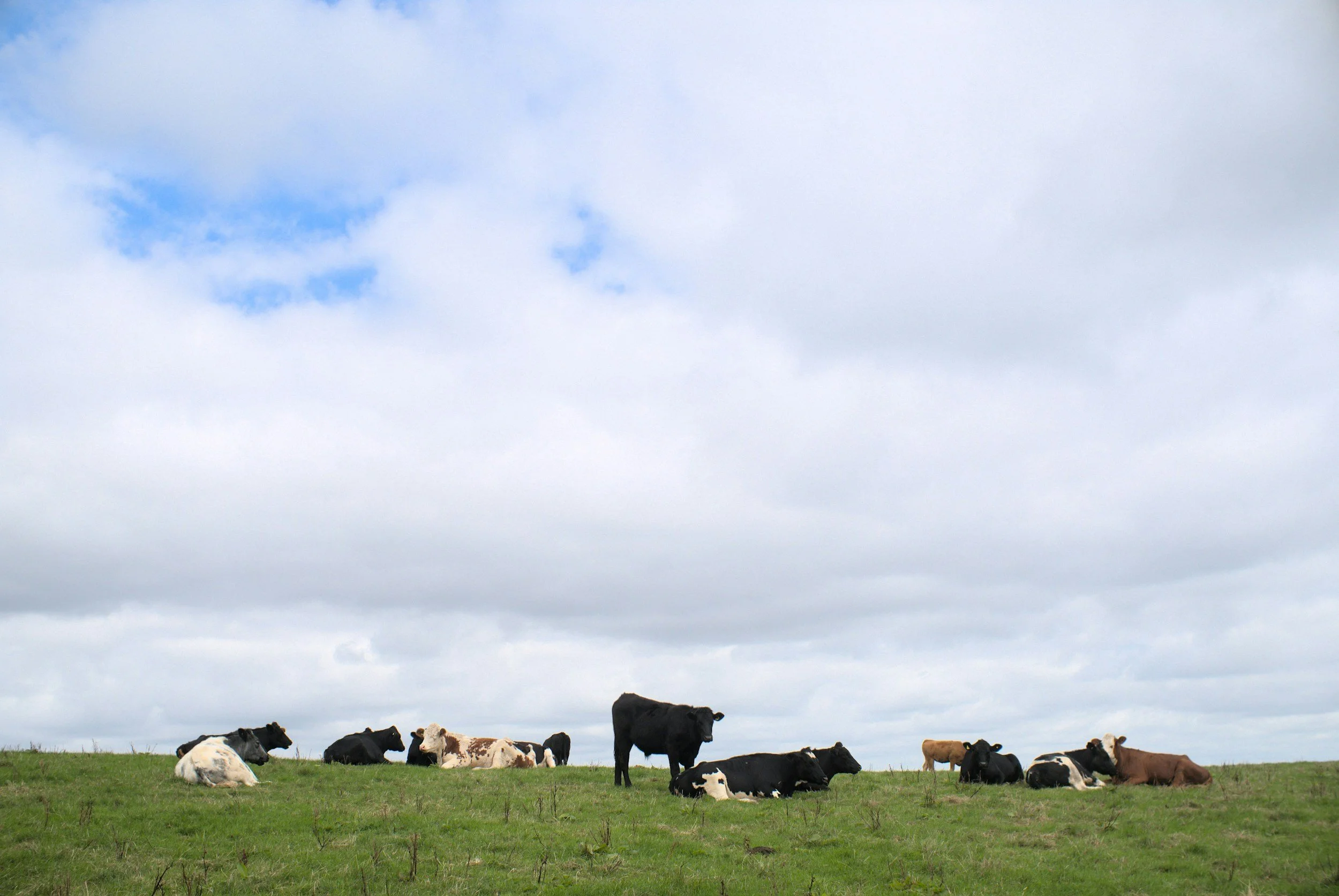
Sanctuaries are a great way to make amends for the damage humans have done to the farm animals we have exploited.
www.americansanctuaryassociation.org
Here are a couple of sanctuaries that are great to support and visit.
https://www.worldanimalprotection.us/latest/blogs/five-farm-sanctuaries-consider-visiting/
Most people assume that dairy is harmless because the cow lives a wonderful life and we just take their milk. We are content believing that all the milked cows out there, are able to live out their lives on a beautiful, green pasture, under the blazing sun, mingling with the other cows in the herd. It is easy to be deceived. If this were the case there might be fewer vegans in the world. When you discover the truth, the sadness you feel for the animals is palpable.
But alas, the world loves its milk and cheese. Some people would do anything to grab some delicious ice cream from their local parlor. Nothing says American like a big, beautiful ice cream cone. Macaroni & Cheese and Cheeseburgers are two of the most popular food dishes in America. I must admit that there was a time that I would eat something made from dairy for every single meal and sometimes even as a snack, too. Was I addicted to dairy foods? Looking back, I think it was possible. Cutting dairy out of my diet was probably one of the hardest things I have ever done. But it was also one of the most rewarding. And the cherry on top is that there are so many delicious substitutes, if you really miss it. Ice cream made from cashew cream or coconut cream are to die for and are readily available. And there are lots of plant milk options, too. I like soy milk because it contains lots of nutrients including protein.
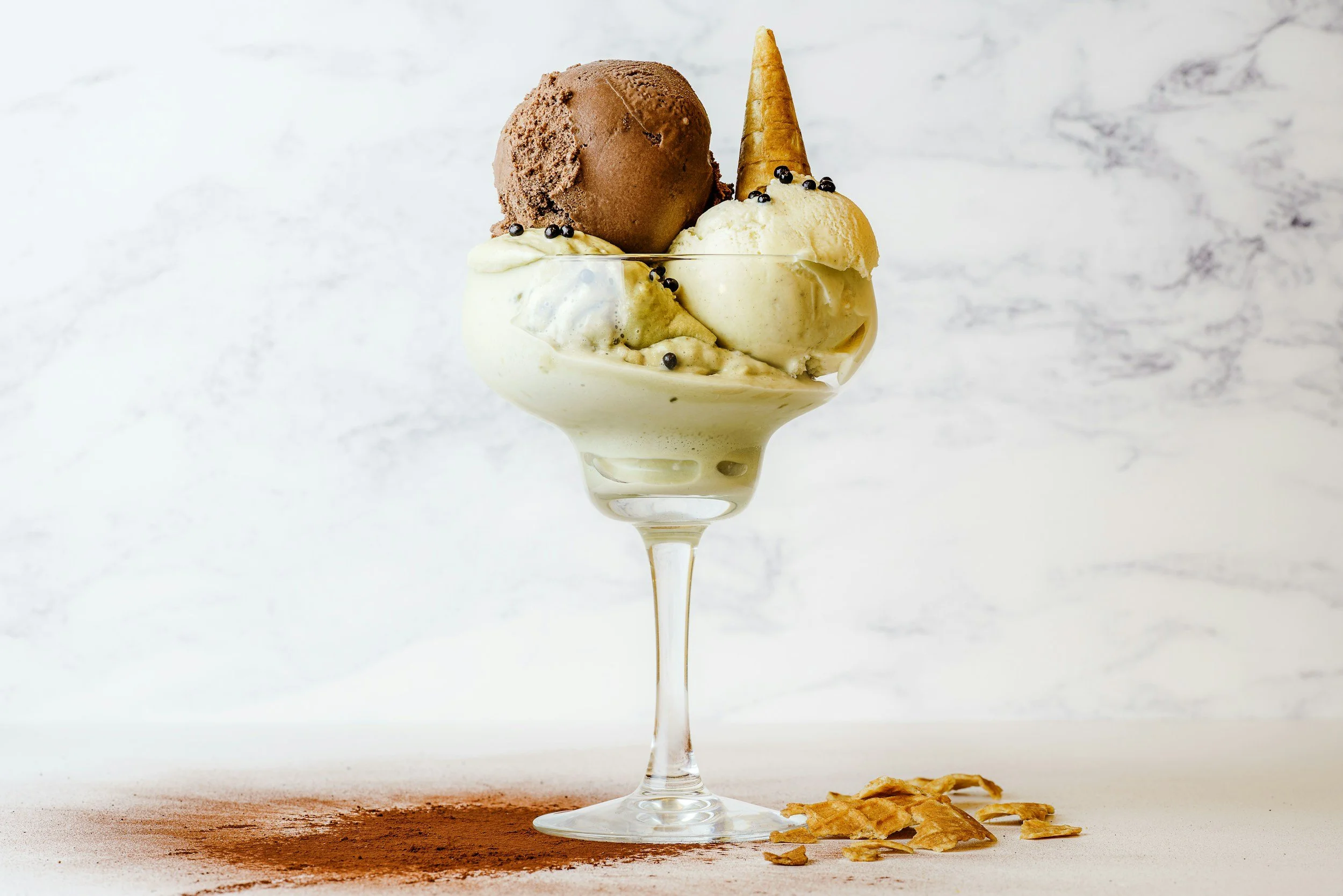
Ice cream is as American as apple pie.
Dairy foods are common in an omnivore diet, but they are the cornerstone of a vegetarian diet. Dairy and eggs are allowed on a vegetarian diet, because these foods do not directly kill the animal, so some say. If only reality was remotely close to this delusional daydream. Dairy in general, is arguably one of the most abusive and unforgiving industries in the world. Most humans treat dairy cows as if they are robots that only need to be fed and fenced in. If the farmer has limited land and needs to house his animals in their own excrement, then so be it. There are no laws telling him he cannot do this. These animals can be hit, kicked, lashed out at, stomped on and housed in filth and there is absolutely nothing anybody can do about it. Humans have decided that cows need nothing more. Reality tells us that the life a dairy cow is one of extreme neglect and abuse. This abuse continues until their bodies are so worn out, they just can’t produce any more. The thought process is that when their bodies reach the point that their milk dries up, and they can no longer have babies, the cows join the slaughter line with all the other animals raised to be killed for food.
“Got Milk?” Or, “Milk, it Does the Body Good.” This has been a slogan the dairy industry has been using for decades. The implication is that dairy is an essential component of the human diet. But this has always been a big, fat lie, The inference is that milk and dairy are the only foods humans can get adequate calcium from. What this slogan doesn’t tell us is that most humans can’t even tolerate dairy. Yes, approximately 65-70% of humans in the world cannot drink milk. Most are lactose intolerant. American Indians and African Americans have a tolerance rate of less than 25-30%. Some people are allergic to the protein in dairy. Either way, why would the dairy industry promote a food that most of us can’t even consume? The assumption has always been that we humans can only get our recommended amounts of calcium and vitamin D from milk as if it is a magical food that we cannot live without. Milk does not usually contain vitamin D, but rather it has been fortified with it. Fun Fact: Those countries that consume the most dairy, do not always have the healthiest bones. The United States consumes a lot of foods made from dairy, and has arguably one of the weakest bone populations on earth. And people living in Asia who cannot tolerate dairy, get their calcium from a variety of other food sources.
https://www.health.harvard.edu/a_to_z/lactose-intolerance-a-to-z
"There are countries like Japan and India where the population is predominantly lactose-intolerant, where milk intake is low and hip fracture rates are also low. But many of these cultures do more weight-bearing activities than Americans," he said. "It's better to be physically active than drink milk as a way to strengthen your bones."
- Christopher Gardner, PhD, Stanford Nutrition Scientist
https://med.stanford.edu/news/all-news/2018/08/christopher-gardner-busts-myths-about-milk.html
Which foods contain calcium that are not dairy foods? Lots of foods contain calcium. Some good sources include green leafy green vegetables, cruciferous vegetables, like bok choy, and broccoli, and some high protein foods, such as, tofu, legumes, seeds, and nuts. Fortified foods like plant milks and orange juice also contain plenty of calcium.
Since we now know that we can live a healthy life without foods made from milk and dairy, what about the lives of the animals that provide us with these foods?
Let’s take a closer look at the lives of these milk machines. When a cow gets pregnant, most of the time, it is by artificial insemination. Very rarely do pregnancies happen naturally among dairy cows these days. Once the animal is pregnant and gives birth, our system does not allow mother and baby to bond or to spend any time together at all. In fact, some farmers use pronged nose coverings for the baby calves so that they hurt the mother cow when they are trying to nurse. No more wasting cows milk on baby cows! Diabolical, I know. These innocent babies who can hardly stand, are soon whisked away to baby huts where they live all alone until the boys are old enough to be killed for veal when they are 8 weeks to 8 months old. The girl calves are taken from their mothers, as well, and raised to get pregnant, over, and over again and to produce milk. Although nature has created milk from cows to be the perfect food for their babies, humans have determined that all that milk is better off in human grocery stores for human consumption. This constant system of pregnancy to milking, over, and over again, does a number on the cows. This process leaches calcium out of the bones of these female cows and often causes a premature weakening of their bones. At the tender age of 4 or 5 years old, these cows have bones that are aged far beyond what they should be. Once their legs cannot hold their large bodies any longer, they can sometimes collapse. Then they are shipped to the slaughterhouse. No pain relief is given. When they fall and can’t get up, they are dragged, other times they are moved by backhoe or tractor. Either way, their painful short lives have ended. Cows can live up to 25 years in nature. Their overworked and fragile bodies are almost treated as if they were trash. Who cares about how they’re treated? Who will miss them? More animals will fill the void. If you have a desire to find out more about a cows plight, this documentary should do the trick.
Below is a short video created to show humans a snapshot of the horrendous lives most dairy cows live. If you’ve chosen to be a vegetarian, because you cannot stomach an animal losing their life, then you may need to view this sooner, rather than later.
https://www.youtube.com/watch?v=UcN7SGGoCNI&list=PLmSzj4R9w2MAI5nTdAL5tDuVxGEvN1Ouz
As if the treatment of animals is not enough to make you rethink your desire to partake in foods made from dairy, let’s review some studies on the human health implications of consuming dairy. We have been told for so long that dairy is an essential food for human health. Dairy provides so many nutrients – phosphorus, calcium, magnesium, vitamin A, vitamin D, protein, etc. Most people don’t question the common knowledge that dairy has been considered essential for quite some time. But if you looked at some studies coming out in the past few years, you may want to reconsider.
Benign Prostate Hyperplasia (BPH) is a condition that is common in older men. This condition can advance to prostate cancer. Should we accept that this condition develops just from getting older or is there something else at play? Studies on prostate cancer are starting to come out and they paint a grim picture of over consuming dairy products, especially high fat dairy.
https://www.sciencedirect.com/science/article/pii/S1476558621000944
Another disease that is getting attention is Type I Diabetes in children. This condition in children has been linked to dairy consumption. The more dairy consumed and the younger the age of introduction to cow’s milk, the greater chance of developing Type I Diabetes as an adolescent. More studies are needed to confirm causation, but what we know now deserves caution. In the meantime, it might make sense to not overindulge in dairy. So, if you are a true believer in young children drinking lots of milk, you might want to try feeding them less dairy and more plant-based foods that can provide calcium instead of relying on milk.
Bottom line, humans have never needed other species milk to be healthy. It is theorized that our love of consuming dairy milk began just 10,000 years ago to allow northern Europeans to survive during brutal winters when plants couldn’t be grown. People originating from this region developed the ability to make lactase, the enzyme that helps us digest lactose in milk, over time. We all need to remember that just because something is deemed to be “normal” does not make it right or the right choice for us. We can do so much better.
https://www.nature.com/articles/nutd201716
https://nutritionfacts.org/blog/milk-consumption-is-linked-to-type-1-diabetes/
I have a dream, that someday, together, we will support the idea that all animals deserve a shot at a good life just like humans do. Yes, of course, we don’t live in a perfect world and some of us will perish long before our time. But if we truly love seeing animals of all kinds, and want to support them, then we need to try and wean ourselves off of the milk they produce. Because the only one that they are producing all that milk for, is their baby.