

5. Meat - Good or Bad?
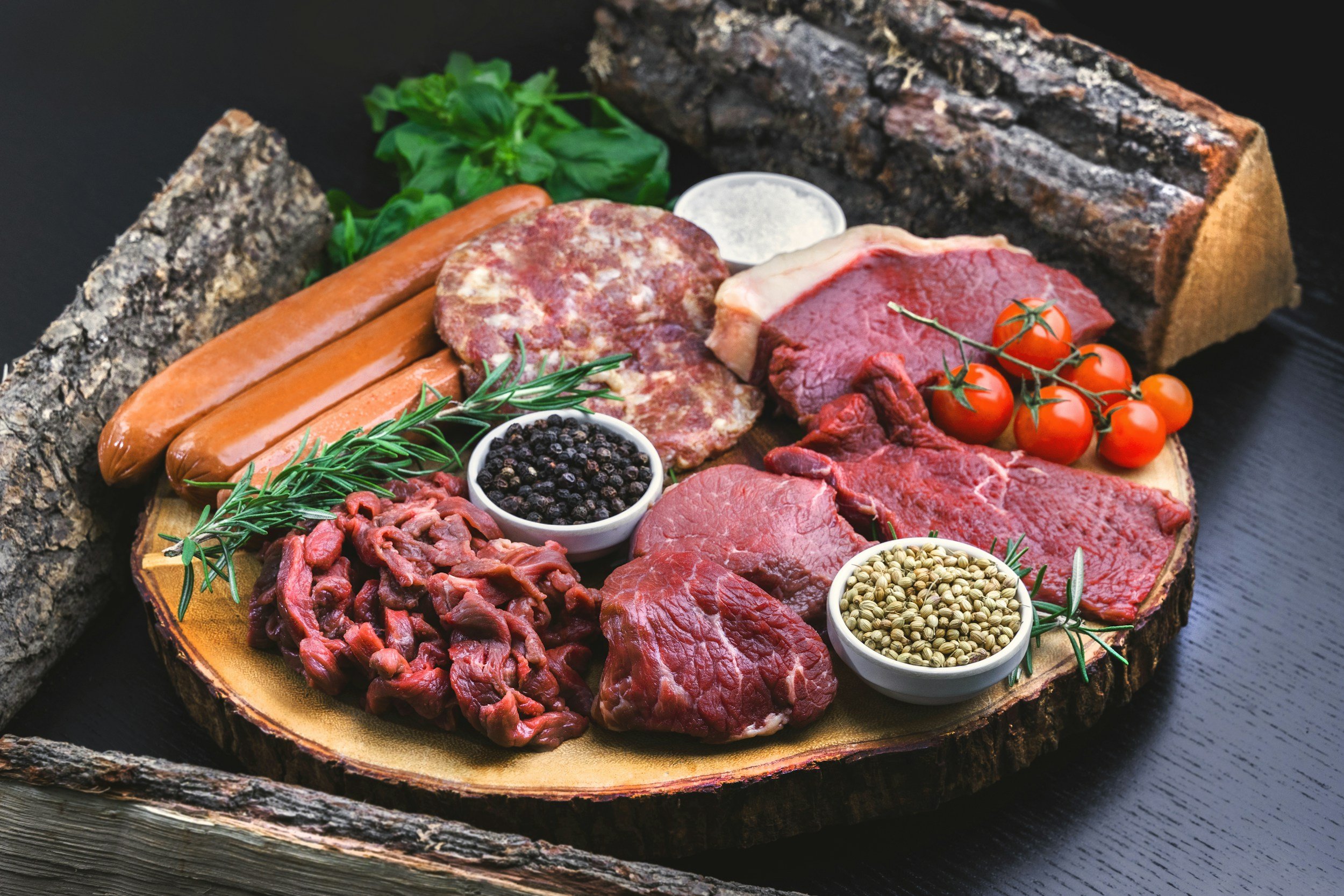
Red meat consumed in high quantities can be especially risky.
Humans have been consuming meat since the beginning of recorded time. Hunting and consuming animals, (especially when the weather was inhospitable to growing plants,) has sustained us throughout our existence. Although people may have gotten sick from eating meat due to spoilage in the past, we have learned that we can slow the growth of microbes with heating, refrigeration, freezing, and salting. Cleaning meat with peracetic or peroxyacetic acid, chlorine baths and irradiation to remove and kill pathogenic bacteria has become commonplace. Although the U.S. has been phasing out chlorine poultry baths for the past 2 decades, do these methods prevent all foodborne illnesses? Nope, not even close, but it has made our meat safer. These processes may help us sleep better at night knowing our food probably is not tainted. However, consuming meat today, for many reasons, has increased our risk for developing many degenerative diseases.
https://www.britannica.com/technology/meat-processing/Preservation-and-storage
Why is meat, disease promoting? Part of this issue may be attributed to the poor health of the animal. We consume the end-product of animals that oftentimes didn’t have a good life, lived in squalor, and were filthy when slaughtered. In the past, humans consumed wild animals who exercised regularly and ate what nature intended for them to eat. Eating a wild animal is far different than eating a confined animal who never had the ability to run or to eat food of their choosing.
Another issue is the massive increase in total consumption of animal parts that humans partake in. Yes, we now eat far more meat than humans have ever eaten. Ironically, many people eat red meat for the iron content. But consuming too much iron in red meat is one of many risk factors for colon cancer. And eating red meat doesn’t guarantee that you will not be iron deficient. Red meat is defined as any meat that comes from hooved animals – cows, horses, pigs, goats, sheep, deer, camels, etc. With the increased consumption of protein from red meat - human kidneys have the potential to get overworked. So what’s wrong with more nitrogen from animal protein being filtered through the kidneys? Too much protein can be a risk factor for developing kidney disease. Kidney disease and cancer risk increases as more animal protein is consumed. Oddly, plant protein does not promote kidney disease, but animal protein creates a much greater risk.
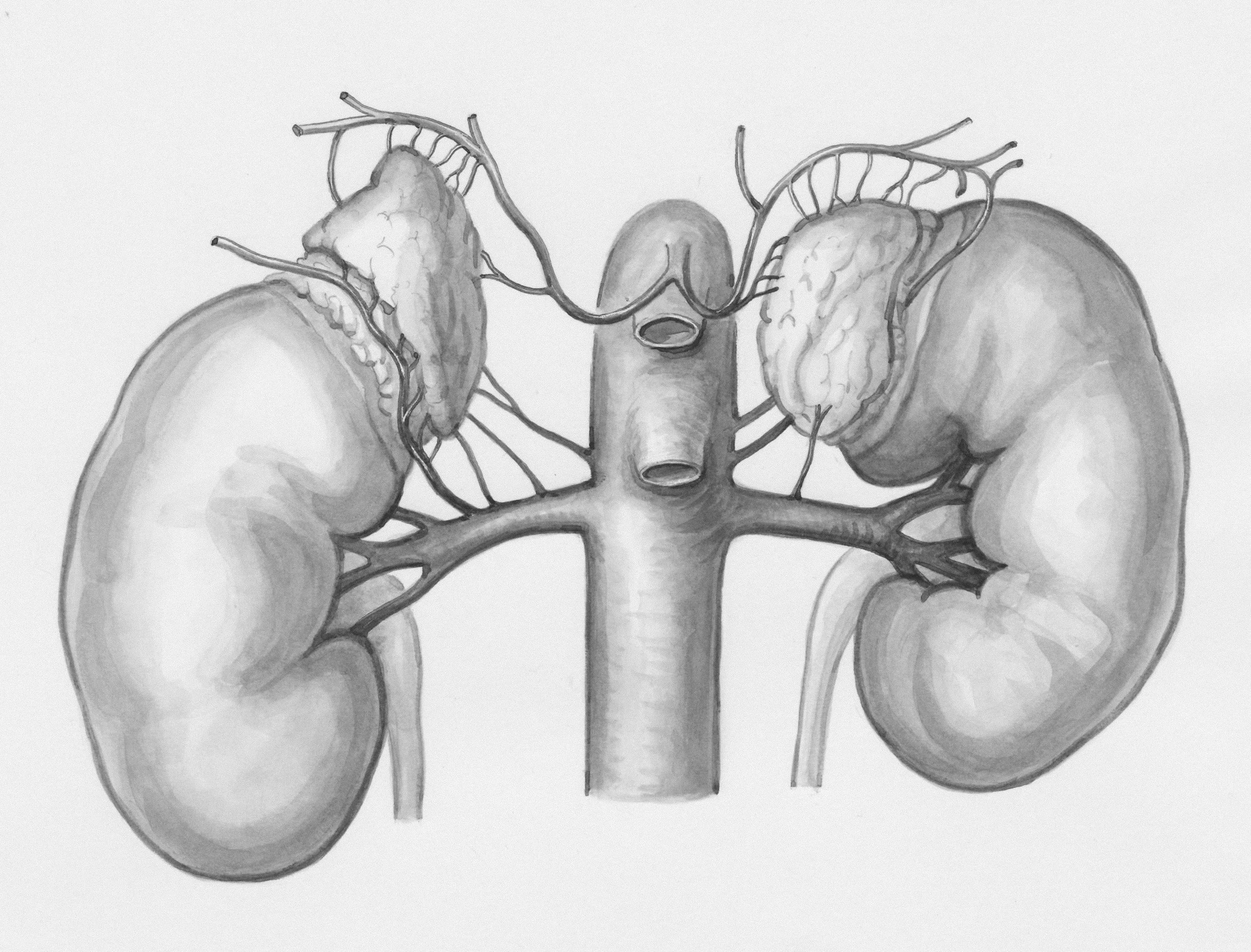
Human kidneys cannot tolerate too much animal protein.
Still another health risk from meat comes from cooking it. The toxic chemicals formed while cooking red meat and processed meat over high heat have been determined to be likely carcinogenic. The chemicals formed are heterocyclic amines (HCA’s) and polycyclic aromatic hydrocarbons (PAH’s.) The more you eat, the higher the risk. Grilled red meat and processed meat are arguably some of the worst things humans can eat to prevent cancer, and yet this is the American way. Most people do not realize that the World Health Organization (WHO) has determined that red meat from all animals who have hooves, is likely carcinogenic. Processed meat or meat that has been treated with chemicals to increase the shelf life (salted, cured or smoked,) is a Group 1 carcinogen, meaning that it is known to cause cancer. Red meat is classified as a Group 2 carcinogen, indicating it most likely causes cancer. Which cancers are these chemicals most likely to cause? Some cancers that have been linked to high heat cooking include leukemia, colorectal cancers, pancreatic cancer and prostate cancer.
The push among social media influencers, that a carnivorous diet was what humans were meant to eat, isn’t just a claim that is not based in science, but it is also a dangerous proclamation considering the human body has limits to how much we can eat without causing disease. Yes, plenty of people consume meat and never get a cancer diagnosis, but they are playing against some significant odds.
https://www.cancer.gov/about-cancer/causes-prevention/risk/diet/cooked-meats-fact-sheet
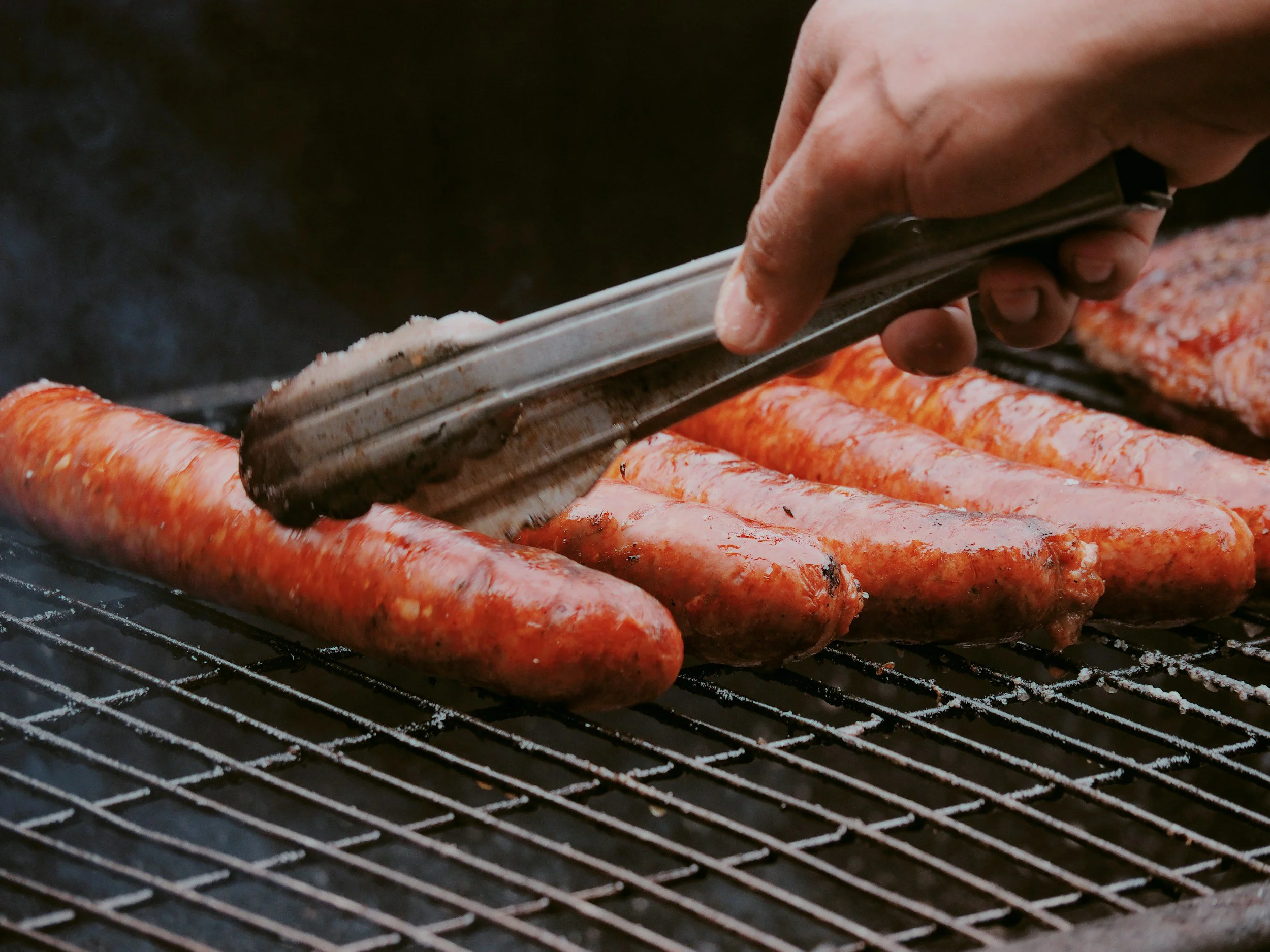
Processed red meat has been determined to be a Group1 carcinogen.
Many of us know that eating too much red meat can be deadly if eaten in quantities that are above established recommendations. Those who avoid red meat turn to dairy and poultry. Through hundreds of studies, we have learned that the fat that is found in red meat, which is saturated, is also pro inflammatory. Some people depend on dairy, chicken and fish, since they are lower fat options. But some studies have shown that consuming too much chicken can increase our chances of developing pancreatic cancer. Fish and dairy are not innocent bystanders, either. Is this risk due to the consumption of an unhealthy animal or is it something else? Does the health risk come from the protein or the fat? At this point, more studies are needed to determine the details. But suffice it to say, that moderation should be the key. I am one to think that if a lot is bad maybe none is best – at least when it comes to meat consumption. Since we can get all the essential amino acids from plants, why not play it safe?
https://pubmed.ncbi.nlm.nih.gov/33432844/
One of the most obvious insights we should take away from these studies is that humans are not carnivores, not even close. We have evolved to eat meat to survive and some of us can consume dairy, but these foods were never intended to be a major part of what humans consume. How do we know this? By looking at the diseases that have developed in the western world that kill us most often. We have discovered the risk factors, and now know that some of these diseases can be stopped or reversed. Heart disease, stroke risk, diabetes, and high blood pressure are just a few health conditions that fall into this category of possible reversal. The number 1 prescribed drug in the United States is Lipitor, a common statin that is prescribed to decrease LDL cholesterol, because elevated levels of LDL are a major risk factor for heart attacks and stroke. If LDL is high in individuals who consume a lot of saturated fat, which we now know is true, then why are we eating these foods to begin with? If this doesn’t prove that we don’t need meat in massive quantities, or at all, I don’t know what else will. The more we eat the greater the risk.
https://ajcn.nutrition.org/article/S0002-9165(22)00856-5/fulltext
Heart disease is the #1 killer of humans across the world. Many studies have shown that heart disease can be halted and reversed by switching to a balanced, whole foods, plant-based diet. Dr. T. Colin Campbell, PhD, a doctor and researcher who wrote the book The China Study has shared his findings and they are eye opening. The researchers compared diets across the world, but focused on the diets of rural Chinese. Dr. Campbell showed that if a person lived in rural China and ate a mostly plant-based, whole foods diet, with a very low risk of having a heart attack, and you moved this person to a western country, and they adopted a westernized diet, the odds were good that their heart attack risk would go up. Many other degenerative diseases followed suit. Was it as clear as black and white? Yes, very close.
https://nutritionstudies.org/the-china-study-3-lessons-we-need-to-know/
What else makes these foods unsafe to eat? Besides an increased risk of cancer, meat can be implicated in foodborne illnesses. We usually do not eat these foods raw, simply because they are a risk for contracting foodborne illness like harmful bacteria, viruses and parasites. Salmonella and E. Coli are common in raw meat and trichinella is a common parasite found in undercooked pork. Although the industry tries its best to keep these foods safe when raw, it is advised that cooking is the best form of defense when it comes to keeping meat safe from microbes.
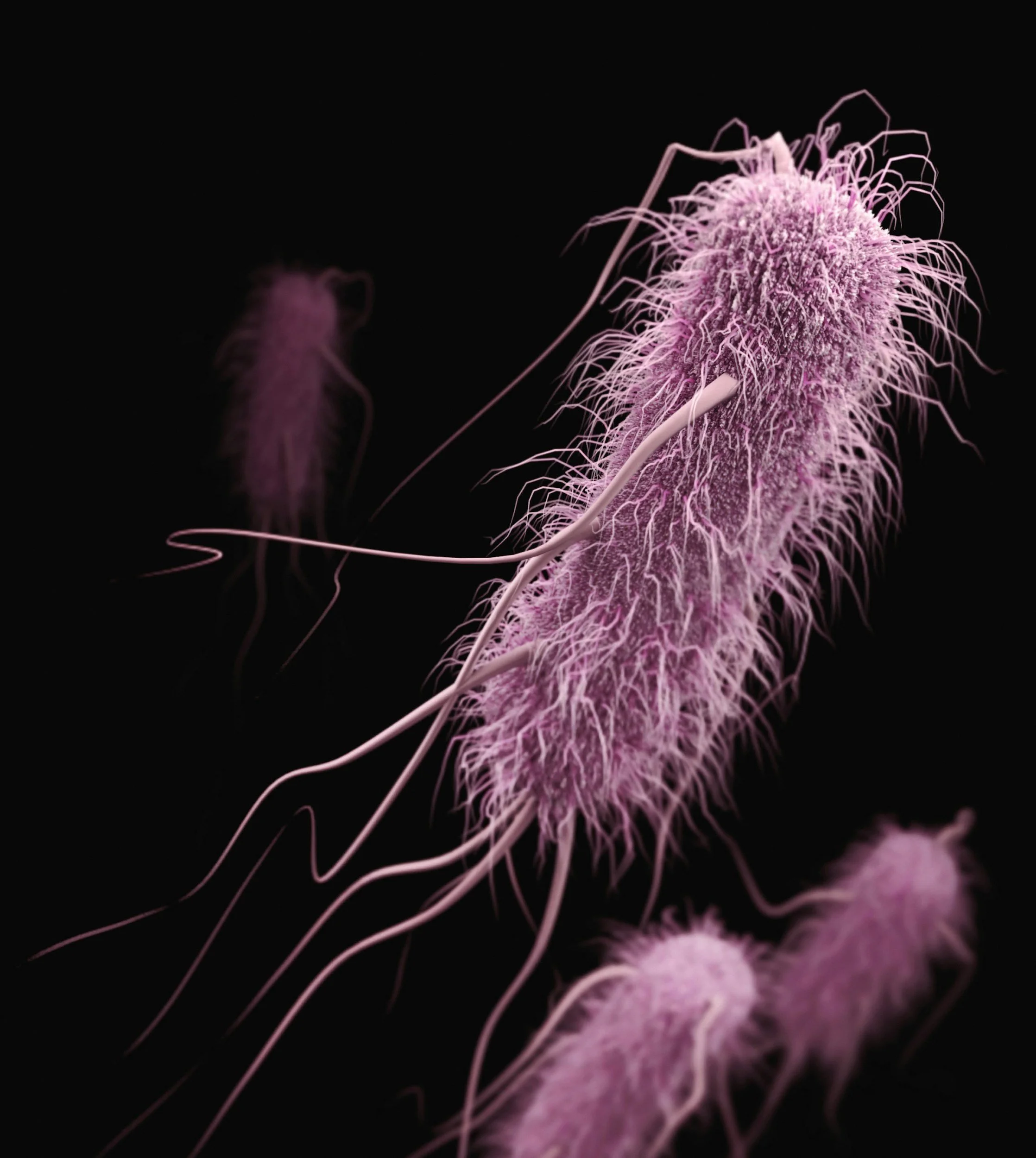
E. coli is a common microbe that is present in food, especially meat.
We haven’t even mentioned the stress hormones that are present when an animal is mistreated. This research is in its infancy but with all the stress our farmed animals are under, without relief, it wouldn’t be surprising if we are consuming their fear and sadness through the hormones in the foods that we eat.
There are plenty of reasons why a meat-heavy, westernized diet is unhealthy. Although much more research needs to be done, the research we have collected so far tells us a cautionary tale of foods that can create inflammation and foods that can make us very sick. What we need to do is demand that our government and manufacturers make our food safer, and our animals be treated like they are the sentient beings that they are. No animal, no matter what species should ever be treated in the way most farmed animals are treated. It is not only appalling and awful for them but it is also disease causing for us. Nothing will change unless we demand a better system. Change takes courage. But some change is for the best. We all deserve so much better.