

4. Getting started with a Plant-Based Diet
“Nothing will benefit human health and increase the chances for survival of life on Earth as much as the evolution to a vegetarian diet.”
Albert Einstein
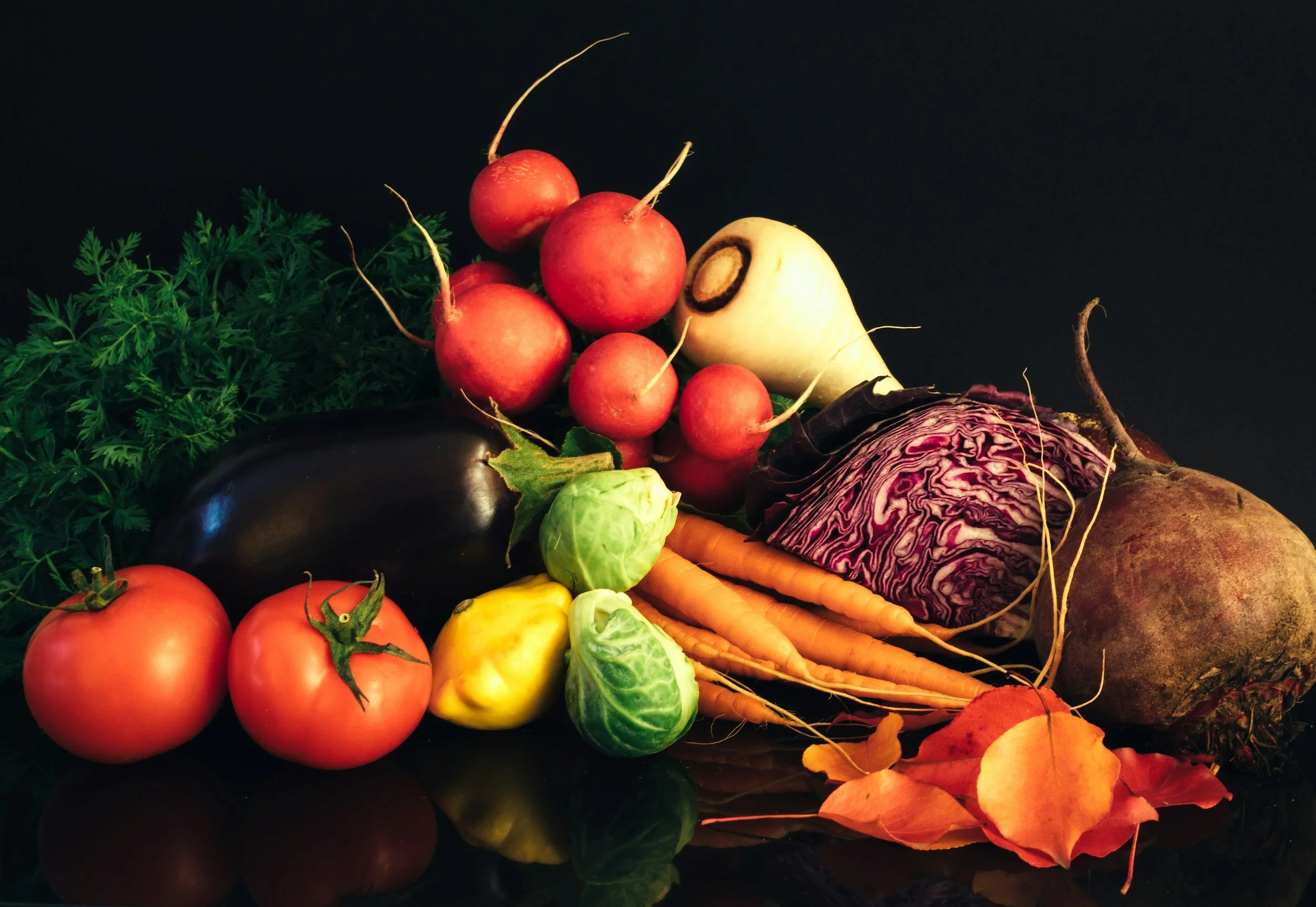
The foundation of a healthy human diet should consist of fresh fruits and vegetables.
You may have heard that adding more vegetables, fruits and whole grains to your meals is a healthy way to eat. However, you may be wondering how to balance all the needed nutrients in dairy, meat and other animal-based foods when switching them out for plant substitutes. I have listed resources that may be useful to you at the end of this article. The Daily Dozen by Dr. Michael Greger, MD is a great guide to find foods we need daily that contain all the nutrients humans need to lead a healthy, happy life. My rule of thumb is that every day I must be sure to get in some form of leafy greens, legumes, whole grains, nuts, seeds, fruits, other vegetables like carrots, broccoli or green beans and plant milk. Even if you are allergic to nuts, then seeds will do as a substitute. These both have healthy fats that are important in a balanced diet. A whole-food, plant-based diet limits the processing of most foods and includes foods that are recognizable from their original form when grown from the ground or from a tree. What about supplements? Keep reading!
One of the first steps in incorporating a plant- based diet into your daily routine is simply to start by adding more vegetables and fruit to your diet. If you already eat more than one or two servings a day, then you are ahead of the curve. The second step would be to move your servings of simple carbohydrates to whole grains. Switching white bread or white rice to whole grain options will pay dividends - and switching white pasta to whole grain alternatives is a healthier change, too. By incorporating these changes, you will be well on your way. Why do these changes make a difference? Because they are removing low nutrient, highly processed foods and adding nutrient dense foods. Consuming foods that are loaded with nutrients should be our #1goal. Simple carbohydrates like sugar and other sweeteners should be kept at a minimum.
The most important thing to remember is that nutrients can be found in lots of different kinds of foods. If herbivore mammals can find enough nutrients in plants to allow them to grow to be thousands of pounds and develop massive muscles, then humans should be able to live a healthy life on these foods, too. I understand the persistent narrative that we cannot live a healthy life without animal-sourced foods. This simply is not true. I have gone over 15 years without these foods. My labs are normal and I am still very active. There are millions of examples of people who avoid eating animals and are perfectly healthy. Of course, Oreos are vegan, too. If you live on a diet of Oreos, you will have health issues. My point is that a vegan diet is a broad umbrella of foods that are not always good for us. We need to stick to the foods that have not been processed too much.
Changing how we eat is emotional. People understandably get scared and cling to societal norms of consuming higher quantities of animal sourced foods or may even go extreme and eat only meat and similar foods. I don’t know of any disease that has been attributed to a balanced, whole-food, plant-based diet, but there are many that have an increased risk if you consume animals – heart disease, vascular disease, some cancers, dementia, kidney failure, metabolic syndrome, high blood pressure, diverticulosis, varicose veins and some autoimmune disorders, just to name a few.

Giraffes are herbivores and they get plenty of protein.
Since other mammals can get all their nutrients from plant-sourced foods and don’t need a scientist to tell them which foods to eat or supplements to take to be healthy, maybe eating a well-balanced, plant-based diet isn’t so hard after all. Yes, they do have different digestive systems, but they are only different because they need to break down tough fibers similar to wood. We don’t eat wood, we eat soft greens and these are easy for us to digest. From personal experience I will admit that the toughest thing for me and the roadblock that I had the hardest time removing from my life was the persistent idea that we absolutely needed animal sourced foods to live a healthy life. This idea has been drilled into our heads for millennia. I cannot tell you how many people have asked me why I would switch my diet to eating plants. They wondered how I would get my needed protein requirements. Yet here I am, still able to exercise and build up plenty of muscle without consuming animals. It is false that you need animal sourced foods to be healthy and it’s false that you cannot get all your needed protein any other way. Plenty of foods that are grown from the ground are abundant in protein. I often wonder why this idea has crept into most of our minds and has stayed vigilant? There are probably lots of reasons for this. The first, we are being bombarded by propaganda made by people who don’t know what they are talking about, who say you will die or become sick on a plant-based diet. Second, many older doctors went through medical school and training without learning much about proper diet or nutrition. So, of course, they would not be a good resource for this type of guidance. But since medicine and preventive health are related, we all assume doctors must know everything about nutrition. A third reason has been that the industry that keeps meat alive has been committed to doing everything in their power to keep it going. They don’t care about the suffering and pain they inflict on innocent beings. They just want to make a buck in an industry that they know well. So, they push the diets that are the most meat heavy. I suppose this keeps hospitals in business too.
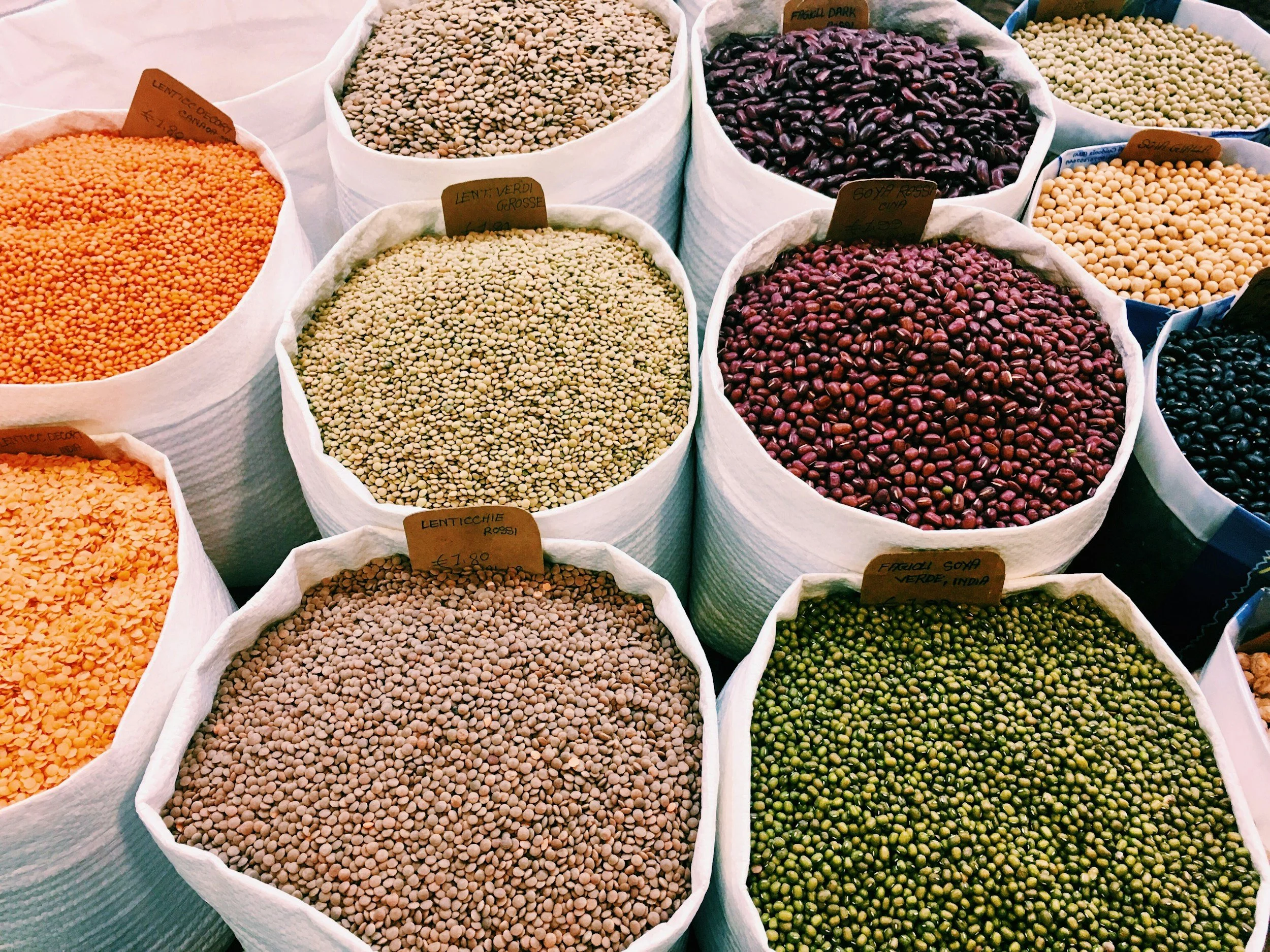
Lentils, beans and peas are high in protein and beneficial fiber.
Trying something new can leave you feeling unsure and nervous. Especially if the new thing is an adventure that not many people around you have tried. I ate animals for most of my life, so I honestly cannot judge anyone. But I can also tell you that after having worked in long-term care, nursing homes and hospitals, there is no question in my mind that our society needs to redirect our eating to a more whole-foods and plant-based diet. With that in mind, I am here to help educate and support anyone with an interest in eating more plant-based meals. Back when I was just beginning to think plant-based might be a better option for me, I was concerned with the untimely deaths of loved ones in my family. Why did they pass before their time and what was it about their lifestyle that put them at risk? Nothing is guaranteed in life. Many illnesses have a genetic twist to them. But many have an environmental influence as well.
Maybe by trying a plant-based diet, it will just be a review for you, and you won’t learn anything new at all. But maybe you will find that learning about and trying plant-based meals can be rewarding, comforting and just simply helpful to find more ways to get plants onto our plates. I hope it makes you feel enlightened, supported and encouraged. There are so many variables that we cannot control. The variables we can control like diet and exercise shouldn’t be so complicated. Many experts have come to different conclusions about what is best for longevity and vitality. I try to follow the science and not just my subjective opinion. With more discoveries comes more solid information. When we put the pieces together, we will eventually find a solid solution. In the meantime, we will look at what we already know.
Change takes time. Give yourself time to learn and adjust. Know that our society for good or bad has learned to use almost every inch of the carcass of the animals that we kill to provide us with food and many byproducts. With this fact in mind, you will find, that animal products are in just about everything we use as humans. Animal products are in lotions, nail polish, hair products, bedding, clothing, coats, boots, shoes, glue, automobiles, furniture, wine, candy, sugar and food. Even when you think it is not in something, there’s a good chance it still is. One of the first steps in using fewer animals in your life is to read labels. Labels on food, clothing and labels on household items will give you a snapshot of what was used to make the item. Most food items that are vegan will be labeled vegan. Sometimes just a green circle on the back of the package that says it is vegan will exist. Keep your eyes open. If you feel overwhelmed with reading labels, it’s okay to take a break and to not be perfect. Just keep moving forward. If you want to learn more about items that may not seem obviously vegan, you can peek at this comprehensive list created by PETA.
PETA has published a list of ingredients that are not vegan. Sometimes it is hard to know just by looking at something. Some of these ingredients, sound like they could have come from plants like gelatin, but nope. Gelatin is taken from animal parts.
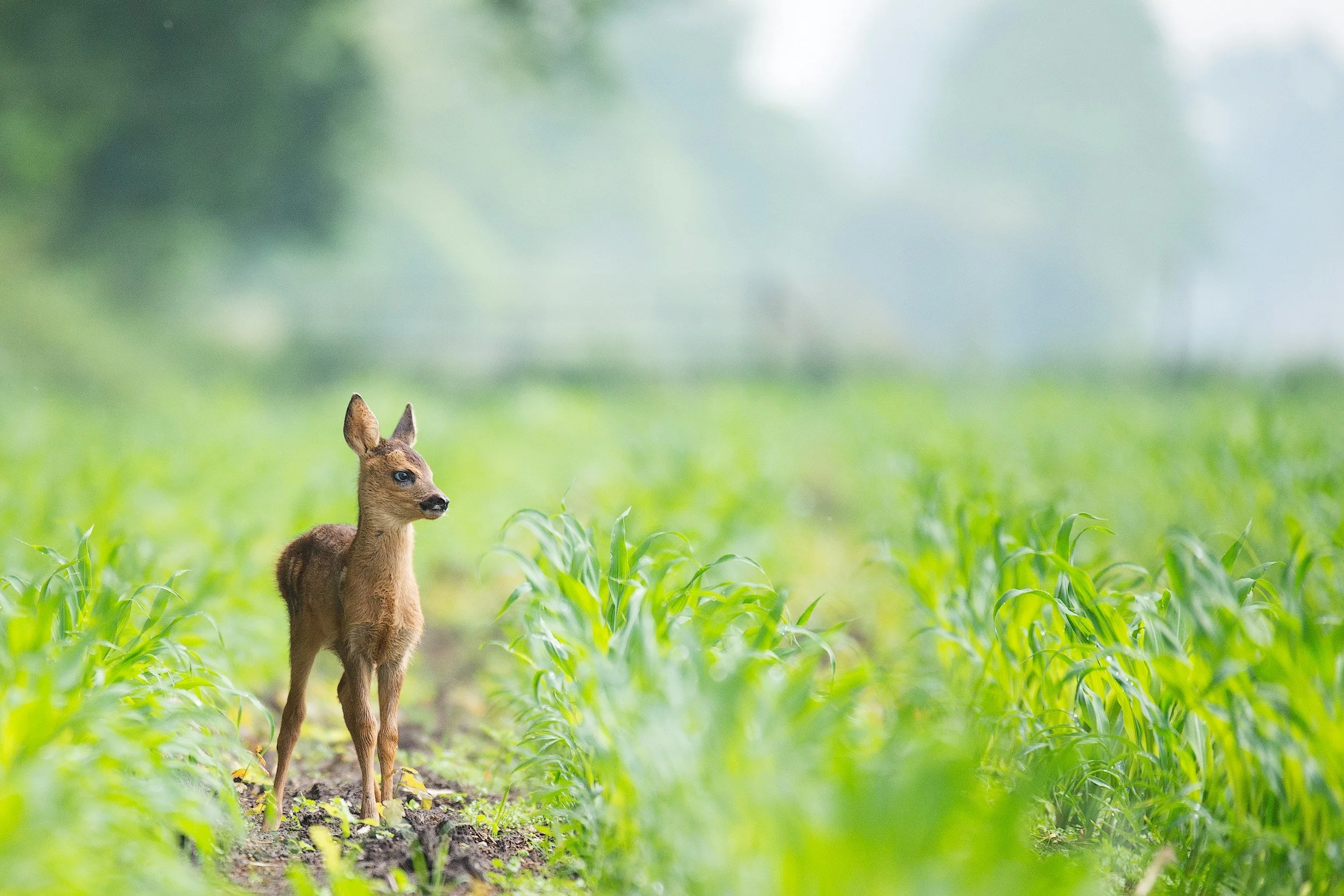
All animals deserve a shot at a happy life.
https://www.peta.org/living/food/animal-ingredients-list/
When I first began my journey to plant-based, I started to remove meat from my plate first. In doing so, I raised my fiber intake substantially. How did I do this? I swapped meat for dried beans, lentils and dried peas. When coupled with whole grains like brown rice or farro, the essential amino acids that humans require are provided. The non-essential amino acids are then produced by the human body from the essential ones. Legumes are high in protein, high in fiber and high in micronutrients like magnesium, manganese, zinc and iron. Beans and peas and all legumes are great sources of trace minerals and B vitamins. Initially, I just needed a few recipes to get me through. Along with avoiding meat, I also started to look at my wardrobe and decided no more wool, cashmere or goose down for me. Luckily, there are lots of alternative options that can keep you warm and allow the animals to keep their own fur and feathers. The next thing I did was research alternatives for leather shoes. This has become easier with each passing day. Lots of brands are popping up that are well crafted and stylish – you may not even know they are not made of real leather. One of my favorites is Matt & Nat. They make shoes, boots and bags. This company is based in Montreal, Canada.
“Vegetarian food leaves a deep impression on our nature. If the whole world adopts vegetarianism, it can change the destiny of humankind.”
Mahatma Gandhi
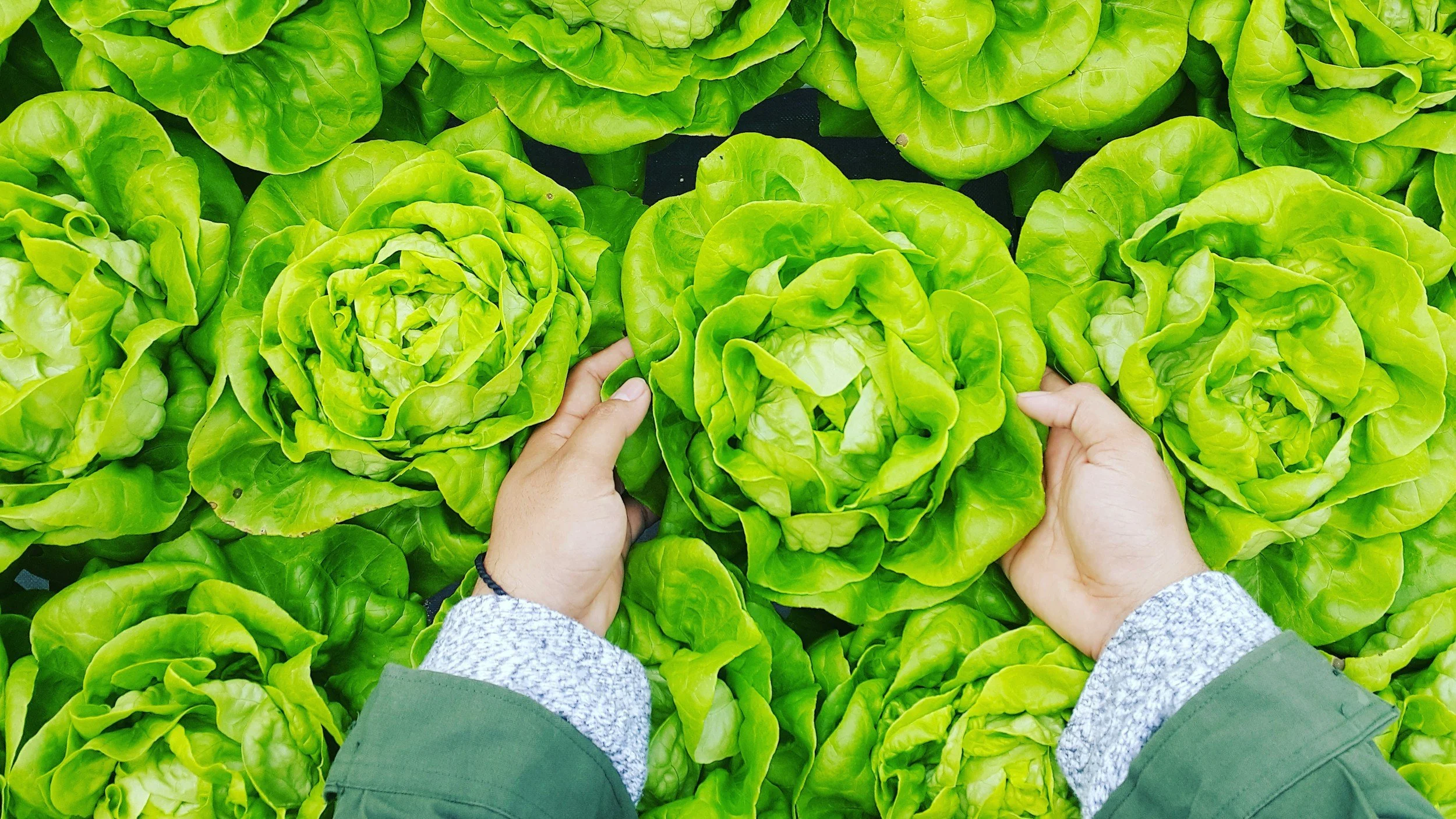
Greens are so nutrient dense, they should find a place in your daily meal plan.
The more we can learn to reject animal-sourced items or find replacements, the more convinced corporations and manufacturers will be to try something new, something cruelty-free, and something worth buying. I have hope that this tide has begun to turn. Some automobile manufacturers are now offering alternatives to leather seats – leather made from recyclable plastics, pineapple, apples, cactus and coconut to name a few. Which companies have offered an alternative to leather seats? Some of them include BMW, Mercedes-Benz, Rivian, Tesla, Volkswagen, and Volvo. Others are almost there. A simple search on your favorite search engine will turn up lots of manufacturers and fashion designers that are now trying to use sustainable, cruelty-free sourced textiles. We are on a roll, let’s keep it going. Down pillows, blankets and clothing manufacturers are finding alternative options, as well. And the best part is, you can’t even tell a difference – the alternatives are just as warm, fluffy and soft as the real thing. https://vegnews.com/auto-makers-vegan-leather-interior
Eating a vegan, plant-based diet shouldn’t make you feel like you are in prison or have chains dragging you down. Instead, you should feel great, liberated, free, and independent knowing you are trying to ease the pain for those caught up in such an awful industry. I love the food I have chosen to consume, and I don’t miss meat, milk, cheese, eggs or fish at all. I get all the nutrients my body needs and I have lots of energy most days. At first it may seem overwhelming, but I promise you that if you can stick with it and find your favorite foods, you will be glad you are no longer giving your hard-earned money to those who do harm to innocent beings. Animals should not be on earth only to make human taste buds happy. These amazing creatures deserve the opportunity to love and be loved, just like we do.
You may be wondering if you need a supplement to go plant-based and vegan. If you are healthy and you eat a balanced diet, the 3 nutrients that you might not get enough of are – vitamin B12, omega-3 fatty acids and zinc. Iron can also be limiting if you tend to be iron deficient. You can get all of these nutrients from fortified foods. This would then prevent you from having to take supplements at all. Some vegan protein shakes have these nutrients added. I often mix these shakes with some soy milk for extra protein and nutrients like vitamin B12 and calcium. If you wanted to take a supplement to cover your bases, a B-complex is the one that is most important. The B vitamins are also water soluble, so your body does not store these nutrients in any significant quantities. It’s usually a safe and effective supplement to take.
Omega-3 and omega-6 fatty acids are the only fats that are essential for human health. They are both provided by plants. Omega-6 fatty acids, are essential fats that we tend to eat a lot of and these come from vegetable fats, seeds and nuts. Omega-3 fatty acids are famous for being in fatty fish. But where do the fatty fish get these fatty acids? This fat is something that has moved up the ecological pyramid of eating. In our seas, plankton eat algae. Algae is the source of the omega-3 fatty acids. Small fish eat the plankton. Larger fish eat the smaller fish and extra large fish eat the large fish. We eat all the fish, at least some of us do. But we can cut out the middle man and just take a supplement made from algae or find food that has been supplemented with it. I take a vegan, algae, omega-3 supplement 3 times a week to be sure I am getting this very important nutrient in my diet. Algae supplements should provide you with the more effective EPA and DHA forms of omega-3. Read the label to be sure.
It has never been a better time to learn about a plant-based meal plan than it is now. There are so many resources. I really like the website by Dr. Michael Greger. He can explain complicated issues and make them sound easier to understand.
You can learn so much from the videos offered on this website and the nutritional basis of each group of foods recommended. Dr. Greger has developed the Daily Dozen – foods that you should eat every day to be sure you are getting all the nutrients your body needs.
Forks over knives is another website that offers support and help.
And the Physicians Committee for Responsible Medicine is yet another resource for you to use. This group is actively trying to help animals in awful situations. If you are looking to donate to an animal supporter, this would be a good one.
As far as knowing how many servings you should be eating from each food group, I really like the MY PLATE calculator. This is a tool you can use to determine how many calories your body needs for maintenance, weight loss or weight gain and how many servings of each food group on the MY PLATE you need to get all your required nutrients.
https://www.myplate.gov/myplate-plan
I like the food groups, per set number of calories you are looking to eat. Here is a chart for 1800 calories.
https://www.myplate.gov/myplate-plan/results/english/14-99/1800
When the My Plate website lists protein and dairy food groups, they also list alternatives for them if you are following a plant-based diet.
Remember, eating properly shouldn’t feel like you need a PhD degree in nutrition. Just follow some basic guidelines and you will be good to go.