

3. Carbohydrates, Friend or Enemy?
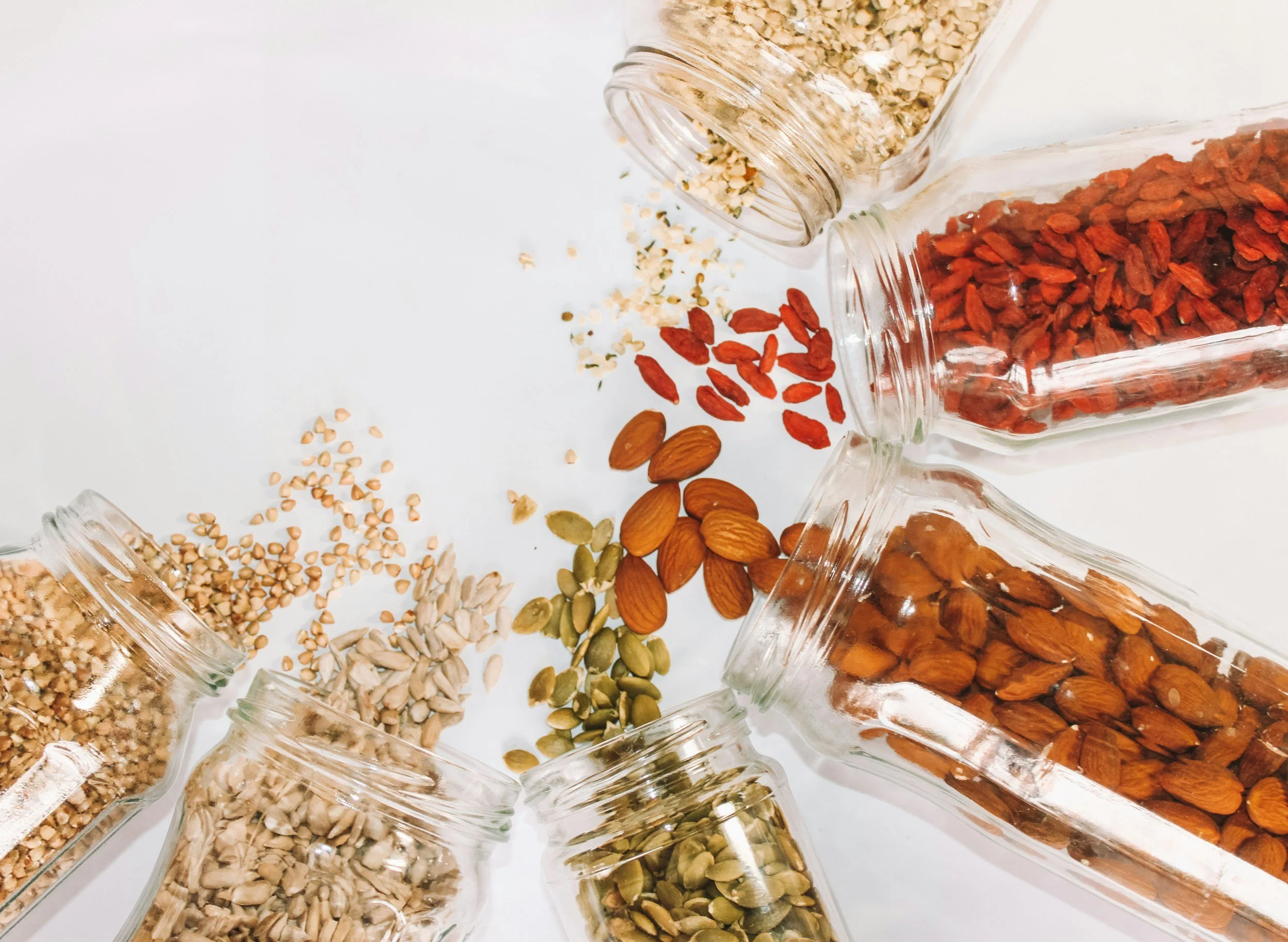
Whole grains are essential for a healthy life.
The debate on carbohydrates has been going on for 200 years, maybe longer. We have learned so much about carbohydrates and their influence on our metabolism through science. But are all carbohydrates the same and are all of them bad for our health? Let’s take a deep dive into the history of cutting back on carbs in our diet, how this effects our weight and why whole grains and complex carbohydrates are a crucial part of our diet and ultimately our health.
William Banting (1796-1878) was the first known champion for a modern-day low-carbohydrate diet for weight loss. Robert Atkins (1930-2003) made low carbohydrate diets more popular in the 1970’s to 2000’s and beyond with the Adkins Diet. Both desperately wanted to help people to lose weight and both recommended restricting carbohydrates. As with anything in life, if a little bit is good for you, a lot is not always better. You can use this same logic with carbohydrates. If cutting back a little is good for you, some assume that by cutting them completely out, our health would be so much better. This mindset is wrong for so many reasons. Carbohydrates have gotten a bad reputation, but they are crucial for a healthy body. Choosing the right sources and in the right amounts, carbohydrates can be beneficial. They can also help us lose weight and maintain a healthy body size. Yes, that was not a typo, they can help us lose weight if we choose the right type and amount. The problem with carbohydrates is that the good ones and the bad ones are clumped together under a large umbrella. All carbohydrates are not the same. Carbohydrates cover simple sugars, simple carbohydrates and complex grains. But what most people don’t understand is that white bread, white rice, and white pasta can be digested in the human body as if they are not much different than sugar. Why? Since these carbs lack fiber, they get digested and absorbed quicker. And this is part of what makes them unhealthy. Also, when the fiber from a grain is removed, many of the nutrients are removed, too.
Bunting didn’t seem to appreciate the difference between high fiber whole grains vs simple sugars. If he did, he didn’t make this known. After years of trying to lose weight by every option available – exercise, low calorie diets and a combination of the two, Banting consulted Dr. William Harvey of the Royal College of Surgeons. Harvey was an ear, nose, and throat specialist. Dr. Harvey had suggested Banting lower his total carbohydrates – removing bread, butter, milk, sugar, beer and potatoes from his diet. Banting’s weight dropped a pound a week for an entire year. Banting was so profoundly impressed with his new diet that he wrote a paper on it and became locally famous for his discovery. So, what did Banting eat? Mostly meat, fish and eggs, very little carbohydrate, and lots of fat.
Adkins found success with weight loss along the same lines – eggs and bacon for breakfast, burgers without the bun, and cut out the fruit. Adkins, a cardiologist, was convinced that weight gain was a major risk factor for developing poor health and that carbohydrates were the culprit. Although this line of thinking can help drop extra pounds, was it really that healthy when it comes to lowering your risk factors for other diet related health disorders?
Banting and Atkins were successful at figuring out one way to lose weight. They found that carbohydrates, especially the simple carbohydrates (or sugars and sweeteners) can cause you to gain weight if you consume too many. Both went a step further and cut out dairy, fruit and carbohydrate heavy vegetables. Both found success when advising low carbohydrate diets coupled with increasing protein and fat. Adkins, however, progressed in phases that became less restrictive over time – a sort of maintenance level. The Keto diet piggybacked on the Adkins diet of low carbohydrates but went far more restrictive. All of these diets point to carbohydrates as the culprit when it comes to weight gain. Although lots of people have lost weight by limiting their carbohydrates which is a really good thing. Sometimes just switching out the bad ones with the good ones can make a difference.
The human body, especially the brain and muscles run on glucose (simple carbs,) but are mostly maintained by the essential fatty acids, omega-3 and omega-6. If no or very little glucose is provided in the diet, then our bodies have no other choice but to break down muscle and fat in order to maintain blood glucose levels. This is how our weight falls initially, so quickly. As a last resort, the human body breaks down fat and then uses ketones instead of glucose to fuel the body. This is called ketosis, hence the name for the newer version, the Keto Diet. But sometimes there is a darker side to cutting out carbs.
https://pubmed.ncbi.nlm.nih.gov/20329590/
What is the dark side of such a diet? Keto flu is a condition that many experience when their glucose levels run low and the body resorts to using ketones for fuel – this includes moodiness, tiredness, constipation, indigestion, dizziness, bad breath and headaches. All of this makes perfect sense. But can these symptoms lead to other health problems? Constipation which can result from a high protein, high fat, low carbohydrate, low fiber diet is not good for intestinal health. A low fiber diet has the potential to wipe out good bacteria that are part of a healthy microbiome. This type of diet is also a risk factor for diverticulosis.
A meat heavy diet can introduce some bad bacteria, and this can turn into a vicious cycle. High fiber diets provide prebiotics for healthy bacteria to proliferate. Without a healthy microbiome, we become susceptible to infections and health disorders. We may also experience gas and indigestion. When pathogenic microbes explode while health promoting bacteria die off, this condition can cause problems like leaky gut syndrome (not a formal condition but one that is referenced in healthcare) and autoimmune disorders. This could also lead to deadly colon cancer and possibly other intestinal carcinomas.
https://pubmed.ncbi.nlm.nih.gov/33605849/
https://pmc.ncbi.nlm.nih.gov/articles/PMC9018894/
Another potential pitfall for those on meat heavy diets, is that short chained fatty acids may not be formed in ample amounts, simply because the bacteria that make them are in short supply. Short chain fatty acids are a source of energy that feeds healthy colon cells and keeps the GI lining healthy. The good bacteria break down much of the fiber we consume and create short chain fatty acids in the colon. Without fiber, the short chain fatty acid production line will malfunction, possibly leaving our bodies vulnerable to disease.
https://pmc.ncbi.nlm.nih.gov/articles/PMC7002227/
Is there anything else that high fiber carbohydrates are good for? Soluble fiber foods such as legumes and oats produce a natural form of GLP-1 hormones, although a bit weaker than the GLP-1 hormones that can be prescribed by a doctor. Do natural GLP-1’s work just like the prescription ones do? Yes, actually, but they are quite a bit weaker. Our bodies require these foods for intestinal balance and health and to function properly and prevent disease. Fiber can also help us maintain a healthy weight and maintain a healthy cholesterol level, too.
https://www.youtube.com/watch?v=2nfJRAl6PC0
Most of us struggle with elevated LDL cholesterol. Part of the reason this is a challenge is because the human body has evolved to hang on to cholesterol. We are very good at recycling cholesterol. Our livers convert saturated fat to cholesterol, as well. In total that’s a lot of cholesterol. When we eat, bile is released from the gallbladder and liver to help emulsify the fats. Bile contains a lot of cholesterol. Most of the bile can then be reabsorbed and the rercycle process begins anew. What happens when we eat a lot of saturated fat, the kind of fat that comes with steaks and burgers and high fat dairy? Our bodies convert it to cholesterol and the pool gets bigger. Of course, some of this fat is used to produce hormones, neurotransmitters and other vital chemical messengers. However, on average humans consume too much of this fat. One of the most natural ways to remove cholesterol from the human body is to eat fiber from whole grains. Whole grains can absorb some of the cholesterol and remove it from the body. Like taking out the trash, this cholesterol is gone forever. This is one of the many reasons why eating whole grain carbs is so crucial for great health. Never mistake simple carbs for complex, high fiber carbs. They are not the same, not even close.
Whole grain carbohydrates supply us with vitamin E, crucial for maintaining a healthy nervous system, and with iron, zinc, magnesium, manganese and the B vitamins. Of course, lots of fiber is provided, as well.
Are all simple sugars bad? What about sugar substitutes?
The simplest molecules of carbohydrates are the monosaccharides - glucose, fructose and galactose. These simple monosaccharides pair up to form different disaccharides. Two glucose molecules form a sugar called maltose. Maltose can be found in amylose from complex carbohydrates like whole grains. Sucrose is made up of one glucose and one fructose molecule and is defined as simple table sugar. Lactose, the sugar in dairy, consists of one glucose and one galactose molecule. Lactose (milk sugar) is not tolerated well by humans and has a human intolerance level of about 60%. This means about this percentage of humans cannot tolerate dairy products that contain lactose at all. So what about table sugar?
Sugar was plentiful and inexpensive in the United States until the 1962 Cuban Sugar Embargo. As a result of high tariffs and low availability of sugar imported from Cuba, sugar use, plummeted. Manufacturers turned to corn - corn syrup and high fructose corn syrup (HFCS) as a cheap alternative to sugar. An added bonus was that HFCS had a much longer shelf life. The U.S. had plenty of corn, so the switch made perfect sense. Along with the increased production of corn syrup came lots more processed foods on store shelves. Some people thought this was wonderful – so much food that had longer shelf lives. What could go wrong? The problem was that more processed foods took the place of healthy options like fresh fruits and vegetables. A vicious cycle was being created. Then in the 1990’s came the widespread use of computers and cell phones and there were suddenly fewer reasons to be outside to exercise and play. A sedentary lifestyle was born. A perfect recipe for the health disasters that were taking over our lives.
What else is wrong with sugar being replaced with corn syrup? Sugar when digested and metabolized is typically escorted by insulin and is deposited into cells for energy all over the body. Half of this sugar is deposited and concentrated in the liver and muscle cells to use as quick energy. The fructose part of sugar and fructose in corn syrup is directly shipped to and processed by the liver. The liver cannot handle too much fructose. When too much is consumed our liver turns it into fat. This fat is typically deposited in the gut. What kinds of foods are loaded with fructose? Lots of processed foods contain fructose, high fructose corn syrup, and other sweeteners - some foods such as frozen sweets, sweetened yogurts and milks, sweetened soda pops and breakfast cereals, white bread, candy, desserts and pastries can contain an abundance of sugar, fructose and HFCS. Even syrups like maple syrup, honey, and agave nectar along with other breakfast syrups can contain a lot of fructose. Fresh fruit contains fructose too. Because fresh fruit also has lots of fiber and the sugar isn’t digested and absorbed immediately, fruit in limited quantities is fine. But when the fiber is taken out and a simple sugar remains, the human body can struggle. A good percentage of simple carbohydrate ingredients consumed find their way into a lot of highly processed foods.
So, when you hear the term “processed foods” and someone says they are bad for your health, we all must understand the difference between the better processed foods and the bad. They are only bad if they have bad ingredients. Frozen broccoli is processed but it is one of the best foods you can eat. Pastries like Pop Tarts are processed with lots of added sugar, simple carbohydrates like white flour, and has very little or no fiber – this is an example of a processed food that adds no value other than empty calories. My rule of thumb with carbohydrates – they must have a decent amount of fiber per serving. I try to look for foods with at least 4 grams of fiber per serving. The recommendations are typically for us to get at least 25 grams of fiber per day. Going a step further, I would suggest switching white bread, white rice and white noodles to whole grain options. The whole grain options, not only have added fiber for slower digestion and absorption, but they also have nutrients that are usually lost in the process of making them white. Slowing digestion can significantly help with controlling blood glucose levels, as well.
https://nutritionfacts.org/topics/carbohydrates/
https://my.clevelandclinic.org/health/articles/15416-carbohydrates
What about sugar substitutes? These processed sweeteners usually fall under 3 major categories - artificial sweeteners, sugar alcohols and novel sweeteners (naturally occurring.) Unfortunately, they can all have unpleasant side effects, but are generally recognized as safe for adult humans. If you are planning to try a new one, take it slow and see how your body reacts.
https://www.hopkinsmedicine.org/health/wellness-and-prevention/facts-about-sugar-and-sugar-substitutes
As you can see carbohydrates can vary widely when it comes to their nutritional impact. Keeping simple carbohydrates to a minimum and replacing white foods with whole grains is a great place to begin. Whole grain carbohydrates have so many benefits and advantages over the simple ones. Making these part of a well-planned diet is crucial to lasting health and vitality.