

14. Fat Stores – The Good, the Bad and the Ugly
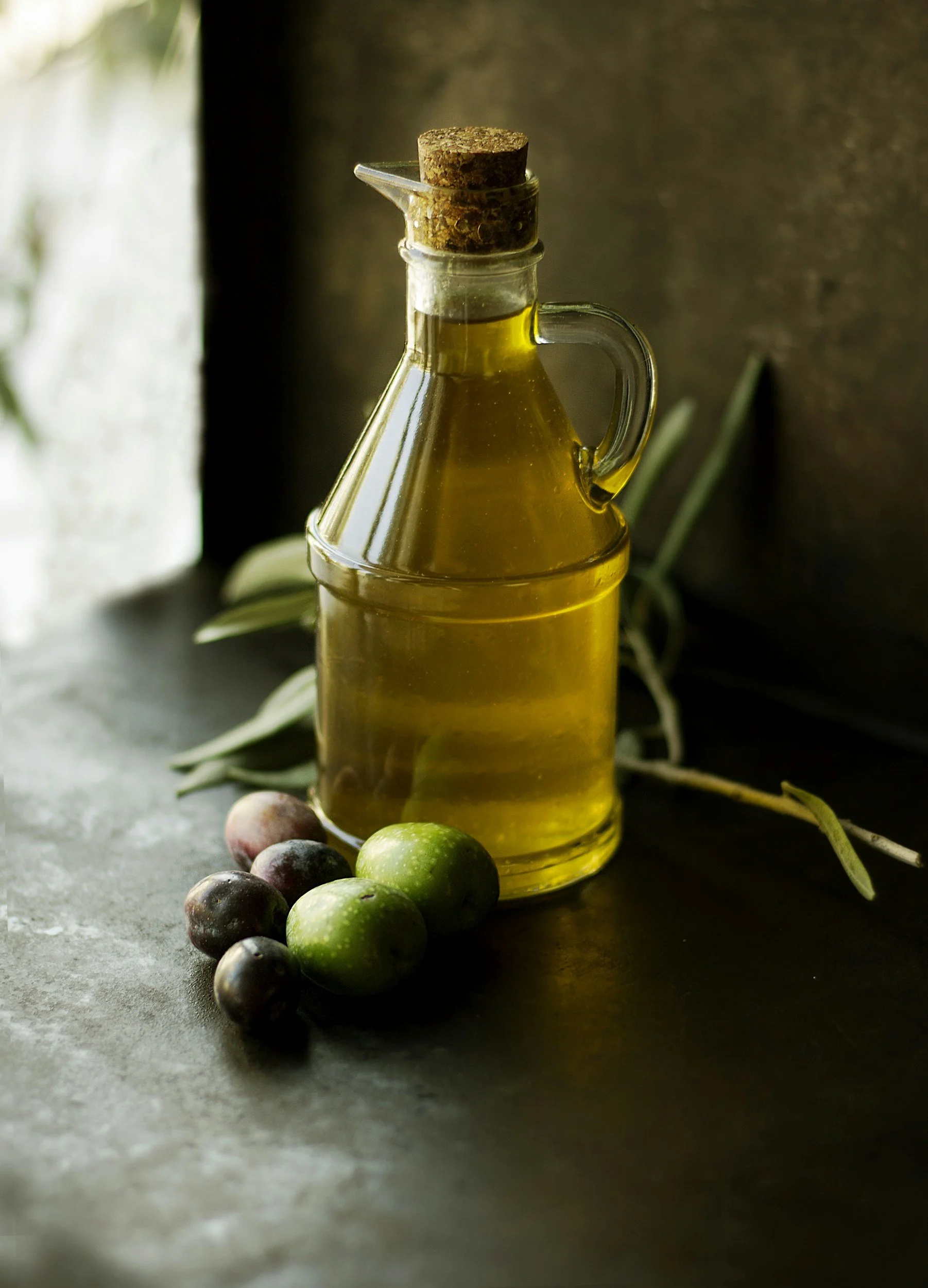
Olive oil is a great source of monounsaturated and essential omega-6 fatty acids.
Fat is fabulously healthy and is not something to be afraid of. If I’ve convinced you (in past posts) to be afraid of fat, rest assured that was never my intention. The right kinds of fats without overconsuming them are crucial to a healthy life. Fat is required for the absorption of fat-soluble vitamins - vitamins A, D, E and K. These fat-soluble vitamins not only keep our immunity and nervous systems functioning, but they are also important for healthy eyes, skin, and hair. Vitamin K keeps our blood clotting mechanisms in place. Balance, and choosing the right kinds of fats are where our focus needs to be.
https://medlineplus.gov/ency/article/002399.htm
Unfortunately, the fat cells in mammals don’t just absorb and store fat soluble vitamins and extra calories for later use. They also store fat loving chemicals. When these stray chemicals are ingested, they are oftentimes deposited in our adipose tissue. When there are body weight fluctuations, we have the potential to unintentionally dump highly toxic, stored chemicals directly into our blood stream - this is when we should be concerned. Our bodies can only handle so much toxin in our circulatory system. Although more research needs to be done to be certain, experts suspect unwanted weight gain may be due to the body’s need to store more fat-loving substances. Are we reservoirs for the chemicals that we use in our food and agriculture system? Yes, it is looking more likely that this is the case.

Human consumption of saturated fat primarily comes from obese animals that become food. Overconsumption can be a factor in human obesity and illness.
So how do we get these chemicals into our bodies to begin with and how do we get them out? There are many avenues that can be taken. The most common routes are through prescription medications, contaminated water or contaminated food.
Prescription drugs that are required to cross the blood-brain barrier to have an effect, need to be fat-soluble to get through. These drugs can accumulate in our adipose tissue. Some drugs in this category include antidepressants and anti-psychotic meds.
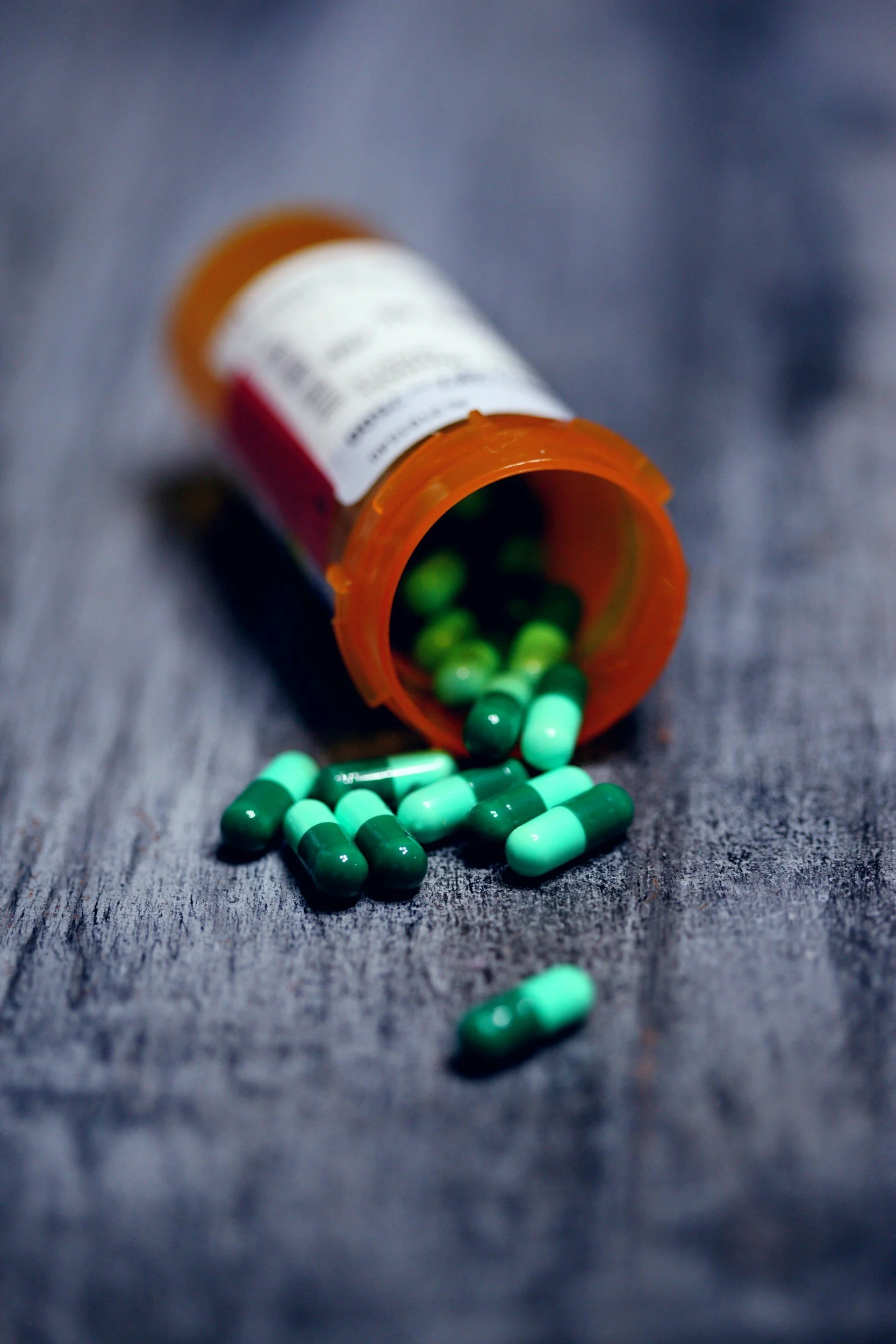
Lipophilic prescription drugs can be stored in human fat cells.
Other chemicals that contaminate ground water can make their way into our drinking water. POP’s (persistent organic pollutants) are the most common type of water contaminant. These pollutants mainly come from human activity – pesticides, industrial waste and by-products of combustion.
https://www.marinebio.org/persistent-organic-pollutants-pops-a-global-issue-a-global-response/
In food POP’s, PFA’s, DDT, HCB, and other pesticides are all important to be aware of. Since many of these chemicals have been linked to endocrine disruption and cancer we all should be concerned about their use in our food and in the food that our livestock consume. If we can store these toxins in our own fat cells, then so can the pigs, cows, fish, sheep and chickens, that we consume. Fattening these animals to increase profits is probably not doing us any good – with excess fat comes excess toxins. The US is one of the only countries to have lax laws in place when it comes to the use of pesticides and herbicides. The US also encourages weight gain in animals we slaughter, because the heavier the animal, the greater the profits. Our motto is, “the more the better.” But better for who? For the business or for the consumer? Our government seems to side with the producers rather than the consumer on most occasions. The best way to defend against toxins in our food is to try to choose foods that have the least chance for contamination. This might seem an almost impossible feat, and I must admit it isn’t easy, but purchasing food that is organic is a step in the right direction. Also, filtering water and supporting water testing in your area are important steps to take to change the system.
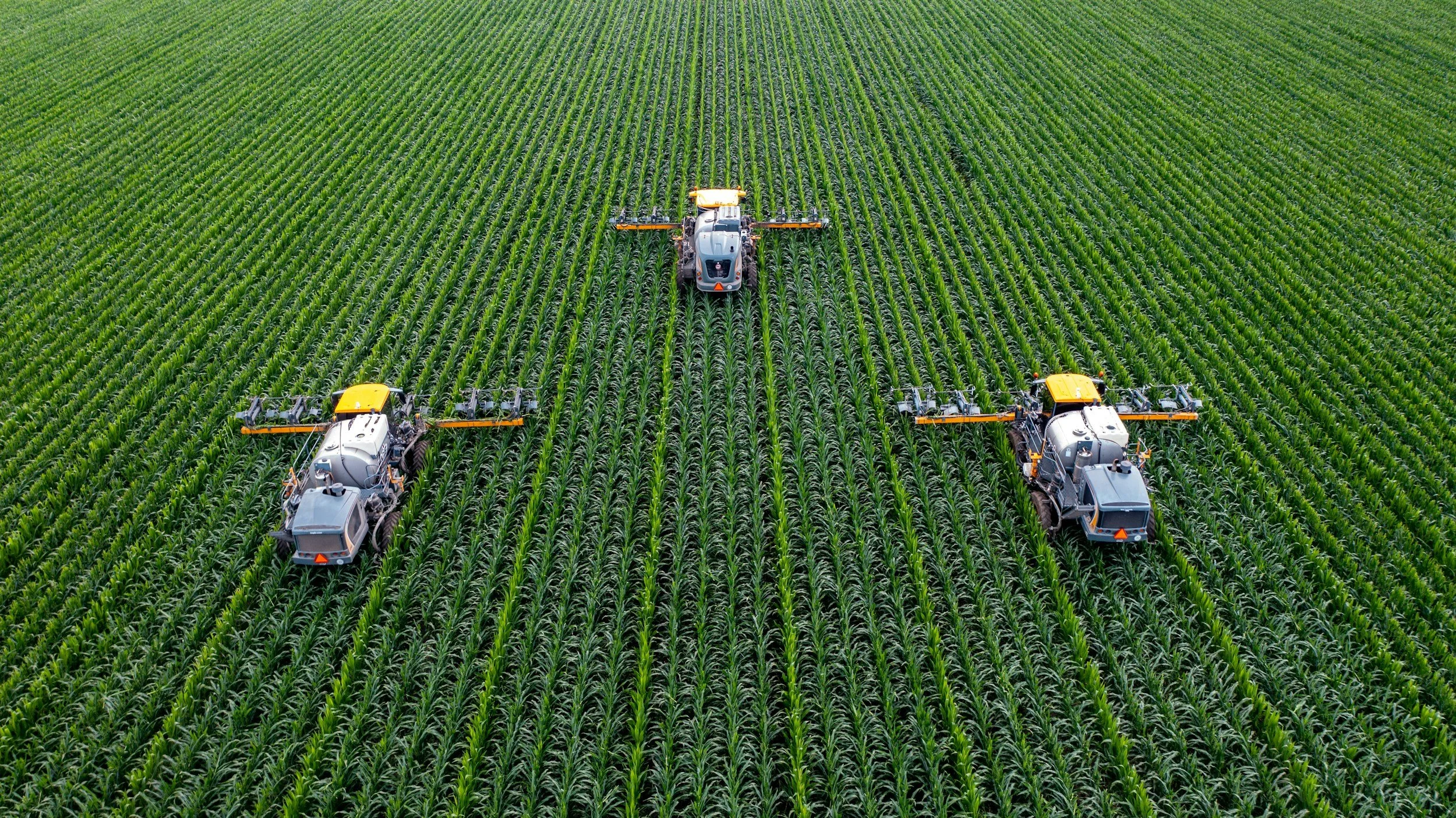
Mass spraying of pesticides on US crops is commonplace.
As we have discussed, our fat cells (adipose tissue) function primarily as a storage place for excess energy. The human body is so good at storing energy that there is really no limit. Our fat cells can expand up to 50x their original size, so gaining weight is a somewhat easy task. But fat cells serve other purposes too - they are, collectively, an active endocrine organ. Adipose tissue can communicate with other organs through hormone production, and it has a hand in controlling metabolism. Regulation of energy supply and demand is done by responding to hormones - epinephrine, irisin, cortisol, leptin or. They can also store lipophilic toxins. This is why weight loss needs to be gradual. For some people, if weight loss happens too quickly the chemicals stored in their fat cells are released too quickly into the blood stream. When this happens, we are at risk of overdosing. Yes, believe it or not, this is something that needs to be considered when taking drugs that produce quick weight loss.
https://my.clevelandclinic.org/health/body/24052-adipose-tissue-body-fat
Which chemicals can be stored in adipose tissue? Any drug, nutrient or pollutant that is fat loving or lipophilic. There is a long list of chemicals and medicines that can be added. Some of the more common fat-loving chemicals include forever chemicals – like PFA’s ( per- and polyfluoroalkyl substances.) In 2024 the Environmental Protection Agency finally acted against PFA’s and created a limit to how much could be allowed in our drinking water. But in 2025 some of these regulations were rolled back in the name of business. Forever chemicals like PFA’s have strong bonds that are hard to break and therefore persist in the environment and contaminate the land, air and water taking forever to break down, hence the name.
https://keck.usc.edu/news/usc-study-shows-how-pfas-disrupt-healthy-function-in-human-liver-cells/

We all need to be choosy when it comes to the food we put into our mouths.
Unless it is labeled organic, the food we give our farmed animals to eat has often been doused with chemicals to keep the bugs and the weeds away. Much of the conventional foods we purchase and consume from the produce aisle in the grocery store can also be contaminated with chemicals. How do we know our food is safe and nutritious? Some factors are regulated by the government, like bacterial contamination, but not all contaminants are on the list for testing. It’s almost impossible to verify that our food is safe, so most of us have blind faith. What we must remember is that when we consume overweight animals, we consume their fat cells too. While wild animals have very little fat on their bodies and therefore pass along limited adipose tissue and calories to humans, farmed animals are the opposite. A fattened animal can pass along a lot of extra calories in the form of fat.
https://www.mayoclinic.org/diseases-conditions/heart-disease/expert-answers/omega-6/faq-20058172
https://www.sciencedirect.com/science/article/pii/S221475002400163X
So, who regulates these chemicals and why are there still dangerous chemicals in use today? The Environmental Protection Agency was created in 1970, shortly after author, Rachel Carson wrote and published the book, Silent Spring in 1962. In this book Rachel exposed to the world the toxins used in our food production that should be banned. As a result, some dangerous chemicals, such as, DDT were banned and no longer allowed to be used. Laws were enacted all over the world to regulate harmful chemicals used in food production and to reduce our exposure. However, the EPA in recent years has backslid on keeping these chemicals out of our food production system in the United States. Some recent studies have shown that the United States Department of Environment Protection has allowed dangerous chemicals to still be used – chemicals that have been banned for years in Europe and many other countries. According to an investigation done by Brookings, the United States still uses over 70 pesticides that have been banned in the European Union. Why has the European Union phased out these chemicals? Studies have shown that they can be hard to break down and are considered forever chemicals. They can also increase the likelihood of being diagnosed with cancer. Some are endocrine disruptors. Even more concerning, the United States uses 26 and 40 million pounds of pesticides annually that Brazil and China have either discontinued or are phasing out. India is phasing out or considering banning 27 hazardous pesticides. But the United States is looking the other way in the name of keeping the business running no matter the stakes.
https://www.environmentalprotectionnetwork.org/20251209_pfas-rollback/

It is the job of the Environmental Protection Agency (EPA) to ensure that our water, air and land is safe and free from toxins. Citizens need to insist they do their jobs.
Worse, many of these chemicals that have been shown to have negative effects on human health and can be stored in our fat cells, indefinitely. Chemicals such as, organochlorines (DDT,) fungicides (like triflumizone) and insecticides (like neonicotinoids and pyrethroids.) Some studies have shown that many of these chemicals can significantly encourage obesity in the general population. Interfering in our metabolism, endocrine system and nervous system. Some have had a negative effect on reproduction and child development.
https://www.nature.com/articles/s41467-021-25384-y
With so many negative health outcomes for humans, why has the EPA not banned or considered banning these dangerous chemicals? The best answer to this question is that there haven’t been enough lawsuits against those who use them and the industry will typically not ban these chemicals on their own. In fact, more chemicals in the past few decades have been banned by the agricultural business than by the agency that is responsible for keeping us healthy, the EPA. Profits over health seems to be the guiding light.
What are we to do in a world and country that may not prevent the exposure risk we currently have to harmful chemicals? Oftentimes, we must take our own health and our own exposure into to our own hands. Avoiding the foods that give us the most exposure can create a safer world for us and our loved ones.
Our own adipose tissue is not only toxic when it accumulates dangerous chemicals - it can also be dangerous when it comes to the impact it has on serum cholesterol level and heart attack risk. When humans decide not to ban dangerous chemicals used on our food and the food that’s grown to feed our farmed animals, and we decide that we will keep animals from exercising and force them to become obese themselves at a quick rate, and when we decide that it is okay to eat meat and fish that have a high content of fat, we are on a slippery slope when it comes to our health. Although not every fish and meat eater will die of cancer, or find that these foods encourage obesity, or will experience endocrine system malfunctions, why would we choose to increase our chances of being diagnosed? We all need to be part of the solution. We all need to tell the government that we are not okay with the status quo. The only way things will change is when we demand better for all of us – better for the animals, for us, for our children and for our grandchildren. The people have the power and always have. Vote for those representatives who will do the most, good. Then be sure to purchase only foods that are free of chemicals, such as organic fruits, vegetables, nuts and seeds. Only then will we be sending a message to the industry that we have had enough.