

16. Where Does Your Down Come From?
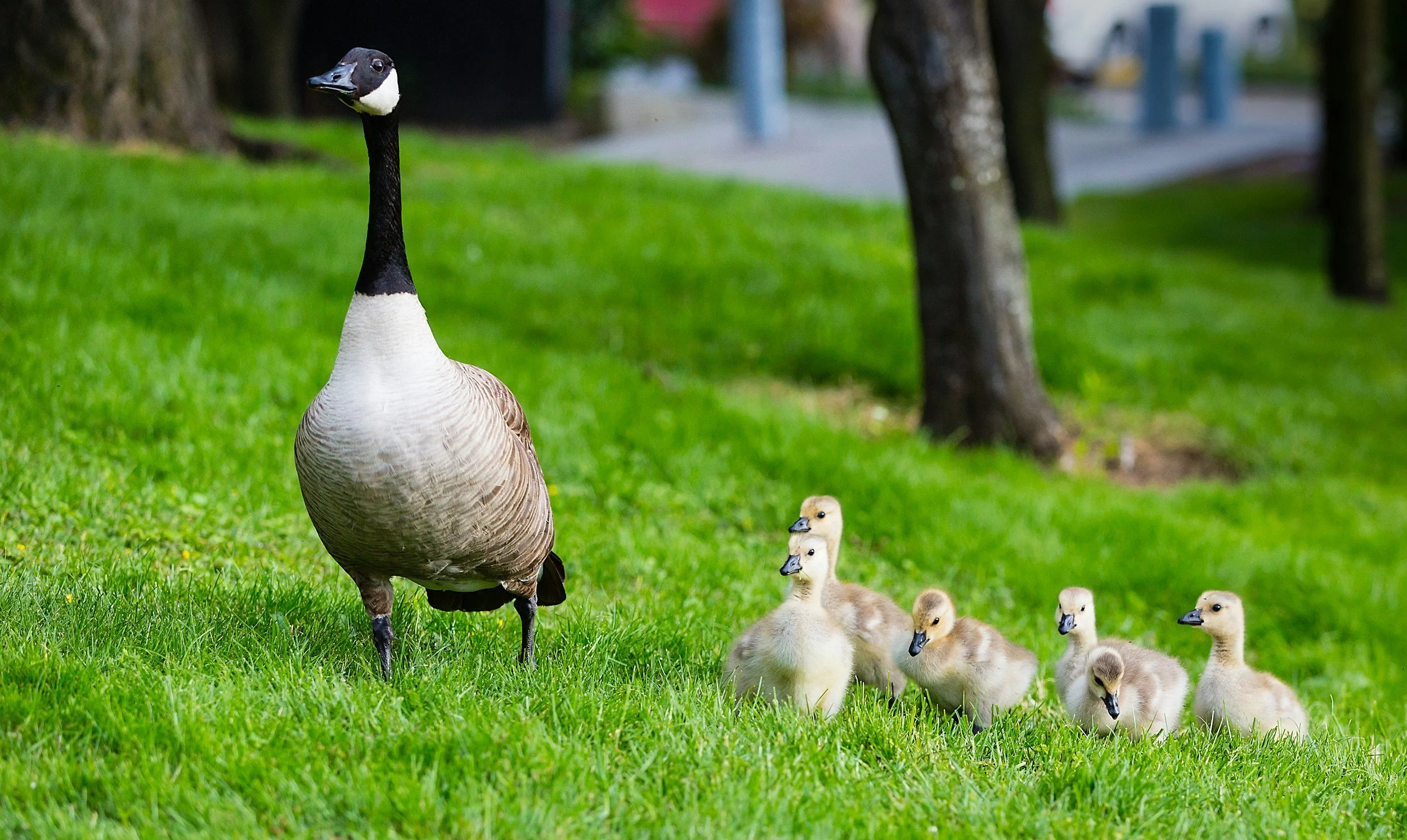
Canada Geese are one species used to harvest down feathers.
Using feathers to stuff winter clothing, especially coats and gloves is something that humans have been doing for centuries. A fluffy down comforter keeps us warm on a cold winter’s night. Our need to stay warm and cozy with high quality products like down, gives this industry a constant and consistent customer. Coats and winter clothing are so convenient to humans that most of us have no idea where the feathers for the stuffing came from, nor do we care to find out because it simply does not matter. I would bet that most people don’t know if their jacket is stuffed with duck or goose down, although oftentimes you will find this information on the tag. It is so easy to allow other people to do the hard work of feeding and taking care of these animals and then killing them and harvesting their feathers. While all we need to do is show up at a store or shop on our computers and pay. However, the animals suffer in silence without anybody knowing. Most of us don’t think twice. But what we buy should matter to all of us – in the clothing store and in the grocery store. We share this world with lots of other species. How we treat them should matter. Where these products come from should matter. And how the industry operates should matter. Why should it matter? Because all of us are stewards of this place called earth and we are all connected. We are also shepherds of the many flocks that are under our control and those that are not but still share our land. We cannot call ourselves kind humans if we aren’t trying our hardest to make the world a better place – which includes learning about where your clothing comes from and how it is made. And showing decency and humanity to all the other animals who live here too.
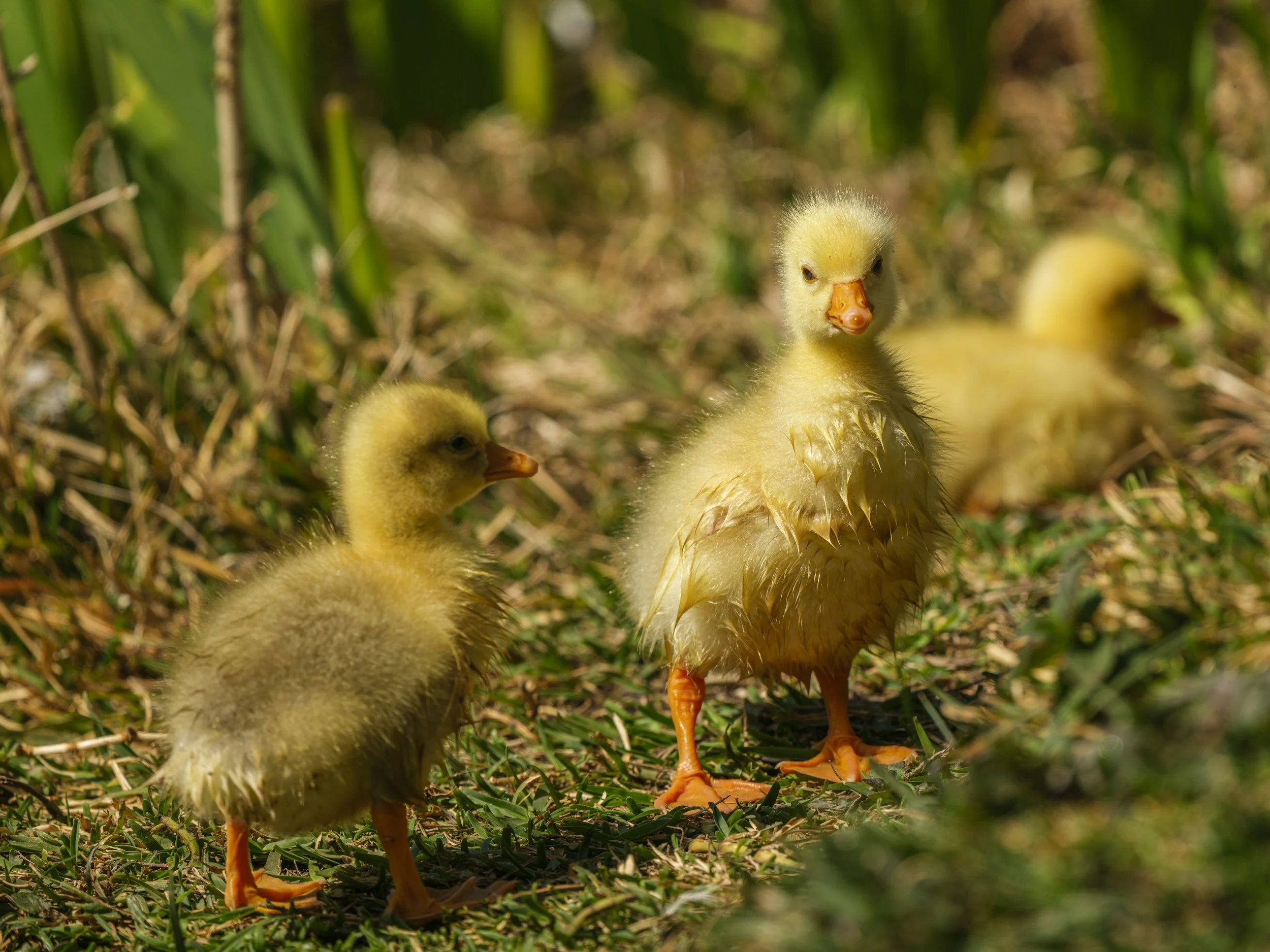
Most feathered animals only live 7-10 weeks. They are just babies when humans decide they have existed long enough.
Although it is an uncomfortable truth, down is a by-product of the slaughter industry. Some may think that feathers are painlessly plucked from happy animals, but this is not the case, not even close. Ducks and geese are stripped of their feathers at the time of their death. Although on some occasions they can be plucked while still living, the process is typically painful. Ducks and geese don’t just give their flesh and their feathers to humans; they also give their exploding livers in the form of a human delicacy called foie gras. Captive birds are force-fed to make foie gras. Due to the diet they consume, their livers become diseased and literally turn to fat. Processing this fatty liver organ and consuming it, is something many humans delight in. But is it necessary, since this act of forceful feeding has been considered a form of animal torture or cruelty? Some countries have banned this process altogether, under animal ethics reforms. However, many countries still produce foie gras including France, Hungary, Poland, Israel, Canada and the United States.
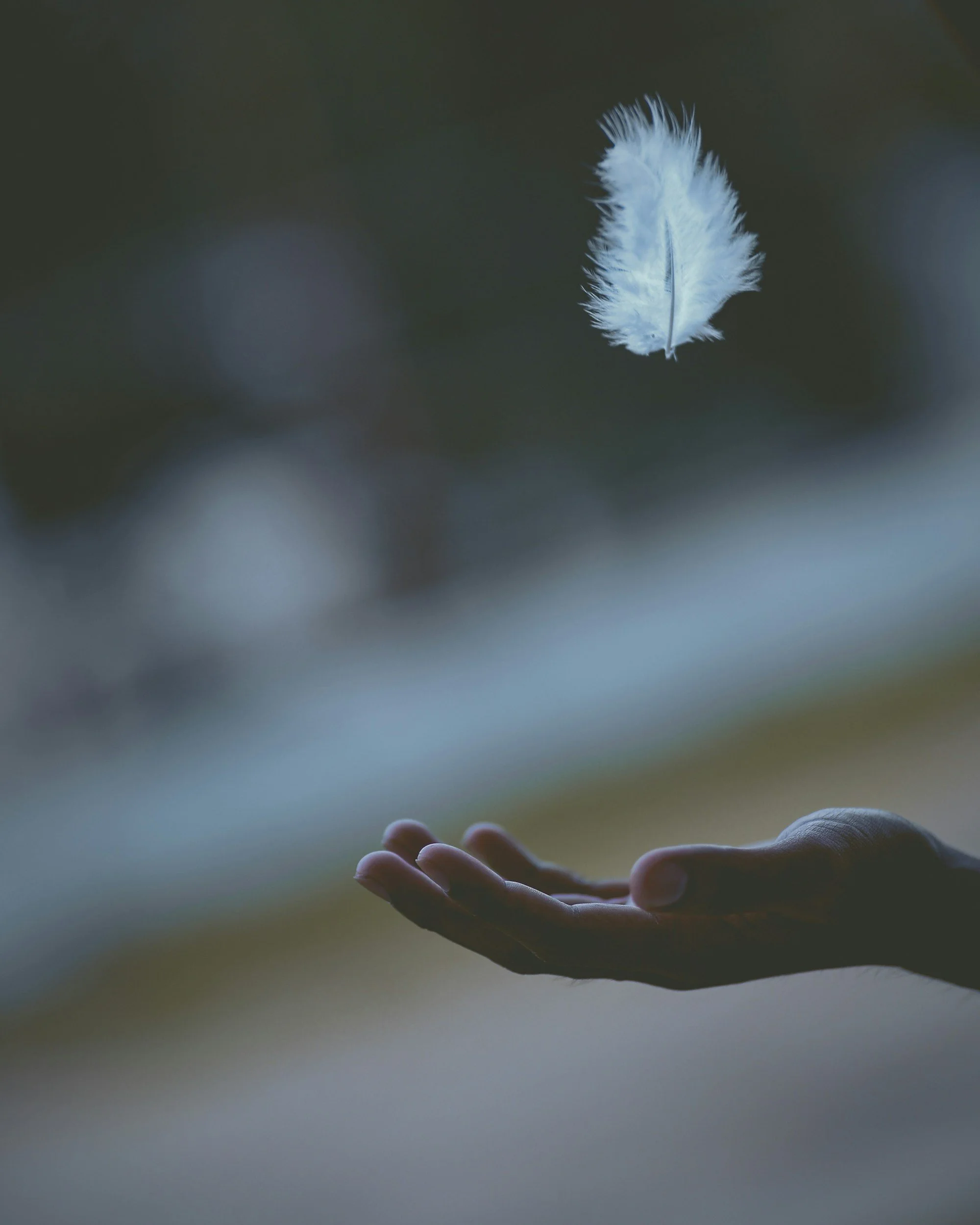
Down is a kind of feather that provides ultimate warmth.
https://weanimals.org/project/inside-the-foie-gras-industry/
It is fair to say that most of these birds are housed in factory farms and have a life that contains no joy or satisfaction. Although there are some manufacturers that have demanded some form of welfare for the animals, they still are killed at a very young age, most as young as 7-10 weeks old. This is an industry that only advertises the product, but not how the animal lived and what threats to human health these factory farms can create. Not only is consuming them risky but housing them so closely together is risky, too. In the past and the present, this is how infectious diseases have flourished and spread.
We have all heard of the bird flu. The bird flu has been spreading among birds for decades, but it is especially contagious when birds are housed on farms without much space to move – it can infect all the animals that are nearby. The worry is that the bird flu, has the potential to spread and mutate to humans. Humans can now catch this contagious disease when they work near infected animals. Factory farms of any kind are drivers of bird flu since the spread takes off like a wildfire. Hundreds of millions of birds have been culled in the United States for the sole purpose of preventing the spread of infectious disease – a total waste of life and all due to the way in which humans control other species. This virus has crossed over and has more recently been spread to cattle. Hundreds of cattle have been euthanized or culled to prevent the spread. Cattle can now spread this virus to each other and have infected humans. Over 600 cattle herds have been infected and the spread hasn’t been halted. Pigs have also become a vector for this highly contagious disease. Once humans can infect humans, we will be in a very dark place.
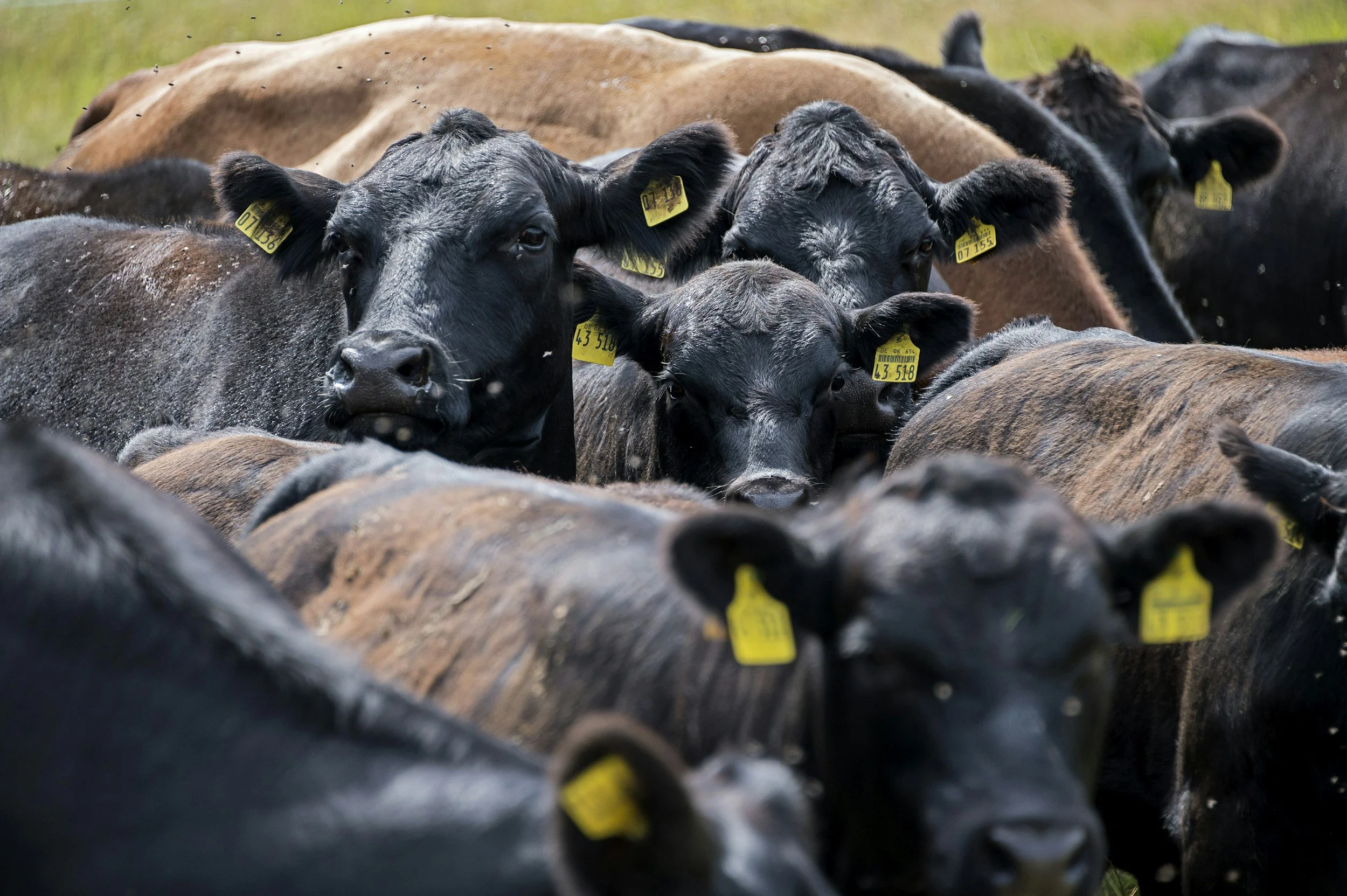
Bird Flu began with birds but is now spreading across the United States through cattle herds.
https://publichealth.jhu.edu/2024/h5n1-bird-flu-in-dairy-cows-poultry-and-humans
https://www.cdc.gov/bird-flu/situation-summary/index.html
Animals housed in close quarters to others, no matter the species creates a perfect storm for infectious diseases to spread quickly. We have known this for quite some time. So, then why do humans allow such risky behavior? To be honest, it makes no sense at all. It seems that squeezing any perceived waste from this industry is the goal, the risks be damned. But there is one thing humans can do to push the industry to become more responsible and that is to not purchase the product. If we decide this is not aligned with what we believe to be a responsible industry, then we should deny them their paycheck. It is really that simple.
The great thing about living today is that there are alternatives to just about everything that has been made from animal skins, fur, feathers and hair. An alternative to down filled warmth is just one click away. If you search for alternatives to down on your computer, you will find that there are many and they are just as warm and soft as duck or goose down feathers. Some can be made from recycled polyester, cotton, gel fiber or bamboo. PrimaLoft is a brand that is often used in comforters and clothing. Although it may not be ideal since it is made from polyester, what sets it apart is that PrimaLoft is typically waterproof and does not get altered if it gets wet. This fiber was developed in the 1980’s for United States soldiers that needed warmth and that was guaranteed to be fine in wet conditions.
The saddest part of the down industry is that most of the ducks and geese that are slaughtered each year most likely would not be killed if humans had no need for their feathers. Imagine for a minute if we killed dogs or cats at 10 weeks old and kept them in factory farms that housed hundreds or thousands of animals. Imagine if instead of farming them for their feathers, we allowed them to live a life worth living. Only then will we be living a life that is genuinely kind, respectful and loving. Knowing where your clothing, food and household items come from and caring about how it was made and who was involved is a huge step in taking responsibility for our lives and the lives of others. Nobody, not even other species should be subjected to a life of horrors. Humans have the power to change the world for the better, we all have a stake in the direction we go.