

9. Hydration - One of the Pillars of Health
Water is essential for human life.
The need to drink water is not something most people think about. When we become thirsty, that’s usually when we grab a drink. But when we feel thirsty our bodies are telling us that we are already slightly dehydrated and hydration has become a necessity. Sometimes we are unable to drink when we are working, traveling, or someplace where drinks are not readily available. And other times we simply forget to bring it with us. What most of us don’t realize is that if we prioritized hydrating ourselves, often, we could stave off many side effects of this often, ignored malady. So, what happens to our bodies when we are chronically dehydrated? Let’s dive in.
The human adult body is made up of approximately 55-60% water. Children are close to 75% water. However, our muscles are a whopping 75-80%, so are many other organs, such as the brain and heart. So, you might have guessed correctly that when we aren’t getting enough water our muscles notice this deficit first. Cramping and pain may be noticeable. Confusion can set in because when the brain becomes dehydrated it doesn’t work well. Some of the main functions of water in the human body include: 1) biochemical metabolism and a medium for chemical and enzymatic reactions to occur; 2) the medium in which blood is transported – blood not only carries nutrients to cells for the continuation of life, but it also carries toxic substances and waste out; and 3) water helps to control our bodily temperature homeostasis. The water in our bodies can cool us when we are hot through the creation of sweat and can warm us when we are cold by creating energy in the form of heat. Water also helps with the structure of cells in the human body and mechanical function, such as the fluid in joints that lubricate and allow range of motion. Water is essential for metabolism and digestion and is the medium that many nutrients use to be dissolved in, like protein. When some nutrients don’t have enough water for dissolving, they can become concentrated. The kidneys filter our blood and are responsible for maintaining hydration by regulating how much water is excreted. They regulate nutrients, minerals and waste, too. When too much is concentrated and not enough removed properly by the kidneys, urinary tract infections and/or kidney stones can result. If you know anyone who has had to pass a kidney stone, you know that the pain involved has been comparable to childbirth. But this is not where it ends. The brain and heart can malfunction as well.
Water is essential for human life. Chronic dehydration can be a risk factor for more serious illness.
https://pubmed.ncbi.nlm.nih.gov/31405072/
Older adults lose the ability to feel the sensation of thirst and the ability to concentrate urine – both, making them particularly vulnerable to becoming dehydrated – less in and more out is a recipe for disaster. Cell damage follows if fluids are not consumed in time. Since our muscle mass is a reservoir for water it is imperative that we hang on to as much as we can as we age. Muscle strength is a significant predictor of muscle function and vitality. It can also be a gage on our hydration status. As we age, muscle tends to disappear, unless we are vigilant at keeping our bodies exercised and strong. Use it or lose it, is a phrase that can accurately describe the state of our muscle mass. And this is why exercise is crucial as we age.

Exercise is as important as hydration in maintaining muscle mass.
What does water have to do with pain relief? Since water creates the lubrication for joints, it has a role to play in preventing joint pain. As an endurance athlete I usually know when I need water or am becoming dehydrated. My muscles and joints begin to ache and I become unusually sore. But if I go too long without proper water replenishment, I will eventually have difficulty moving at all. Stiffness quickly sets in. It’s best to not get to this point. It is hard to recover once you have reached this point. Dehydration can happen quickly, but can take a while to recover from. If not extremely dehydrated, soon after I consume fluids the pain almost always disappears. Chronic dehydration is not something our bodies tolerate well. Since dehydration can cause cell dysfunction and cell death, it is important to make hydration a part of daily living. If we all prioritized our fluid intake, we might feel a lot better in the long run, we may be able to stave off debilitating physical decline, and may even be able to get away with using a lot less pain relief.
So, how much water do we need daily? The baseline is often six to eight 8-ounce glasses a day. I like to take in a third to half of my fluid needs before noon. If you are someone who needs to wake up at night to go to the restroom, this schedule might serve you well, too. Fluids can come in many forms. Foods that have a high-water content like watermelon can be included and so can foods like soups and smoothies. Tea and coffee are considered fluids just like water. However, I am a big fan of at least half of your hydration coming from plain old water. And if you are an exerciser or are often in high temperature environments then you may need to add more fluids to your daily total. Of course, some people sweat more than others and some people urinate more than others. But on average most people will lose 0.5 to 2 liters of water per hour through sweat when they are overheated or exercising. These fluid needs are usually in addition to the six to eight glasses recommended, daily. Replacing these fluids that are lost is crucial to keeping your body hydrated and healthy.
Underhydration and overhydration are two ends of an issue that are often related. When someone is moderately to severely dehydrated, water can give us a little boost. But too much water without electrolytes, called water toxicity, can sometimes be worse than the dehydration itself. When too much water is consumed while in a state of dehydration, and electrolytes are not part of your hydration plan, you risk becoming over-hydrated. Yes, water can be toxic and deadly when consuming too much in a short amount of time. This over-hydration creates a system that has diluted the essential electrolytes in our blood. When the body’s blood does not have enough electrolytes, blood pressure can be hard to maintain - sodium and potassium are involved in keeping it at just the right level. Kidney function is also important in maintaining acceptable blood pressure levels. So where do we get sodium and potassium? Sports and hydration drinks usually have these electrolytes in them. Other electrolytes include magnesium and chloride. Sports drinks are a great way to hydrate, especially when you are on the go. But foods can provide these electrolytes, too. I prefer foods to premade drinks because food is what our bodies want and prefer. Foods like bananas and seeds and nuts provide magnesium. Citrus fruits, bananas, and sweet potatoes can provide potassium. although you can find potassium in pretty much most fruits and vegetables. Salt can provide sodium and chloride. During endurance events you may notice that there are oftentimes rest and rehydrating stations along the route. And you may also notice that oranges and bananas are a mainstay, along with pretzels or small individual bags of potato chips. These prepackaged foods not only provide some extra calories, but they also provide crucial electrolytes. These foods can provide essential nutrients that allow athletes to keep going and to maintain a state of hydration, energy and a state of normal blood pressure.
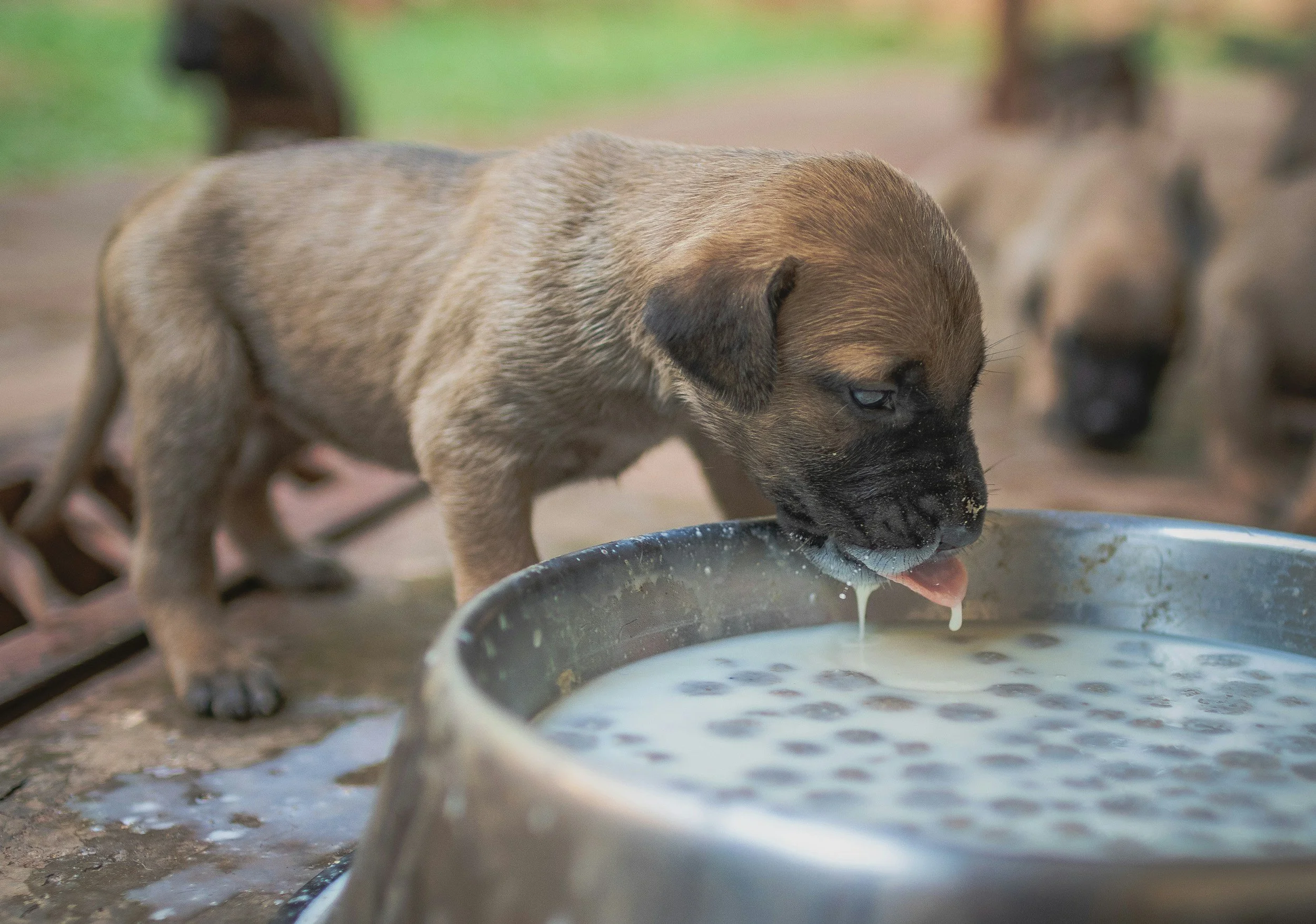
Pets need to maintain their hydration too.
People are not the only beings on earth who need to replenish their water stores. Pets can become dehydrated as well. Although most dogs and cats do not sweat, they can get overheated easily because they can’t sweat to cool themselves off. It is often recommended that dogs stay out of the heat and sun when the temperature has reached 90 degrees F. Dogs have been known to pass out if they are exposed to high heats for extended periods of time or if they are exercising in temperatures higher than 90 degrees F.
Although anyone can fall victim to dehydration, it is important to remember that infants, children, and the elderly are particularly vulnerable. Keeping your loved ones hydrated is not only important for their health and happiness, but also for staying in a physical state of function. And for reducing the body’s feelings of pain and confusion. Hydration doesn’t need to be complicated but needs to be a part of our regular activities of daily living.
Dehydration - Symptoms & causes - Mayo Clinic
https://pmc.ncbi.nlm.nih.gov/articles/PMC8336541/
https://www.merckmanuals.com/home/hormonal-and-metabolic-disorders/water-balance/dehydration