

18. Bacteria, Probiotics, and How To Maintain a Healthy Microbiome
Food variety is required to sustain life. We all want to be sure we are consuming what our bodies need and avoid consuming what we don’t need. Sometimes we have no idea when we have eaten tainted food that has caused us illness. Other times, we can pinpoint the exact food that kept us up all night and running to the bathroom. We know that bacteria and viruses can grow in food, especially if the food is left out in room temperature, or if it hasn’t been cooked properly. Total prevention is almost impossible, but if we are careful, we can prevent most foodborne illnesses.
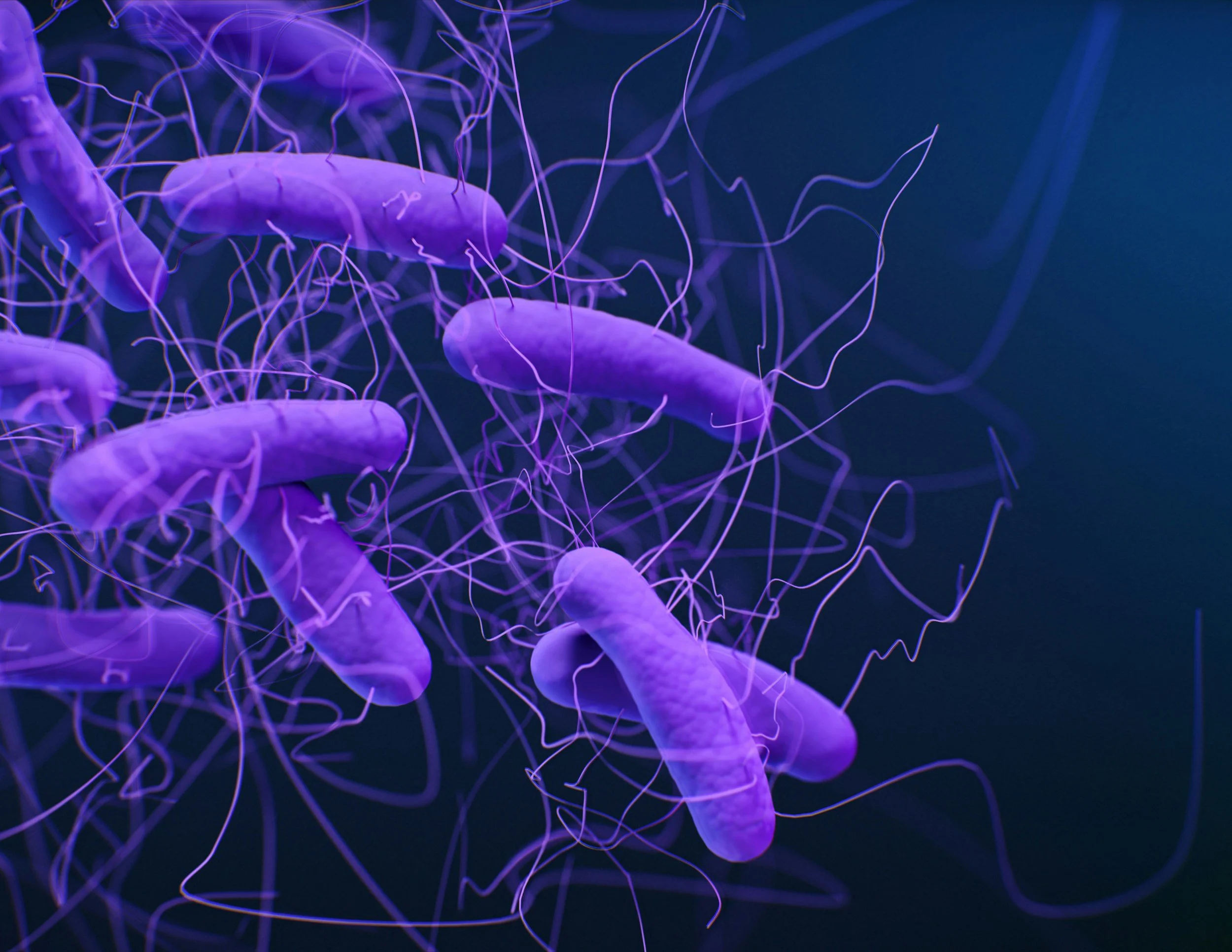
Increasing good bacteria and decreasing bad bacteria in our GI tract is key to preventing many diseases linked to our microbiome.
How do germs get into our food to begin with? Let us count the ways. Food can become contaminated in the field where fertilizer is applied, in the processing plant, in the process of packaging the food, and in our homes. There are so many ways our food can get contaminated. Safe handling is so important and is required under the law. However, human error can be a factor.

Foods that are high in protein and have a high moisture content are a perfect breeding ground for pathogenic bacteria.
Luckily, our food system is relatively safe – there are lots of checkpoints put into place that prevent germs from proliferating. We often pasteurize (or flash heat) drinks like apple cider, dairy milk, and orange juice to kill the germs that come with processing these drinks. When these types of foods are consumed unpasteurized, the risk of foodborne illness goes up. There are so many points in the process that can introduce pathogenic microorganisms. Bad bacteria and viruses have always looked for a place to hide and to thrive. What kinds of pathogenic microorganisms are found in food? Norovirus, E. Coli, Salmonella, Campylobacter and Listeria are some of the most common types. In the United States alone the Centers for Disease Control estimate that there are typically 48 million cases of foodborne illness every single year. Although we try our best to be safe, it is clear we could be safer to prevent this many illnesses.
https://www.fsis.usda.gov/food-safety/foodborne-illness-and-disease
Keeping food safe includes keeping it stored at the right temperature to prevent microorganisms from growing. Specific temperature ranges can make a huge difference. The danger zone which is between 40 degrees F to 140 degrees F, is the temperature range that most infectious germs grow rapidly. Refrigeration, freezing, and thoroughly cooking high risk foods is essential. Which foods have the greatest chance of bacterial contamination? The foods that are high in protein and high in moisture – meat, eggs, dairy, sauces made from cheese, fish, seafood, moisture holding grains like pasta, rice and bread. Of course, all foods have the potential to be dangerous, but some are safer at room temperatures, especially those foods that contain very little moisture, such as seeds and nuts.
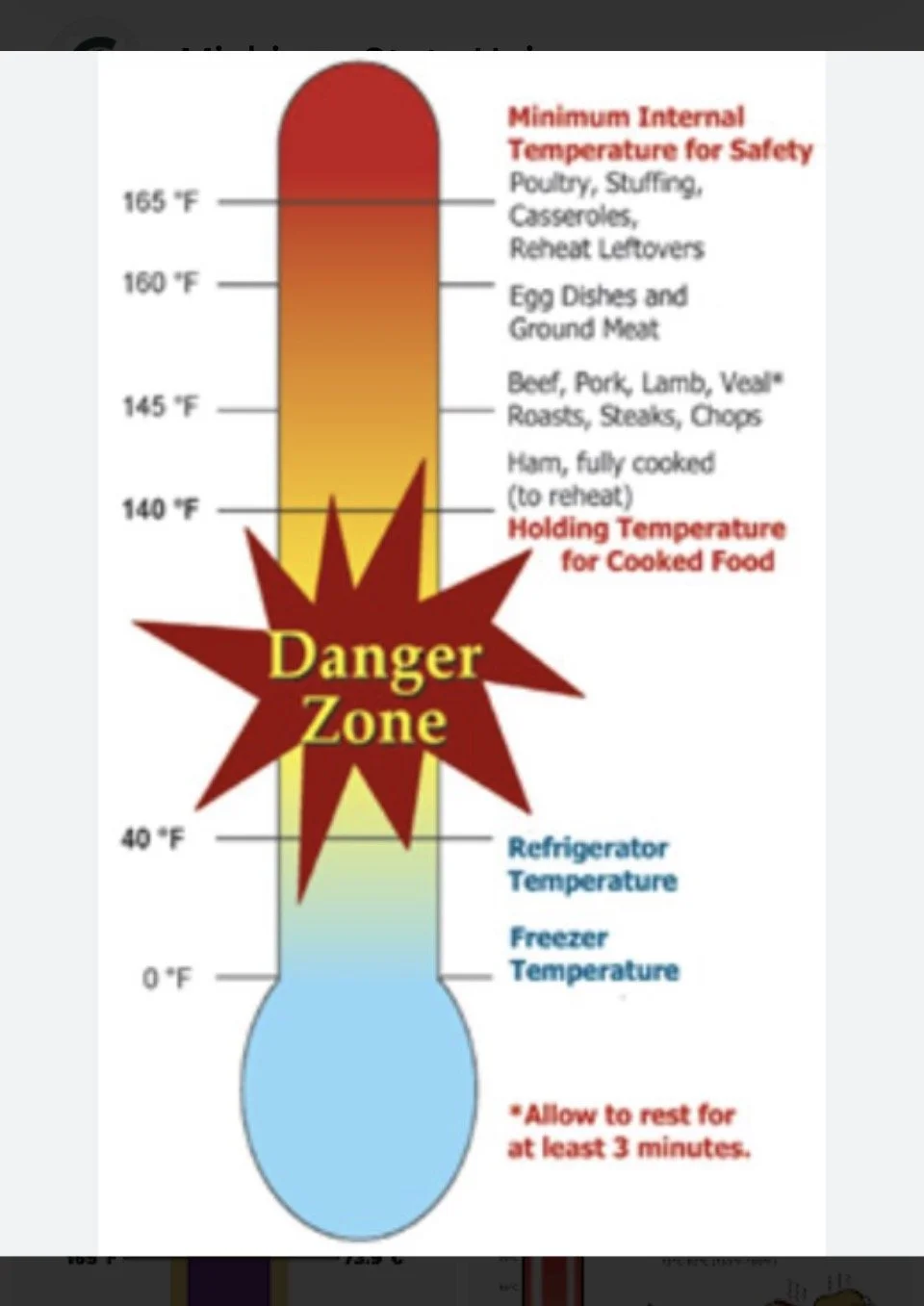
The temperature that we keep our food at determines whether bacteria can grow quickly, or not.
How do we protect ourselves from these pathogenic microorganisms if we are storing our food at the right temperatures? Washing fresh fruit and vegetables along with washing our hands, often, can go a long way in removing potential pathogens. The reality is that bad bacteria, the kind that can make us sick, will get through. Protecting ourselves includes preparing food properly and taking care of our gut health. We need to be doing our best to build up good, healthy bacteria in our intestine. Having lots of good and preventing the proliferation of the bad not only keep our guts safe and healthy, but it can also prevent diseases that begin in the intestine. We thrive on having a robust microbiome. Decreasing your risk for introducing bad bacteria and increasing the consumption of good bacteria is ideal. We already know about the bad – let’s talk about the good bacteria that keep our gastrointestinal tracts healthy and resilient.
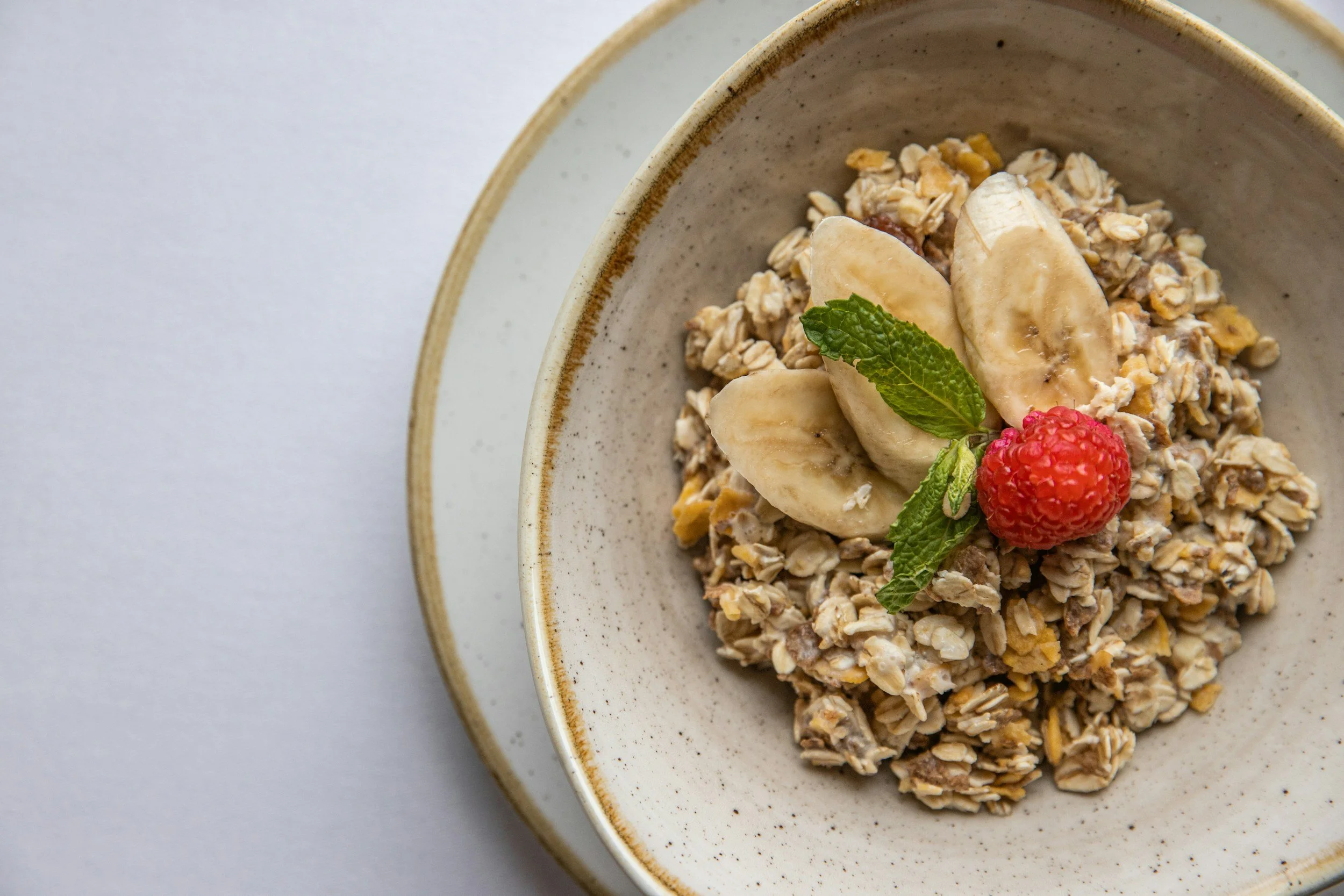
Prebiotic foods such as bananas and oatmeal feed the good bacteria in our GI tract.
Where do we get healthy bacteria? Some of the most common, good bacteria, that thrive in our GI tracts include Acidophilus, Lactobacillus genus and Bifidobacterium genus. Probiotics are live bacteria and yeasts that are healthy for the human gut microbiome. Probiotics can be found in certain foods but can also be found in supplements that can be purchased at a drug store. Consuming probiotics is essential for human health. Some foods that include probiotics are fermented foods such as, sauerkraut, kefir, yogurt and kimchi.
https://health.clevelandclinic.org/prebiotics-vs-probiotics-whats-the-difference
Antibiotics are essential for fighting bacterial infections, but we must keep in mind, they can wipe out the good, protective bacteria, as well.
Often when humans are prescribed antibiotics to fight infections these powerful drugs can kill both the bad and good bacteria in our GI tract. When the round of medication is complete, oftentimes our guts have paid the price. Making it a priority to recolonize our microbiomes with good bacteria on a continual basis should be one of our nutritional goals. Even if probiotics are introduced immediately, it’s important to remember that these good bacteria thrive on undigested fiber in the GI tract. If we don’t feed the good bacteria, then they will have trouble surviving. A varied and balanced diet is crucial to maintaining a healthy microbiome.
Prebiotics are high fiber, nondigestible foods necessary in the human diet to feed the good GI microorganisms. Some prebiotic foods include onions, garlic, bananas, sweet potatoes, and oatmeal, just to name a few. When we consume prebiotic foods regularly, the microbiome of good bacteria thrives. When the good bacteria thrive, it leaves little room for the bad ones to thrive. This protects us from dysfunction.
Gut dysfunction, or dysbiosis, has been linked to Inflammatory Bowel Disease, Colon Cancer, Irritable Bowel Syndrome, Small Intestinal Bacterial Overgrowth, autoimmune disorders such as, Type I Diabetes, Rheumatoid arthritis and Lupus, as well as dementia including Alzheimer’s Disease. Protecting and maintaining good bacteria in our GI tract should be a priority for all of us.
As you can see, a balanced diet - including whole grains, fresh fruits and vegetables - is not only beneficial for humans because these foods contain vitamins, and minerals, but they also contain phytochemicals, antioxidants and fiber. This fiber can be beneficial to us and to the microorganisms in our gut. So many diseases can be combatted and suffering reduced simply by consuming the right kinds of food. Choosing to reduce animal sourced foods is another step in reducing the risk for contaminated food and subsequent infection risk for foodborne illness. It turns out what’s good for us (reducing animal-based food products and increasing plant-based foods) also happens to be good for the animal kingdom. Reducing suffering in humans and in animals should always be front and center of any diet plan.